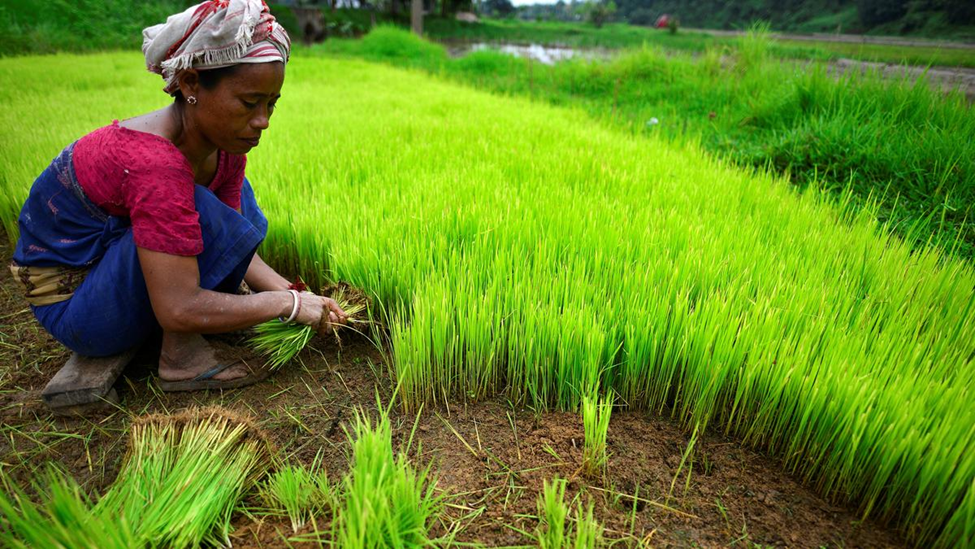
Women have long played a crucial role in India’s agricultural sector, contributing significantly to food production, farm management and rural livelihoods. Despite their immense contribution, their role has often remained under-recognized in policy discussions and public perception. Today, the growing participation of women in agriculture is reshaping the rural economy and highlighting the need for stronger support systems for women farmers across the country.
India’s agricultural sector depends heavily on the participation of women, particularly in rural areas where farming remains the primary source of livelihood. From sowing seeds and transplanting crops to harvesting and post-harvest processing, women are actively involved in nearly every stage of agricultural production.
Rising Role of Women in Agriculture
In recent years, the participation of women in agriculture has increased significantly. Studies show that women constitute a large portion of India’s agricultural workforce, with estimates suggesting that more than 64% of female workers are engaged in agricultural activities.
This trend is often described as the “feminisation of agriculture,” a phenomenon driven partly by migration of men to urban areas for non-farm employment. As men move to cities in search of better economic opportunities, women increasingly take responsibility for farm management and agricultural decision-making.
In many rural households, women are not only farmers but also caretakers of livestock, managers of household resources and key contributors to family income.
Invisible Labour in Farming
Despite their extensive involvement in agricultural activities, women farmers often remain invisible in official records and agricultural policy frameworks. Much of the work performed by women is categorized as unpaid family labour rather than formal employment.
In addition to farm work, women also handle domestic responsibilities such as cooking, childcare and household management. This double burden of productive and reproductive work often goes unnoticed in economic statistics.
Research indicates that women perform a significant portion of farming tasks, including planting, weeding, harvesting and food processing. In some cases, women are responsible for up to 70% of food production activities in rural areas.
However, the recognition of women as independent farmers remains limited.
Limited Access to Land and Resources
One of the major challenges faced by women farmers in India is the lack of access to land ownership. While women contribute significantly to farming activities, only a small percentage of agricultural land is owned by women.
Without land titles in their name, women often face difficulties accessing credit, government subsidies and agricultural support programs. Land ownership is frequently a key requirement for institutional loans, insurance coverage and participation in certain government schemes.
The absence of formal recognition as farmers also limits women’s participation in decision-making bodies such as farmer cooperatives and agricultural organisations.
Importance of Women Farmers for Food Security
Women farmers play a crucial role in ensuring food security for millions of households across India. Their work in crop cultivation, livestock management and food processing contributes significantly to rural economies.
Experts argue that empowering women farmers can lead to improved agricultural productivity and better nutrition outcomes. When women gain access to resources such as credit, training and modern agricultural technology, the overall efficiency of farming systems improves.
Furthermore, women often prioritize household food security and nutritional diversity when making agricultural decisions. This makes their role particularly important in addressing issues related to malnutrition and rural poverty.
Need for Policy Support
Recognizing the contributions of women farmers is essential for building a more inclusive and resilient agricultural system. Policy interventions aimed at improving women’s access to land rights, financial services and training opportunities can significantly strengthen rural development.
Programs that promote women’s participation in farmer producer organisations (FPOs), self-help groups and agricultural cooperatives have shown promising results in several regions.
Skill development programs, digital agriculture initiatives and access to modern farming technologies can also help women farmers improve productivity and income levels.
Ensuring equal access to markets, credit facilities and extension services will be crucial for enabling women to fully participate in the agricultural economy.
Strengthening the Future of Agriculture
The growing presence of women in agriculture reflects both a challenge and an opportunity. While it highlights structural shifts in rural employment, it also demonstrates the resilience and determination of rural women who continue to sustain India’s agricultural economy.
Experts believe that empowering women farmers could unlock significant economic potential and strengthen food systems across the country.
Investing in women’s education, training and leadership in agriculture can contribute to more sustainable farming practices, improved rural livelihoods and stronger agricultural productivity.
Recognizing women farmers not just as workers but as key stakeholders in the agricultural sector will be critical for building a more inclusive future for Indian agriculture.
As India continues to modernize its agricultural sector, ensuring that women farmers receive equal opportunities, resources and recognition will remain essential for long-term growth and sustainability.
Follow for more updates regarding business related news in newsnownation.com.
