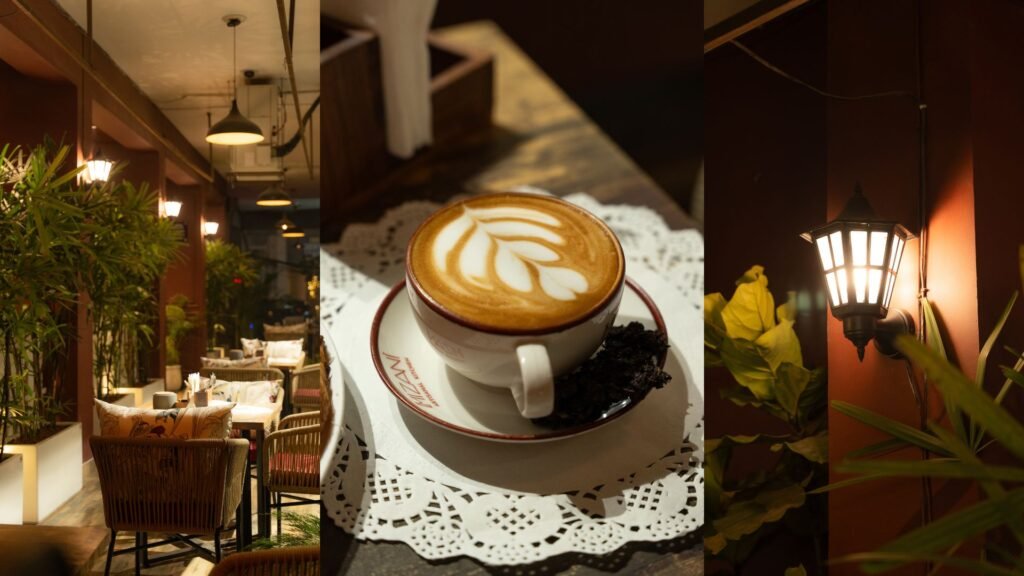
In a café landscape increasingly dominated by fast trends and formula-driven menus, spaces that prioritise intention, craftsmanship, and culture are becoming rare. Yet, in the heart of Jalandhar , one such space is quietly redefining what modern café culture can look like. It is a thoughtfully designed cultural hideout where food, music, and community intersect with purpose.
As Punjab’s urban centres evolve, so do the expectations of their audiences. Today’s café-goers are no longer satisfied with convenience alone; they seek spaces that offer depth, authenticity, and a sense of belonging. Mizani responds to this shift by focusing not on trends, but on experiences that feel personal and enduring.
A Concept Built on Intentional Living
Mizani Café was envisioned as more than a conventional café. From its inception, the idea was to create a space that encourages people to slow down—much like the old-world Italian trattorias that inspired its design philosophy.
The interiors reflect this ethos. Warm textures, an open kitchen, and a welcoming layout make the space feel intimate rather than commercial. Every design choice is intentional, aimed at creating comfort without excess. This focus on simplicity allows the café’s core elements—food, coffee, and music—to take centre stage.
For founder Mukul Mehta, Mizani represents a lifestyle choice as much as a business venture. Along with his sister Yukta Mehta, who co-runs the café, he has been closely involved in shaping every aspect of its identity, from concept development to creative direction. Together, they have ensured that Mizani remains rooted in authenticity rather than mass appeal
Artisanal at Its Core
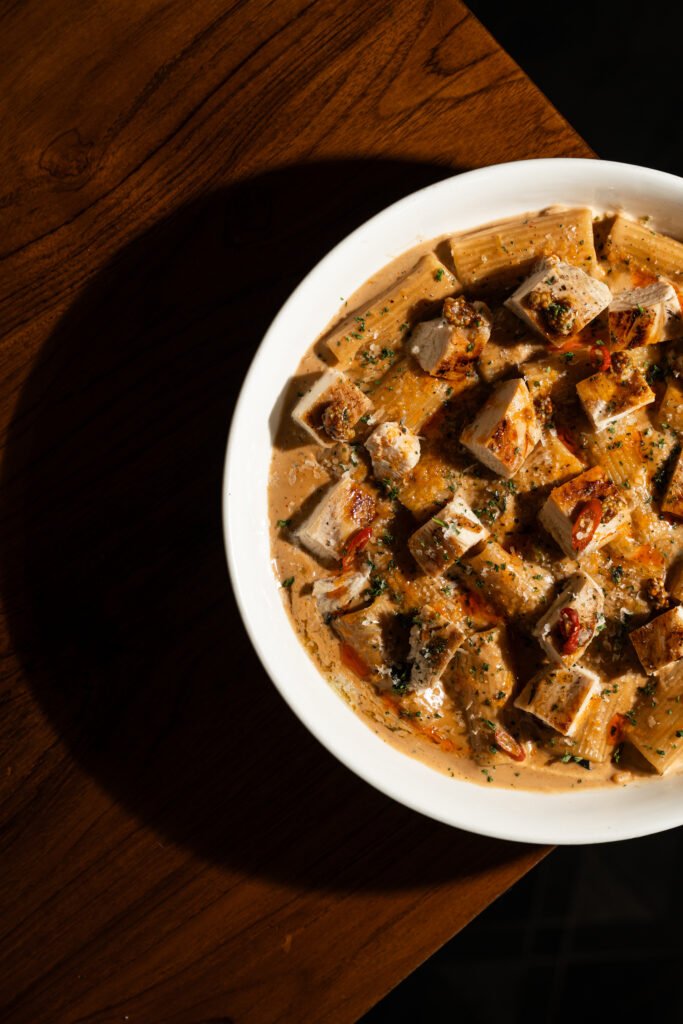
A defining pillar of Mizani Café is its artisanal approach. This philosophy extends across the kitchen, where emphasis is placed on in-house preparation and mindful sourcing. Bread and buns are baked fresh daily, sauces are prepared from scratch, and dishes are crafted with an understanding of flavour balance rather than visual gimmicks.
While Mizani draws inspiration from Italian cuisine, it does not attempt to replicate it rigidly. Instead, the kitchen interprets classic techniques through its own lens, adapting flavours to suit local sensibilities while preserving the integrity of the craft. This balance between inspiration and originality is what gives Mizani its distinct culinary voice.
The menu remains intentionally curated, allowing the team to focus on consistency and quality. Each dish is designed to complement the café’s broader narrative—one that values restraint, precision, and honesty in cooking.
Coffee as a Crafted Experience
Coffee at Mizani is treated not as a commodity, but as an experience shaped by technique and intention. The café works with speciality coffee beans sourced from Araku, a region recognised for its sustainable farming practices and unique flavour profiles. Every cup is brewed with attention to detail, prioritising balance and clarity over speed.
Beyond coffee, Mizani introduces guests to ceremonial-grade matcha and hojicha, beverages that are still relatively uncommon in Punjab’s café scene. These choices reflect the café’s commitment to offering products that align with its philosophy rather than following mainstream demand.
By keeping the beverage menu focused and refined, Mizani ensures that quality is never compromised. Each drink is prepared with care, reinforcing the idea that simplicity, when done well, can be deeply satisfying.
Vinyl, Music, and Cultural Expression
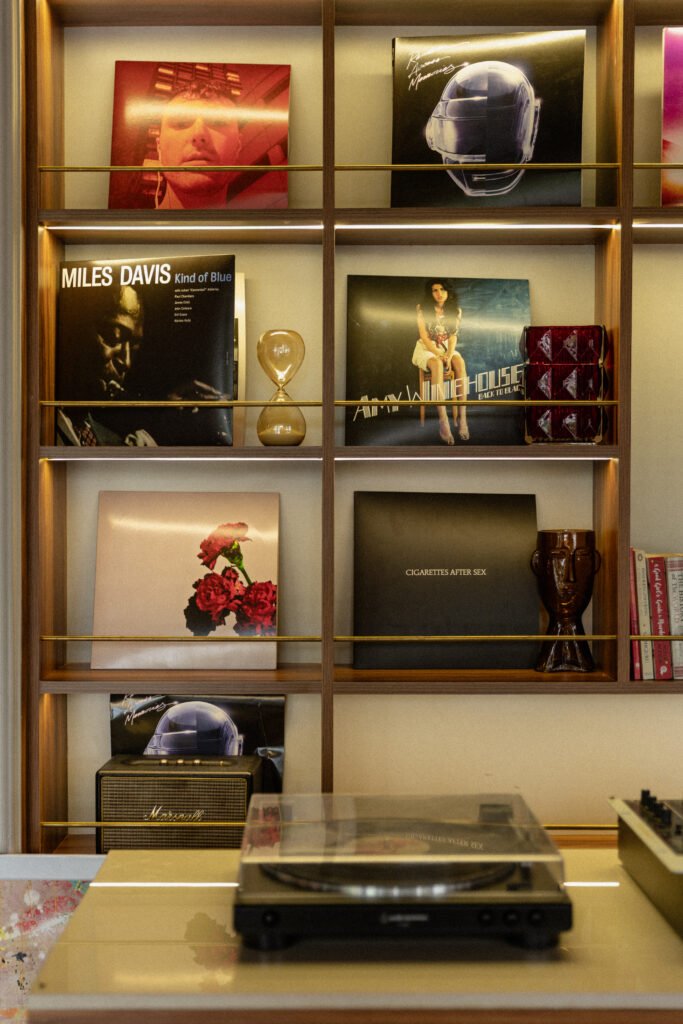
One of Mizani’s most distinctive features is its identity as a vinyl café , making it one of the few such spaces in Punjab to integrate vinyl listening into the café experience. Here, music is not relegated to background noise; it is woven into the rhythm of the space.
Vinyl records play throughout the day, offering a warm, textured sound that enhances rather than overwhelms. The café’s collaboration with Mumbai-based Revolver Club brings a curated vinyl culture to Jalandhar, introducing patrons to a listening experience that feels intimate and immersive.
This focus on vinyl transforms Mizani into more than a dining destination. It becomes a cultural listening room—one where people connect through sound, shared moments, and meaningful conversations.
A Community-Driven Space
Mizani was designed as a “third place”—a space that exists between home and work. Its layout avoids rigid seating arrangements, encouraging organic interaction among guests. As a result, the café naturally attracts a diverse crowd, and creatives who see it as a place to pause and engage.
Art and culture are subtly integrated into the environment, from wall displays to thoughtfully curated playlists. Events, creative exchanges, and informal gatherings emerge organically, reinforcing Mizani’s role as a community hub rather than a transactional space.
The Team Behind the Vision
Behind Mizani Café is a close-knit team driven by passion and process. Alongside Yukta and Mukul Mehta, Chef Manjot Singh , the café’s head consultant, plays a key role in shaping the culinary direction. His approach focuses on refining techniques, exploring flavours, and maintaining consistency without losing the soul of the food.
Together, the team prioritises sustainability—both cultural and operational. Instead of chasing rapid expansion, the focus remains on strengthening identity, improving processes, and nurturing the community that has grown around Mizani.
Looking Ahead
As Jalandhar’s café culture continues to mature, Mizani stands as a reflection of a broader shift in consumer values. There is a growing demand for spaces that feel genuine, thoughtfully designed, and rooted in experience rather than spectacle.
Mizani’s long-term vision is not defined by scale, but by depth. By staying true to its artisanal philosophy and founder-led vision, the café continues to shape a new narrative for hospitality in Punjab .
In a landscape crowded with cafés trying to follow trends, Mizani stands out by doing the opposite—slowing down, paying attention to detail, and allowing culture to lead. In doing so, it offers Jalandhar not just a café, but a new way to experience food, music, and community—together.
