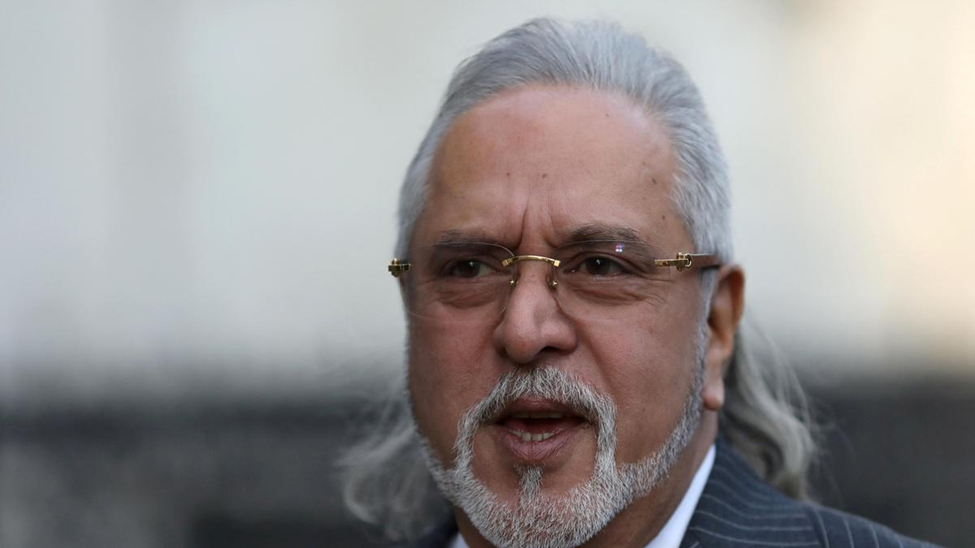
RCB Investment Debate and Mallya’s Response
Businessman Vijay Mallya has once again sparked discussion after responding to critics who had earlier dismissed his investment in Royal Challengers Bangalore as a “vanity project.” His remarks come at a time when the franchise continues to remain one of the most popular teams in the Indian Premier League, both in terms of brand value and fan following.
Mallya, who was instrumental in acquiring and building the RCB franchise during the early years of the IPL, stated that the investment was driven by long-term vision rather than personal image-building. He emphasized that the team’s sustained popularity and commercial success are proof that the foundation laid during its inception was strong and strategically planned.
The Royal Challengers Bangalore was launched in 2008 when the IPL began as a new cricketing format combining sports and entertainment. At that time, the concept of franchise-based cricket leagues was still evolving in India, and investments in teams were often viewed with skepticism. Mallya’s ownership of RCB, along with his high-profile style, led many critics to label the venture as more of a branding exercise than a serious business move.
However, over the years, RCB has developed into one of the most recognizable brands in the league. Despite not having secured an IPL title so far, the team enjoys a massive fan base across India and globally. The presence of star players over the years, including Virat Kohli, has contributed significantly to its popularity.
Mallya highlighted that building a sports franchise is not solely about winning trophies but also about creating a strong brand, engaging fans and sustaining long-term value. According to him, the commercial success and continued relevance of RCB reflect the strength of the original vision.
The IPL itself has transformed into one of the most valuable cricket leagues in the world, attracting global audiences, sponsorships and broadcasting deals. Teams like RCB have played a key role in shaping this ecosystem, contributing to the league’s growth and global appeal.
Mallya’s comments also come in the backdrop of ongoing discussions about the commercialization of sports. The IPL has often been cited as an example of how sports can evolve into a powerful business model, combining entertainment, marketing and fan engagement.
Critics had earlier argued that investments in IPL franchises were driven by personal branding and glamour rather than sound business logic. However, the success of the league and the increasing valuations of teams have challenged this perception.
RCB’s journey reflects this transformation. From being labeled a “vanity project” to becoming a widely followed and commercially successful franchise, the team has demonstrated how strategic investments in sports can yield long-term returns.
Mallya also pointed out that early investors in the IPL took significant risks, as the format and its acceptance were uncertain at the time. The willingness to invest in a new concept played a crucial role in establishing the league’s foundation.
The franchise’s ability to attract sponsors, maintain a loyal fan base and remain competitive over the years highlights its resilience and brand strength. Even without winning a championship, RCB has managed to stay relevant, which is a significant achievement in a highly competitive league.
The discussion around RCB also brings attention to the broader dynamics of sports branding. Teams are no longer judged solely by their on-field performance but also by their market presence, fan engagement and overall brand value.
Mallya’s remarks serve as a reminder of how perceptions can evolve over time. What may initially be seen as a risky or unconventional investment can later be recognized as a strategic and visionary decision.
The IPL continues to grow as a global sporting event, and franchises like RCB remain central to its success. The league has also opened new opportunities for players, advertisers and stakeholders, further strengthening its position in the sports industry.
As the conversation around sports investments continues, Mallya’s response adds another dimension to the debate, highlighting the importance of long-term thinking and vision in building successful ventures.
The journey of RCB stands as an example of how sports, business and entertainment can come together to create a powerful and enduring brand.
Follow for more updates regarding business related news in newsnownation.com.
