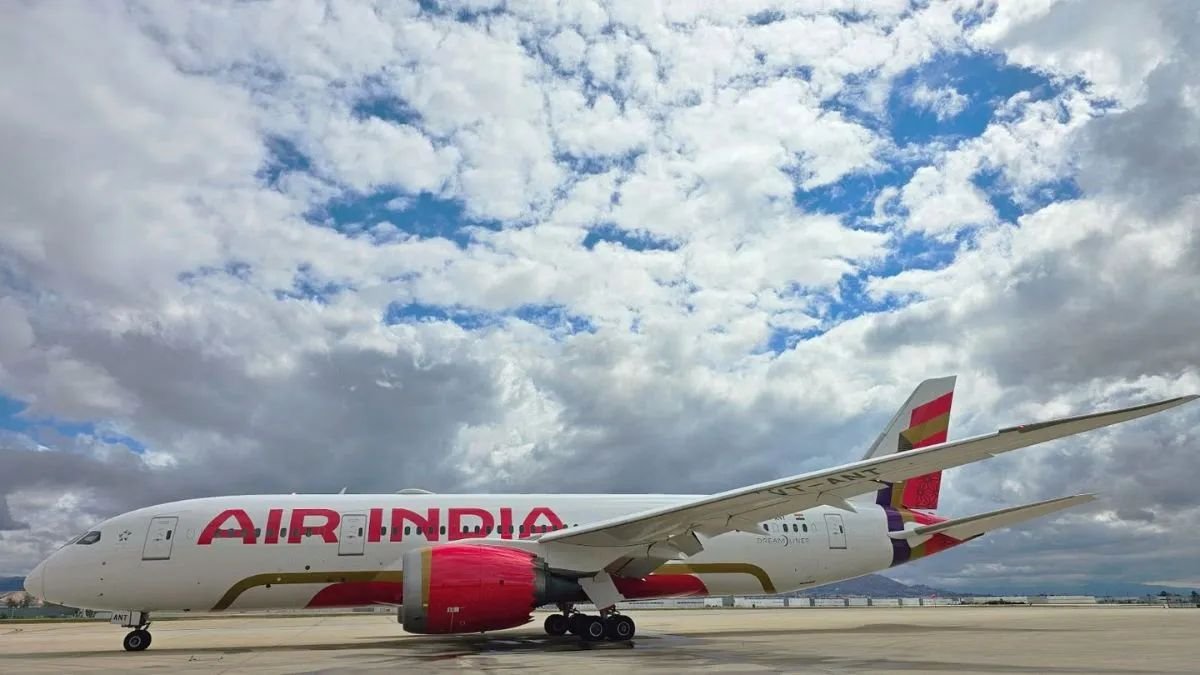
Air India has taken another significant step in its transformation journey by introducing premium First Class cabins and high-speed in-flight Wi-Fi on its Delhi–Melbourne service, enhancing the travel experience for passengers on one of the airline’s key international routes. The rollout forms part of the Tata Group-owned carrier’s long-term modernization strategy aimed at positioning Air India among the world’s leading full-service airlines. (Air India)
The upgraded service reflects growing demand for premium international travel between India and Australia, particularly among business travellers, students, professionals, and the Indian diaspora. By combining enhanced cabin comfort with uninterrupted onboard connectivity, Air India is strengthening its competitiveness in the long-haul aviation market.
A New Premium Flying Experience
The Delhi–Melbourne route now features upgraded First Class suites designed to provide greater privacy, comfort, and luxury.
Passengers can expect spacious seating, premium dining, personalized service, enhanced entertainment systems, and improved cabin interiors. The addition of First Class further expands Air India’s premium offering as the airline continues introducing next-generation aircraft and refurbished cabins across its international network.
The move aligns with the airline’s broader transformation programme, which includes fleet renewal, improved customer service, and upgraded onboard products.
High-Speed Wi-Fi Takes Flight
One of the most notable additions is the introduction of high-speed in-flight Wi-Fi, allowing passengers to remain connected throughout the journey.
Travellers will be able to browse the internet, respond to emails, access messaging platforms, and stay productive while flying between India and Australia. Reliable onboard connectivity has become an increasingly important feature for business travellers and digital professionals who expect seamless access during long-haul flights.
The service also enhances the overall passenger experience for leisure travellers wishing to stay connected with family and friends.
Strengthening India–Australia Connectivity
The Delhi–Melbourne route serves one of Air India’s most strategically important international markets.
Australia hosts a rapidly growing Indian community, thousands of international students, and expanding business ties with India. Improved premium services are expected to strengthen tourism, education, trade, and corporate travel between the two countries.
As bilateral economic relations continue to deepen, better air connectivity remains an essential driver of people-to-people engagement and commercial cooperation.
Part of Air India’s Transformation Strategy
Since joining the Tata Group, Air India has embarked on one of the largest aviation transformation programmes in its history.
The airline has placed record aircraft orders, announced extensive fleet modernization, invested in digital services, upgraded lounges, improved onboard products, and introduced new technology across customer touchpoints.
Industry analysts believe these investments are helping reposition Air India as a globally competitive full-service carrier capable of meeting international passenger expectations.
Boosting India’s Aviation Ambitions
India is among the world’s fastest-growing aviation markets.
As international passenger demand continues rising, investments in premium cabins, digital connectivity, and modern aircraft contribute to India’s ambition of becoming a global aviation hub.
Enhanced passenger experiences also strengthen India’s tourism ecosystem while improving connectivity for businesses, students, and global travellers.
Conclusion
Air India’s introduction of premium First Class cabins and high-speed in-flight Wi-Fi on the Delhi–Melbourne route represents another milestone in the airline’s ongoing transformation. By combining luxury travel with next-generation connectivity, the carrier is enhancing the passenger experience while reinforcing India’s growing presence in international aviation. As Air India continues modernizing its fleet and services, travellers can expect a more connected, comfortable, and globally competitive flying experience.
For more updates on business, startups, technology, innovation, sustainability, and global developments, visit NewsNowNation at https://newsnownation.com/.
Air India, Delhi Melbourne flight, Air India First Class, Air India Wi-Fi, in-flight Wi-Fi, Tata Group Air India, international flights India, aviation news India, premium travel, India Australia flights, Air India transformation, airline industry, global aviation, passenger experience, NewsNowNation

