Main Subheading: Trump’s Humorous Comment Steals Attention as Washington and Baghdad Focus on Security, Investment, and Future Cooperation
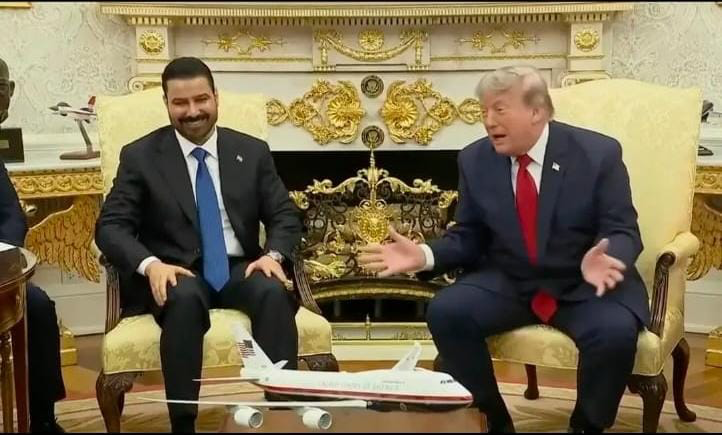
US President Donald Trump hosted Iraq’s newly appointed Prime Minister Ali al-Zaidi at the White House on July 14, 2026, for a high-profile bilateral meeting aimed at strengthening diplomatic, economic, and security cooperation between the two nations. While the discussions covered several significant geopolitical and economic issues, a light-hearted remark made by Trump during the meeting quickly became the most talked-about moment across social media and international news platforms.
Welcoming Prime Minister Ali al-Zaidi to the Oval Office, President Trump introduced the Iraqi leader with praise before jokingly saying that the Prime Minister was “young and handsome,” adding, “Which I don’t like. I’m not happy about it.” The comment was delivered with a smile, drawing laughter from officials and members of the media present inside the room. The humorous exchange immediately went viral, with clips circulating widely across digital platforms and generating discussions worldwide.
Although the remark attracted considerable public attention, the primary purpose of the meeting was far more substantial. The visit marked one of Prime Minister Ali al-Zaidi’s first major diplomatic engagements since assuming office and reflected Iraq’s intention to deepen relations with the United States during a period of regional uncertainty. Leaders from both countries discussed expanding economic partnerships, energy investments, regional security, and long-term cooperation between Washington and Baghdad.
President Trump praised Iraq’s potential for economic growth and highlighted opportunities for American companies to increase investments in Iraq’s energy and infrastructure sectors. He stated that Iraq possesses enormous natural resources and emphasized that stronger commercial partnerships could create employment opportunities while benefiting both economies. Trump also expressed confidence that bilateral relations could enter a new phase of cooperation under the new Iraqi leadership.
Prime Minister Ali al-Zaidi used the visit to present Iraq’s vision for reconstruction, investment, and economic modernization. He stressed that Iraq continues to recover from years of conflict and requires greater international cooperation to rebuild damaged infrastructure, strengthen public services, and attract foreign investment. The Iraqi leader also highlighted the importance of energy collaboration and called for increased participation by global investors in Iraq’s oil, gas, and power sectors.
Energy remained one of the central topics during the bilateral discussions. Iraq continues to be one of the world’s largest oil-producing nations, and both governments acknowledged the strategic importance of expanding energy cooperation. Officials indicated that future agreements involving American companies could support Iraq’s long-term economic development while strengthening bilateral commercial ties.
Security cooperation was another major focus of the White House meeting. Both sides discussed ongoing regional challenges, including counterterrorism efforts, stability in the Middle East, and the future of US-Iraq security relations. Reports also indicated that discussions included the planned withdrawal of remaining American troops from Iraq as part of previously agreed arrangements between the two governments.
Prime Minister Ali al-Zaidi has emerged as one of Iraq’s newest political figures, coming from a banking and business background rather than a traditional political career. His appointment followed months of political negotiations and parliamentary deadlock, eventually leading to his selection as a consensus candidate. Since assuming office, he has positioned himself as a reform-oriented leader focused on improving governance, attracting investment, reducing corruption, and strengthening Iraq’s international partnerships.
Political analysts believe the White House meeting represents an important step for Iraq’s new leadership as it seeks greater international engagement. The visit also reflects Washington’s continued strategic interest in maintaining close relations with Baghdad despite changing regional dynamics and evolving security priorities.
Beyond the diplomatic agenda, Trump’s humorous compliment quickly dominated online conversations. Social media users shared videos and memes featuring the exchange, with many describing it as one of the lighter moments from an otherwise serious diplomatic meeting. Supporters viewed the remark as an example of Trump’s informal communication style, while others simply appreciated the relaxed atmosphere it created before formal discussions began.
The meeting also highlighted the importance of personal diplomacy in international relations. Friendly interactions between world leaders often help establish rapport before negotiations begin, and such moments frequently attract significant public attention. While the joke became the headline across many media outlets, diplomatic observers emphasized that the broader discussions on trade, energy, investment, and regional security remain the most consequential outcomes of the visit.
For Iraq, strengthening ties with the United States is expected to support its long-term economic recovery, encourage foreign investment, and enhance regional stability. For the United States, maintaining a productive relationship with Iraq continues to be strategically important due to the country’s role in Middle Eastern energy markets and regional security architecture.
As both governments move forward with future negotiations and potential economic agreements, the White House meeting is likely to be remembered for two reasons: its strategic significance for US-Iraq relations and the humorous remark that unexpectedly became a global talking point. The exchange demonstrated how even brief moments during diplomatic events can capture worldwide attention while broader policy discussions continue behind the scenes.
Follow NewsNowNation.com for more updates regarding business-related news and global developments.
