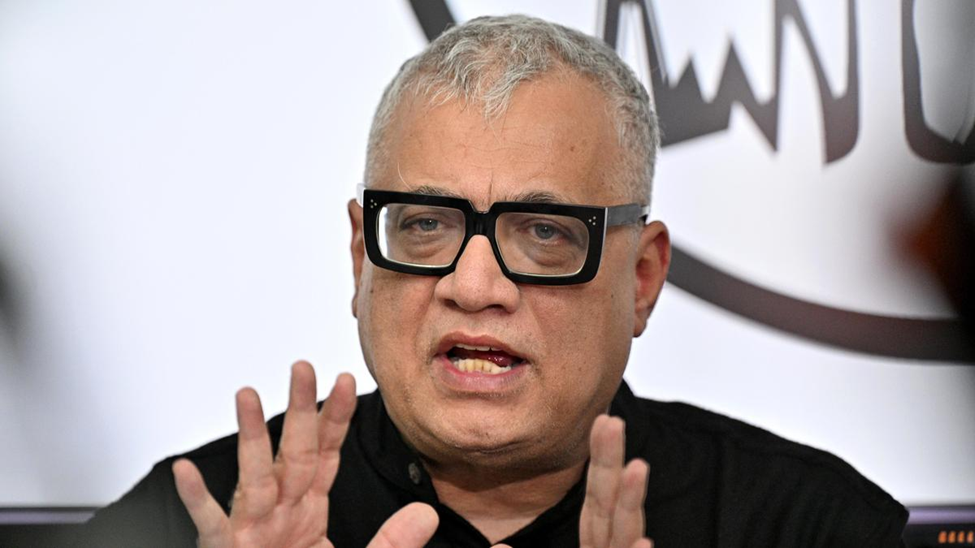
A fresh political debate has emerged over the proposed Transgender Persons (Protection of Rights) Amendment Bill, 2026 after Derek O’Brien criticised the legislation, calling it “draconian” and expressing strong opposition to its provisions. The remarks highlight growing concerns among opposition leaders and activists regarding the impact of the proposed amendments on transgender rights in India.
The bill, introduced as an amendment to the existing Transgender Persons (Protection of Rights) Act, 2019, seeks to revise procedures related to gender identity recognition and certification. However, critics argue that the changes may undermine rights that were previously recognised under law.
Key Provisions of the Proposed Amendment
The 2026 amendment bill introduces several structural changes to how transgender identity is officially recognised in India. One of the most debated provisions is the proposal to replace self-identification with a verification process involving medical boards.
Under the proposed system, individuals seeking a transgender identity certificate would need approval from a state-level medical board before receiving official documentation.
This marks a significant departure from the earlier framework, which allowed individuals to self-identify their gender. Critics argue that such a requirement may violate the principle of personal autonomy and dignity.
The bill also proposes stricter penalties for crimes against transgender persons and aims to regulate access to welfare benefits. The government has stated that these measures are intended to prevent misuse and ensure that benefits reach genuine beneficiaries.
Derek O’Brien’s Criticism
Speaking on the issue, Derek O’Brien strongly opposed the bill, describing it as harsh and regressive. He expressed concern that the proposed provisions could reverse progress made in protecting transgender rights.
His remarks reflect a broader political stance taken by sections of the opposition, who argue that the bill does not align with constitutional values of equality and dignity.
O’Brien’s criticism also points to concerns about the legislative process, with opposition leaders demanding greater consultation with stakeholders, including members of the transgender community.
Concerns Raised by Activists
The proposed amendment has also drawn criticism from activists and members of the transgender community. Many argue that mandatory medical verification could lead to discrimination, invasion of privacy and bureaucratic hurdles.
Experts highlight that the right to self-identification was recognised by the Supreme Court in the landmark 2014 NALSA judgment, which affirmed that gender identity is a matter of personal choice.
Activists believe that removing or restricting this right could be seen as a step backward in the fight for equality.
Protests and discussions have taken place in various parts of the country, with community members demanding that the bill be reconsidered and revised to protect fundamental rights.
Background: The 2019 Law
The Transgender Persons (Protection of Rights) Act, 2019 was enacted to provide legal recognition and protection to transgender individuals. It aimed to prohibit discrimination in areas such as education, employment, healthcare and access to public services.
However, even the 2019 law faced criticism for certain provisions, including requirements related to certification and lack of clarity on reservation policies.
The new amendment has reignited debates about how best to balance regulatory measures with the protection of individual rights.
Political and Social Implications
The ongoing debate around the transgender bill reflects a broader discussion about inclusivity and rights in India’s legislative framework. While the government emphasises the need for structured verification systems, critics argue that such measures may create barriers rather than solutions.
The issue has also become politically significant, with opposition parties using it to question the government’s approach to social justice and minority rights.
In cities like Kolkata, which has historically been a centre for LGBTQ+ activism, the debate has gained particular attention. Events like the Kolkata Rainbow Pride Walk reflect the long-standing demand for equality and recognition.
The Way Forward
As discussions continue, experts suggest that meaningful dialogue between policymakers, activists and community representatives is essential to ensure that legislation is inclusive and effective.
Balancing administrative safeguards with individual rights remains a key challenge. Policymakers will need to carefully consider the implications of the proposed changes to avoid unintended consequences.
The debate surrounding the bill also highlights the importance of ensuring that laws evolve in line with constitutional values and societal progress.
The coming weeks are likely to see further discussions in Parliament, as well as continued engagement from civil society groups.
Follow for more updates regarding business related news in newsnownation.com.
