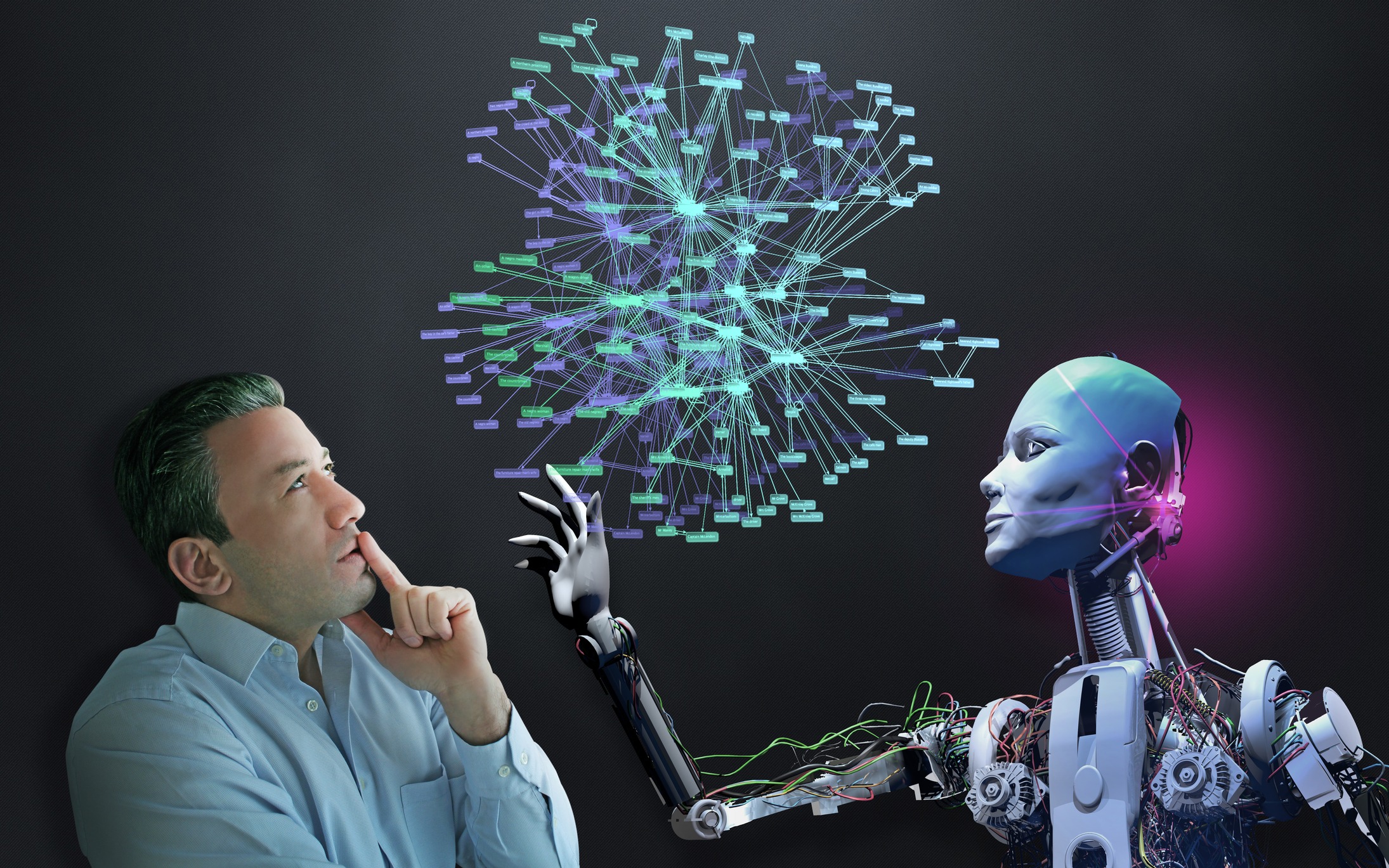
Artificial Intelligence (AI) is reshaping industries, raising questions about its potential to replace the human workforce. In this article, we will explore the impact of AI on jobs, emphasizing that AI often complements human skills rather than replacing them entirely. We’ll delve into AI’s role in automation and augmentation, the changing landscape of work, and ethical considerations surrounding AI adoption.
AI and Automation: A Transformative Duo
AI and Job Automation : AI-driven automation has transformed industries like manufacturing and logistics. Keywords like “AI automation” and “job displacement” often come up in discussions. However, it’s crucial to understand that automation doesn’t always equate to job loss. AI typically automates repetitive and time-consuming tasks, freeing up human workers for higher-value activities.
Augmentation, Not Replacement: AI augments human skills, enhancing efficiency and reducing errors. Phrases like “AI augmentation” and “human-AI collaboration” are becoming commonplace. For example, AI assists doctors in making more accurate diagnoses, emphasizing the importance of human oversight in healthcare. In finance, AI algorithms support investment decisions but still require human judgment.
The Future of Work: Adapting to Change
New Job Opportunities : As AI continues to evolve, new job opportunities emerge in fields like AI development, data science, and AI ethics. “Future job prospects” and “AI-related careers” are trending topics. Reskilling and upskilling will be essential to prepare the workforce for these new roles.
Balancing Automation and Human Touch: Despite AI’s capabilities, it cannot replace human attributes like empathy, creativity, and emotional intelligence. Jobs in counseling, teaching, and healthcare heavily rely on these qualities. “Human skills in the workplace” and “AI support in caregiving” reflect this balance.
Ethical Considerations in AI Integration
AI and Job Displacement : The integration of AI into the workforce sparks ethical debates. Phrases like “job displacement concerns” and “AI’s impact on workers” are hot topics. Policymakers must address these concerns by establishing guidelines and regulations to protect workers’ rights.
Fairness and Equity : Ensuring that AI benefits all segments of society without exacerbating inequalities is paramount. “AI fairness” and “equitable AI deployment” are essential concepts. Ethical AI development and unbiased algorithms are critical components of this discussion.
Conclusion: Embracing the AI-Enhanced Future
In conclusion, AI’s impact on the workforce is multifaceted. While some routine jobs may become obsolete, AI is better viewed as a tool that enhances human capabilities. Preparing for the future means investing in education and training to adapt to the changing landscape. With the right approach, AI can be harnessed to improve efficiency while preserving the irreplaceable qualities of human workers.

