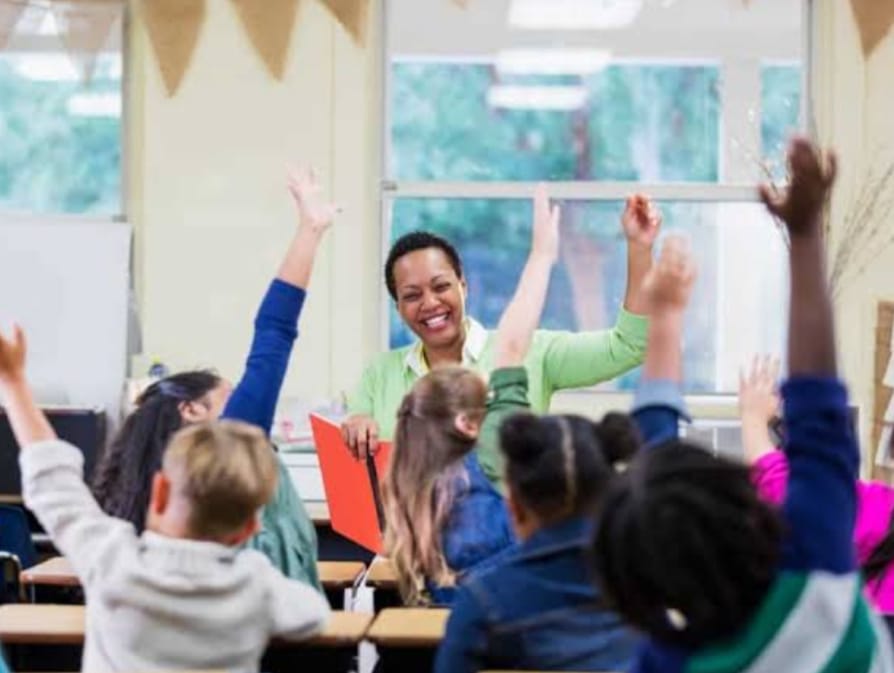
Social-emotional learning (SEL) has emerged as a critical component of education, encompassing skills such as self-awareness, self-management, social awareness, relationship skills, and responsible decision-making.
While academic achievement has long been the focus of education systems, the recognition of SEL’s impact on student success is gaining momentum. This article explores the significance of SEL in fostering student success and its implications for education.
What is SEL?
SEL involves the development of skills that enable individuals to understand and manage emotions, set and achieve positive goals, feel and show empathy for others, establish and maintain positive relationships, and make responsible decisions. These skills are essential for navigating challenges, building healthy relationships, and achieving academic and personal success.
Fostering Positive School Climate:
Schools play a vital role in promoting SEL by creating supportive environments where students feel safe, valued, and connected. When schools prioritize SEL, they cultivate a positive school climate that enhances students’ well-being and academic performance. Educators can integrate SEL into daily routines, classroom activities, and school policies to nurture a culture of empathy, respect, and collaboration.
Enhancing Academic Achievement:
Research indicates that SEL is positively correlated with academic achievement. Students who possess strong social-emotional skills are better equipped to manage stress, persevere through challenges, and engage in learning. SEL fosters a growth mindset, empowering students to embrace mistakes as opportunities for growth and develop resilience in the face of setbacks. By addressing students’ social and emotional needs, educators can create conditions conducive to learning and academic success.
Promoting Positive Behavior:
SEL not only benefits academic outcomes but also promotes positive behavior and reduces disciplinary issues in schools. When students learn to regulate their emotions, communicate effectively, and resolve conflicts peacefully, they are less likely to engage in disruptive behavior. By teaching SEL competencies, educators equip students with the tools they need to navigate social interactions, resolve conflicts constructively, and make ethical decisions.
Preparing Students for Success Beyond the Classroom:
In addition to academic achievement, SEL equips students with essential skills for success in college, careers, and life. Employers increasingly value employees who demonstrate strong interpersonal skills, emotional intelligence, and resilience. By prioritizing SEL, schools prepare students for the complexities of the modern world, where success often depends on more than just academic prowess.
Conclusion:
Social-emotional learning is not just a complementary aspect of education; it is a fundamental driver of student success. By nurturing students’ social and emotional development, schools empower them to thrive academically, build healthy relationships, and contribute positively to society. Embracing SEL is not only a moral imperative but also a strategic investment in the future well-being and success of our students.

