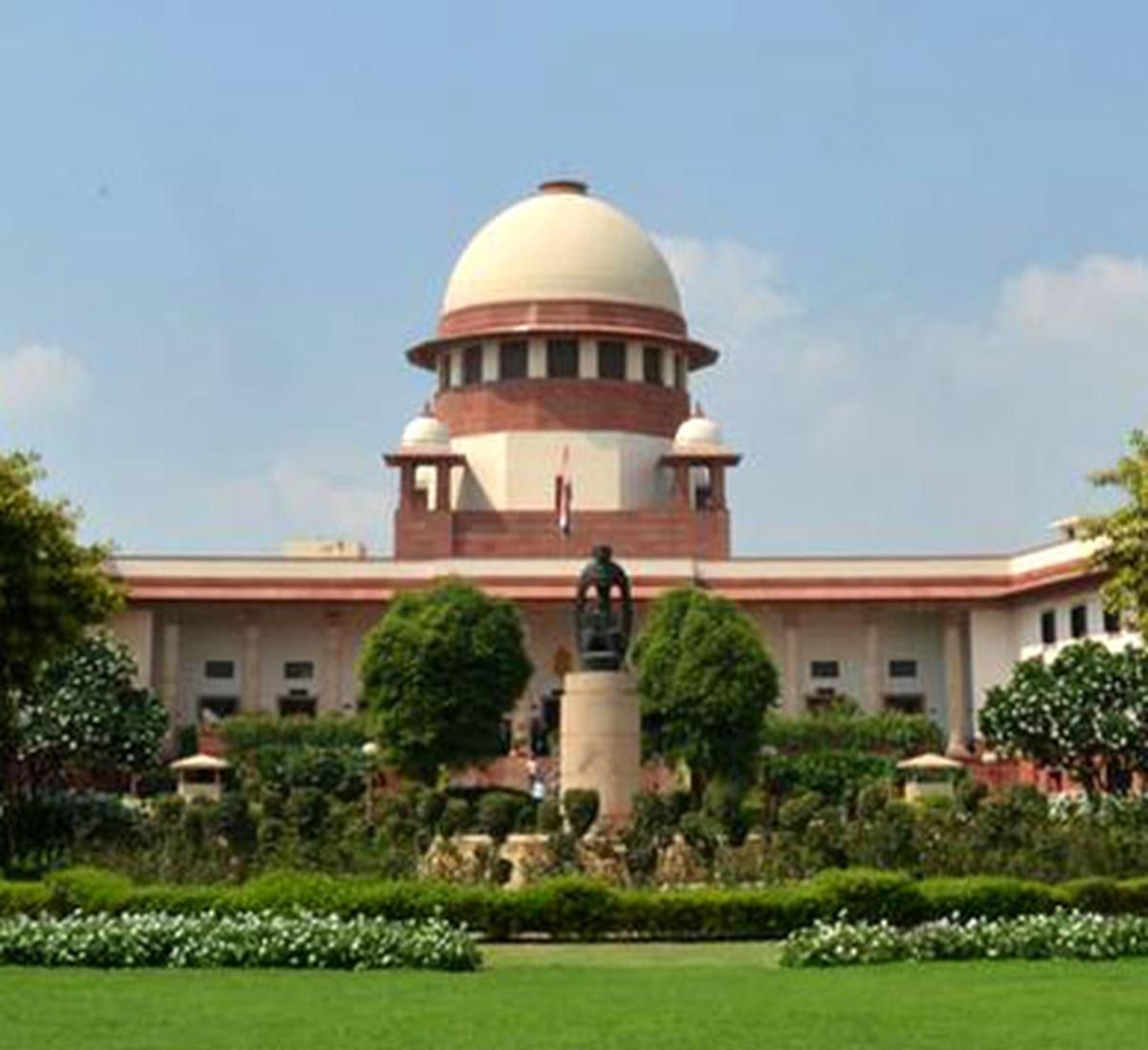
In a significant development, the Supreme Court of India has issued a directive to the government, urging them to create a comprehensive manual outlining guidelines for police officers on how to brief the media in sensitive cases. The court emphasized the crucial importance of safeguarding the sanctity of investigations and protecting the rights of both the accused and the victim.
Recognizing the potential harm caused by biased reportage, the court highlighted that inaccurate or sensationalized media coverage could tarnish the reputation of both parties involved and potentially derail ongoing investigations. The previous manual, considered outdated in light of the rapid changes brought about by social media, failed to adequately address these concerns.
Acknowledging the need for updated guidelines that align with contemporary media practices, the Supreme Court directed the Ministry of Home Affairs to prepare the new manual within a timeframe of three months. The court further emphasized the importance of soliciting inputs from state police chiefs and the National Human Rights Commission during the drafting process, ensuring a comprehensive and inclusive approach.
This recent directive builds upon previous orders issued by the Supreme Court in 2016 and 2014, which also focused on establishing media briefing guidelines. The court’s consistent efforts in this regard highlight its commitment to maintaining transparency in sensitive cases while ensuring the protection of the rights and reputations of all parties involved.
The creation of a new manual specifically tailored to address the challenges posed by modern media platforms is expected to provide police officers with clear instructions on how to effectively engage with the media while upholding the principles of fairness, accuracy, and sensitivity. By doing so, the Supreme Court aims to strike a balance between the public’s right to know and the need to protect the integrity of ongoing investigations.
As the government and concerned stakeholders commence the process of formulating the new guidelines, it is anticipated that this initiative will contribute towards enhancing the professionalism and accountability of law enforcement agencies, fostering a more responsible and informed media landscape, and ultimately strengthening the trust between the public and law enforcement authorities.

