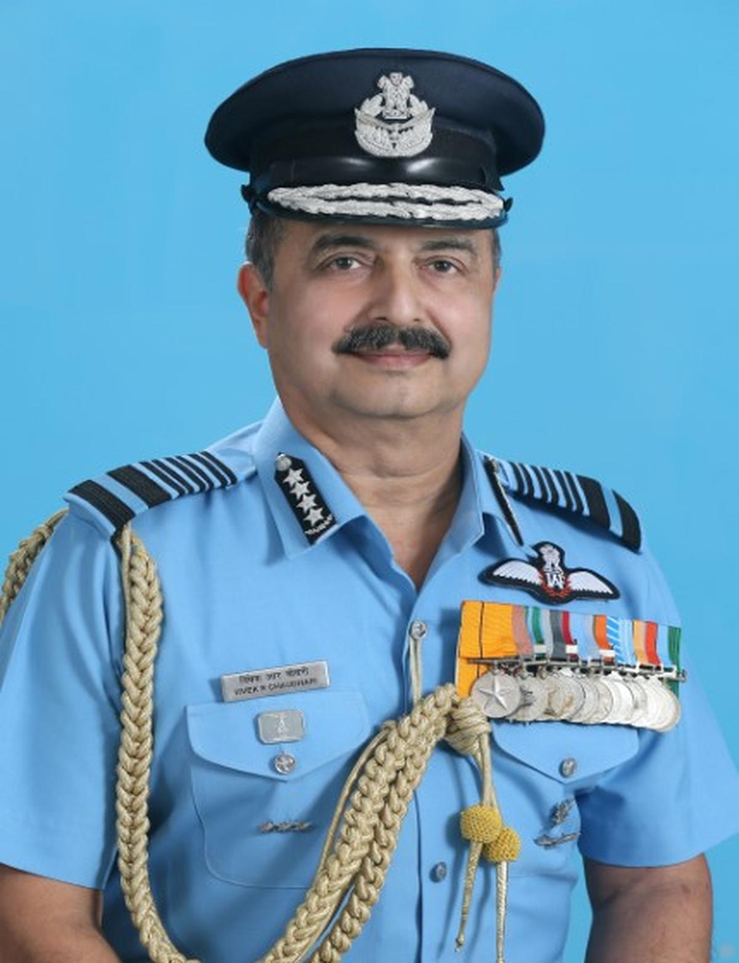
The ongoing conflict in West Asia has sparked global discussions about modern warfare and defence preparedness. According to V. R. Chaudhari, the most important takeaway for India from the conflict is the urgent need to strengthen its air defence systems and build a more integrated national defence network.
Speaking at a national security conclave in New Delhi, the former Air Chief emphasised that India must significantly enhance its air defence capabilities with advanced weapon systems, radar technology and integrated operational networks to deal with emerging security threats.
Lessons Emerging from the West Asia Conflict
Recent developments in West Asia have highlighted the importance of air defence systems in modern warfare. Missiles, drones and advanced aerial attacks have become key components of contemporary military strategies.
Military experts believe the ongoing conflict demonstrates how countries rely heavily on layered air defence systems to protect critical infrastructure, military bases and civilian populations.
According to Chaudhari, India must carefully study these developments and strengthen its own defence preparedness. He noted that the scale and intensity of air attacks witnessed in recent conflicts show that existing defence systems may not be sufficient to counter modern threats.
Need for Advanced Weapon Systems and Radars
A major recommendation from defence experts is the expansion of India’s air defence infrastructure. This includes deploying more missile defence systems, improving radar coverage and enhancing surveillance capabilities.
Modern air defence requires a multi-layered approach that can detect and intercept different types of threats, including ballistic missiles, cruise missiles and unmanned aerial vehicles.
Chaudhari stressed that India must invest in additional weapon systems and radar networks to build a stronger defence shield across the country. Integrating these systems into a unified network will be essential for effective coordination between different branches of the armed forces.
Integration of Defence Systems
Another critical aspect highlighted by defence experts is the integration of multiple defence technologies into a single operational network.
Modern warfare is increasingly dependent on coordinated operations across land, air, sea, cyber and space domains. In such a scenario, isolated defence systems may not be sufficient to respond effectively to complex threats.
Chaudhari suggested the creation of a robust “mesh network” that can connect sensors, weapon platforms, radar systems and command centres across the country. Such integration would enable faster response times and better coordination during military operations.
A unified defence network can also help improve situational awareness and allow military forces to respond quickly to emerging threats.
Role of Drones in Future Warfare
The use of drones has become increasingly prominent in modern conflicts, including those in Ukraine and West Asia. Low-cost unmanned aerial vehicles are being used for surveillance, reconnaissance and targeted attacks.
Chaudhari acknowledged that drones will play a significant role in future warfare. However, he cautioned that relying entirely on drones would not be sufficient to win conflicts.
Instead, drones should be seen as complementary tools that support existing defence systems rather than replace them entirely. A balanced strategy that combines traditional military capabilities with modern technology will be essential for maintaining national security.
Rising Importance of Air Power
Air power has become one of the most decisive factors in modern military strategy. The ability to control airspace, detect incoming threats and neutralise them quickly can significantly influence the outcome of conflicts.
The West Asia conflict has once again demonstrated how aerial attacks, missile strikes and drone operations can shape the dynamics of warfare.
For India, strengthening air defence is particularly important given the country’s strategic environment and evolving security challenges.
Developing advanced air defence capabilities will help ensure that India can protect its borders, critical infrastructure and major cities from potential aerial threats.
Building a Future-Ready Defence Strategy
India has already made significant progress in strengthening its defence capabilities through initiatives such as missile defence systems, indigenous weapon development and strategic partnerships with international defence manufacturers.
However, experts believe that continued investment in technology, research and infrastructure will be necessary to keep pace with rapidly evolving threats.
Improving cyber capabilities, enhancing intelligence systems and strengthening defence coordination across military services will also play an important role in building a comprehensive national security strategy.
Strategic Importance for India
As geopolitical tensions continue to influence global security dynamics, countries around the world are reassessing their defence strategies.
For India, the lessons from the West Asia conflict highlight the need to remain prepared for emerging challenges. Strengthening air defence infrastructure and adopting integrated military strategies will be crucial in maintaining national security in the coming years.
Experts say that investing in advanced defence technologies and modernising military systems will help India build a resilient and future-ready security framework.
The evolving nature of warfare means that preparedness and technological advancement will remain key pillars of national defence policy. Follow for more updates regarding business related news in newsnownation.com
