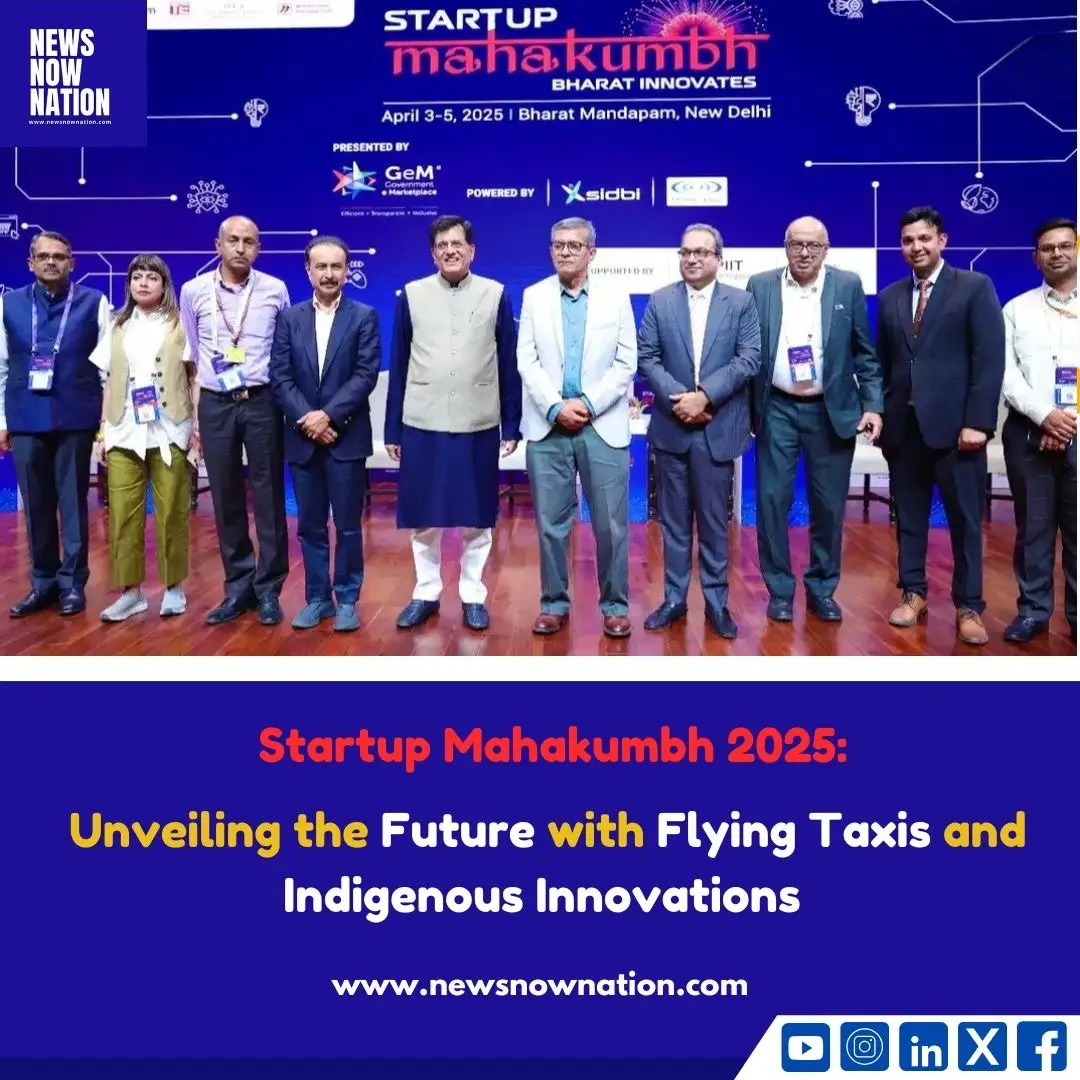
The vibrant energy of India’s startup ecosystem took center stage at Startup Mahakumbh 2025, held at Bharat Mandapam in New Delhi. With participation from over 1,200 startups, 70+ venture capital firms, and several government agencies, this three-day event emerged as South Asia’s largest startup gathering, uniting entrepreneurs, innovators, investors, and policy makers under one roof.
A Celebration of Innovation Across Sectors
Startup Mahakumbh 2025 was more than just a showcase — it was a living, breathing ecosystem of innovation. The event featured groundbreaking startups from across India, operating in sectors ranging from deep tech, artificial intelligence, agritech, and space tech, to social impact and tribal innovation.
A major highlight was the spotlight on emerging frontier technologies. Startups showcased flying taxis, autonomous delivery drones, and AI-driven urban solutions. These futuristic innovations signaled India’s ambition to leapfrog into global tech leadership in mobility and smart infrastructure.
But it wasn’t just high-tech grabbing attention. The event made room for startups from rural and tribal India, showcasing solutions rooted in tradition yet driven by modern enterprise. Products like eco-friendly bamboo packaging, herbal wellness solutions, and tribal crafts reflected how entrepreneurship is being harnessed to empower underrepresented communities.
Government Support and Encouragement
Union Commerce Minister Piyush Goyal was a prominent figure at the event, delivering a powerful address that underscored the government’s unwavering support for startups. He praised the efforts of young Indian entrepreneurs, stating, “Young India is raring to go and they are ready to capture the world.” He urged Indian investors to back homegrown startups, emphasizing that domestic capital must fuel India’s innovation journey
Goyal’s remarks came after his earlier comment on giving startups a “reality check,” which had sparked some political chatter. At Mahakumbh, however, he clarified that his words were intended to inspire reflection and improvement. He reiterated that he was extremely satisfied with the quality of innovation on display and encouraged startups to aim for global standards while retaining India-centric impact.
A Truly Inclusive Ecosystem
What made Startup Mahakumbh 2025 truly stand out was its inclusive approach. The event hosted dedicated tracks for:
- Student-led startups, offering budding entrepreneurs a national stage to pitch their ideas.
- Women entrepreneurs, with sessions on funding challenges and mentorship.
- Academia-industry collaborations, bridging the gap between research and commercial applications.
Special pavilions like Bharat Pavilion showcased startups from smaller cities and towns, underlining how India’s innovation wave is no longer limited to metro hubs.
Investor Participation and Business Opportunities
Over 70 venture capital firms attended the event, actively scouting for promising startups. Multiple pitching sessions, networking roundtables, and mentorship clinics allowed entrepreneurs to directly connect with potential investors. With sectors like clean energy, SaaS, agritech, and biotech drawing significant attention, many startups walked away with serious investor interest.
According to organizers, more than 20,000 visitors attended across three days, including policymakers, students, media, and corporate leaders. The massive footfall highlighted the growing public interest in startups and the importance of innovation to India’s economic future.
Looking Ahead
Startup Mahakumbh 2025 was not just an event — it was a statement. It reflected the vibrant, diverse, and ambitious nature of India’s startup ecosystem. From futuristic flying taxis to grassroots tribal tech, from college dorm-room ideas to scale-ready ventures, it celebrated every shade of entrepreneurship.
With the government’s strong backing, a rising culture of innovation, and increasing investor confidence, the stage is set for Indian startups to not only transform the domestic economy but also make a mark globally.

