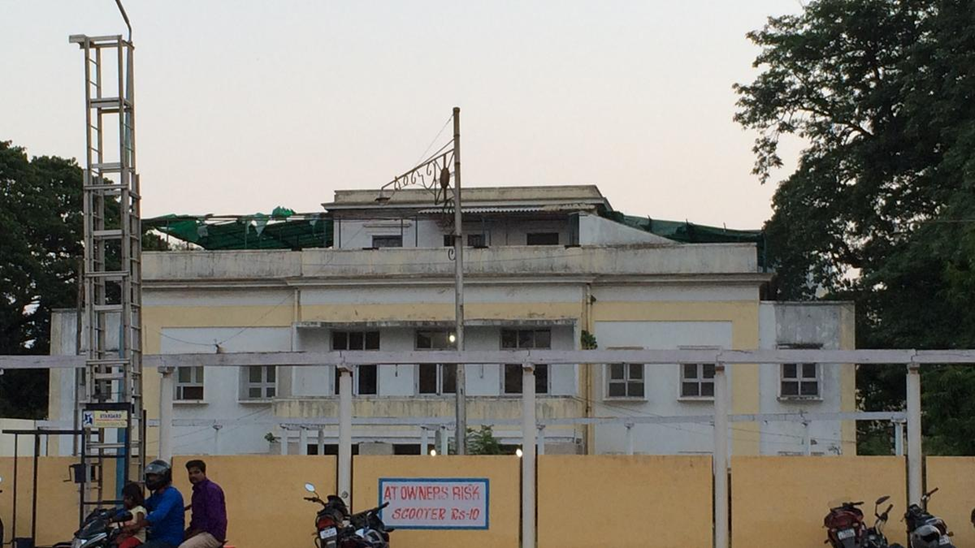
Preserving the Legacy of Cultural and Architectural Grandeur
The historic neighborhood of Chennai continues to reveal stories of its rich past, and one such fascinating narrative emerges from Royapettah—once home to aristocratic families and royal lifestyles that defined an era of elegance and cultural prominence. Today, while urbanization has transformed much of the city, remnants of these grand residences still stand as silent witnesses to a time when heritage, tradition, and architectural brilliance shaped everyday life.
Royapettah, now a bustling locality, was once known for its sprawling mansions and stately homes owned by influential families connected to royal lineages and elite administrative circles. These residences were not just homes but symbols of prestige, often designed with intricate detailing, expansive courtyards, and a blend of Indo-Saracenic and colonial architectural styles. The structures reflected both wealth and refined taste, showcasing craftsmanship that is rarely seen in modern constructions.
Over time, rapid urban development and rising real estate demand have led to the gradual disappearance of many such heritage homes. Several have been demolished to make way for commercial complexes and apartment buildings, while a few surviving structures remain in varying states of preservation. Despite these challenges, there is a growing awareness about the importance of conserving such sites, as they form an integral part of Chennai’s cultural identity.
The homes of Royapettah were not just architecturally significant but also culturally vibrant. They often served as hubs for social gatherings, cultural events, and intellectual discussions. Families residing in these houses played key roles in shaping the socio-political landscape of the region, contributing to education, administration, and community development. These residences, therefore, hold not just historical value but also stories of influence and legacy.
Architecturally, these homes were designed to suit the tropical climate while maintaining aesthetic appeal. High ceilings, large verandas, and open courtyards allowed for natural ventilation, while ornate pillars, wooden carvings, and decorative facades added to their grandeur. Many houses also featured traditional elements such as inner courtyards and prayer rooms, reflecting the cultural ethos of the time.
However, preserving such heritage structures is not without challenges. Maintenance costs, legal complexities, and lack of institutional support often discourage property owners from restoring these buildings. Additionally, modern infrastructure demands and changing lifestyles have made it difficult to retain the original character of these homes. As a result, the balance between development and conservation remains a critical issue.
Urban historians and conservationists have been advocating for stronger policies to protect heritage buildings in Chennai. They emphasize the need for documentation, restoration incentives, and public awareness to ensure that these architectural treasures are not lost forever. Heritage walks, cultural initiatives, and community engagement programs are gradually bringing attention to areas like Royapettah, encouraging people to appreciate and preserve their surroundings.
The story of Royapettah’s royal homes is not just about the past—it is also about the future. As cities continue to grow, the importance of integrating heritage into urban planning becomes increasingly significant. Preserving these structures can contribute to cultural tourism, educational opportunities, and a deeper understanding of history.
Moreover, such initiatives can inspire modern architecture to incorporate sustainable and climate-responsive design elements that were inherent in traditional constructions. By learning from the past, cities like Chennai can create a more balanced and culturally enriched urban environment.
The legacy of Royapettah serves as a reminder that progress does not have to come at the cost of heritage. Instead, it can be an opportunity to celebrate and preserve the stories that define a city’s identity. As awareness continues to grow, there is hope that these historic homes will receive the recognition and protection they deserve.
Follow for more updates regarding business related news in newsnownation.com.

