Discover a groundbreaking breakthrough: IIT Mandi’s Protein-Based Pork Tapeworm Vaccine. Learn how this innovative approach is revolutionizing disease prevention, combating *Taenia solium*, and offering hope for neglected tropical diseases. Read the full research paper now!
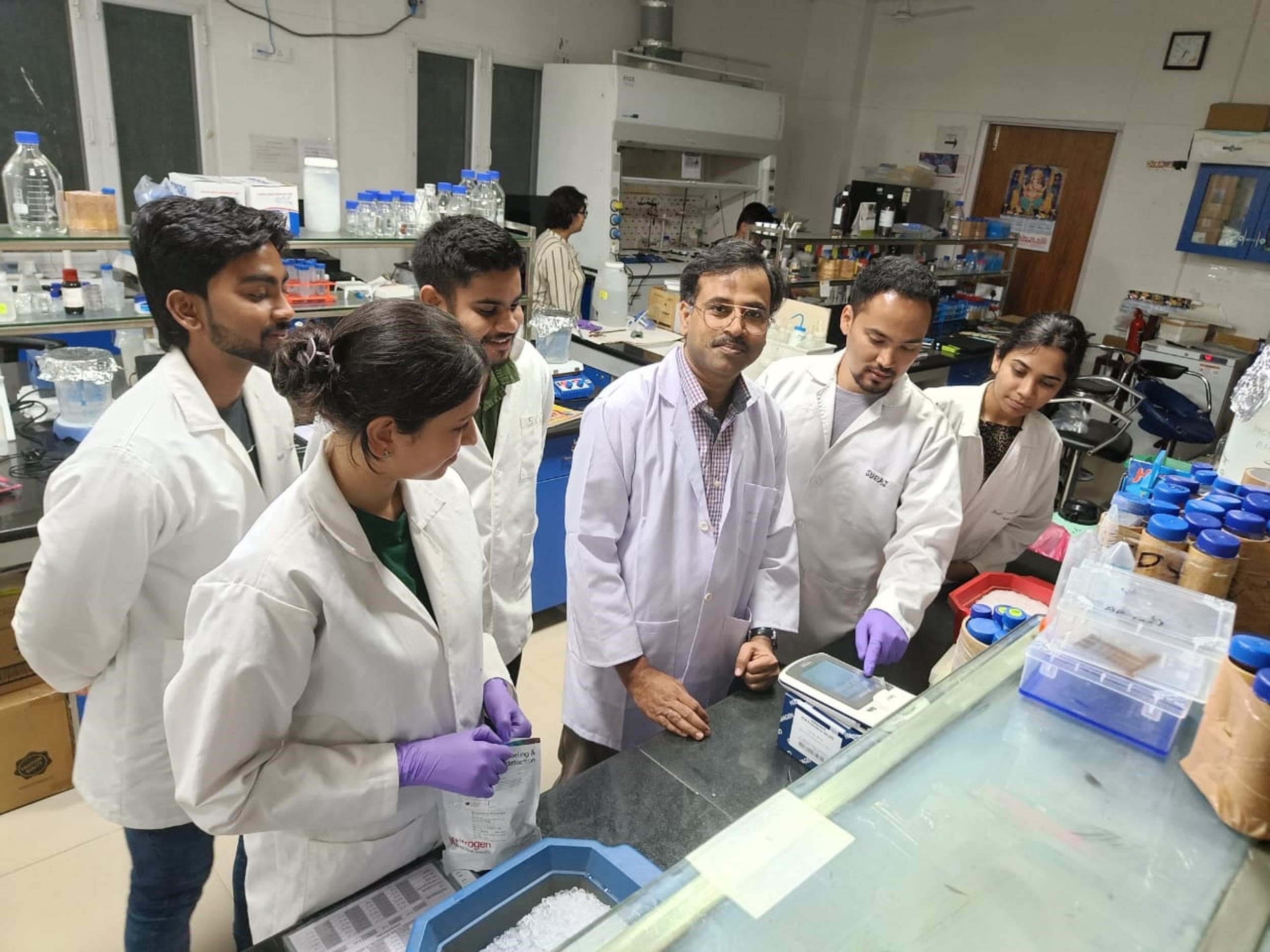
In a groundbreaking development in the field of infectious disease research, scientists at the Indian Institute of Technology (IIT) Mandi, led by Dr. Amit Prasad, Associate Professor at the School of Biosciences and Bioengineering, have made significant strides in the quest for a vaccine against the pork tapeworm, scientifically known as *Taenia solium*. This parasitic worm is responsible for both intestinal infections and severe brain infections leading to seizures. Collaborating with researchers from Dayanand Medical College and Hospital in Punjab and the CSIR-Institute for Himalayan Bioresource Technology in Himachal Pradesh, their innovative approach promises a faster and more effective means of tackling this challenging infectious disease.
The Significance of Pork Tapeworm
The World Health Organization (WHO) recognizes the pork tapeworm as a major cause of foodborne deaths and a significant contributor to disability-adjusted life year losses. It is alarming to note that this parasitic menace is responsible for 30% of epilepsy cases in developing nations, rising to a staggering 45%-50% in areas marked by poor hygiene and free-roaming pigs. In North India, the prevalence of brain infection stands at a daunting 48.3%. To address this public health crisis, WHO’s “2030 Roadmap of Priority Neglected Tropical Diseases” aims to combat *T. solium* and similar infections, which afflict 1.5 billion people worldwide.
Challenges in Deworming
Traditionally, the mass distribution of deworming drugs like Albendazole and Praziquantel has been a common strategy. However, this approach has encountered its share of challenges, including reduced public participation and an increased risk of drug resistance, resulting in limited success. Given these hurdles, Dr. Amit Prasad and his team emphasized the urgent need for a more effective solution – a vaccine against the pork tapeworm.
Protein-Based Vaccine: A Promising Approach
Traditional tapeworm vaccines have often relied on products or antigens derived from tapeworm eggs or larvae. However, these methods are not always reliable and can be time-consuming. Injecting the entire tapeworm or parts of it to activate the body’s immune system is neither safe nor practical. A safer and more effective approach is to inject specific protein fragments from the tapeworm into the human body. This minimizes side effects and prevents the tapeworm from developing resistance to the vaccine.
Pioneering Research
Identifying the right protein fragment with strong vaccination potential is a meticulous and time-consuming process. To expedite progress in tapeworm vaccine development, IIT Mandi researchers combined protein studies and bioinformatics. Dr. Amit Prasad explained, “First, we identified specific antigens from the cyst fluid of the tapeworm that trigger an immune response by testing them with the blood serum from patients. Then, we analyzed these antigens using immune-informatics tools to find safe and effective protein fragments. We combined these fragments to create a multi-part vaccine, considering factors such as size, stability, and compatibility with the immune system.”
A Promising Future
The researchers have confirmed that the vaccine effectively interacts with immune receptors and should efficiently stimulate the body’s defense system. This research lays the foundation for developing vaccines against neglected tropical diseases caused by similar parasites in the future. However, it’s essential to note that further animal and clinical studies are required to assess the safety and efficacy of this promising vaccine candidate.
A Paradigm Shift in Vaccine Development
The fusion of protein studies with bioinformatics represents a groundbreaking approach to identifying potential protein-based vaccines in a cost-effective and timely manner. This focused effort may provide a new tool for healthcare workers to combat neurocysticercosis and could serve as a model for addressing other neglected tropical diseases.
Conclusion
In a world where infectious diseases continue to pose significant threats to public health, the innovative research conducted by Dr. Amit Prasad and his team at IIT Mandi offers hope. Their pursuit of a protein-based vaccine for the pork tapeworm not only addresses a pressing global health issue but also showcases the potential of interdisciplinary collaboration and cutting-edge technology in the fight against neglected tropical diseases.
For more detailed information about this research, you can access the full paper published in the USA’s Journal of Cellular Biochemistry
About IIT Mandi
IIT Mandi comprises nine Academic Schools and five major Research Centers, offering a range of academic programs and contributing significantly to research and innovation in various fields. From engineering to biosciences, IIT Mandi stands at the forefront of scientific advancements and academic excellence.

