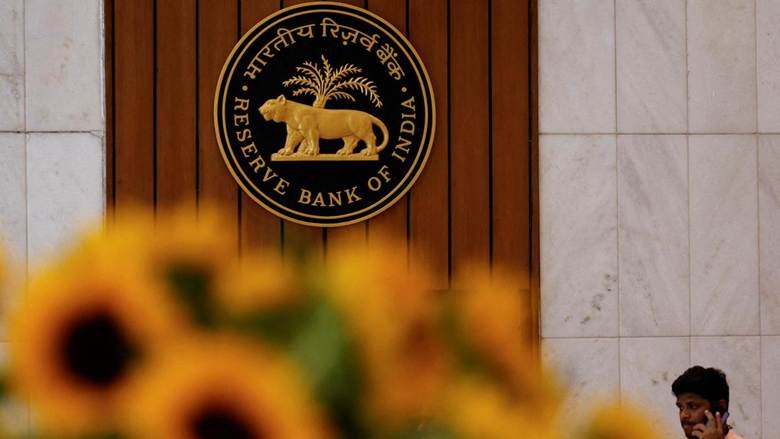
Key Update and Policy Context
The Reserve Bank of India (RBI) has decided to defer the implementation of its revised directions on capital market exposures by three months, pushing the deadline to July 1, 2026. The move comes as a significant relief to banks and financial institutions that had raised concerns over the operational and compliance challenges associated with the new framework.
The decision reflects the central bank’s responsive approach toward industry feedback while ensuring that regulatory objectives are achieved without causing disruption in the financial system. The revised norms are aimed at strengthening risk management practices and improving transparency in banks’ exposure to capital markets.
The original guidelines were part of RBI’s broader effort to streamline regulations governing how banks invest in and lend against capital market instruments. These include equities, bonds and other market-linked securities. By tightening exposure norms, the RBI seeks to reduce systemic risks and prevent excessive concentration in volatile market segments.
However, industry stakeholders had requested additional time to align their systems, processes and reporting mechanisms with the new requirements. Banks highlighted that the implementation involved complex adjustments in internal risk assessment models and compliance frameworks.
Taking these concerns into account, the RBI has now extended the deadline, allowing financial institutions more time to prepare for a smooth transition. The deferment is expected to ease immediate pressure on banks while maintaining the long-term goal of regulatory strengthening.
The capital market exposure norms are crucial because they determine how much risk banks can take when dealing with market-linked assets. These rules are designed to ensure that banks maintain a balanced portfolio and do not overexpose themselves to sectors that are subject to high volatility.
The updated framework introduces stricter definitions and classifications of exposures, along with enhanced disclosure requirements. It also aims to improve monitoring mechanisms and ensure better alignment with global regulatory standards.
Industry experts believe that the RBI’s decision to delay implementation demonstrates a pragmatic approach. While regulatory tightening is necessary, it must be introduced in a manner that allows institutions to adapt without compromising operational efficiency.
The deferment also comes at a time when the financial markets are experiencing fluctuations due to global economic uncertainties. Providing additional time to banks could help maintain stability and avoid any unintended disruptions in lending or investment activities.
Banks are now expected to use this extended timeline to upgrade their systems, train personnel and refine risk management strategies. The additional three months will allow them to conduct thorough testing and ensure full compliance with the new norms.
From a broader perspective, the move highlights the RBI’s role as both a regulator and a facilitator of economic stability. By balancing strict regulatory oversight with industry concerns, the central bank aims to foster a resilient and well-functioning financial ecosystem.
The capital markets play a critical role in India’s economic growth by enabling companies to raise funds and investors to participate in wealth creation. Ensuring that banks operate within a well-defined risk framework is essential for maintaining confidence in the system.
At the same time, sudden or poorly timed regulatory changes can create challenges for financial institutions, potentially affecting credit flow and market sentiment. The RBI’s decision helps mitigate such risks by providing a buffer period for adjustment.
Financial analysts have noted that while the deferment offers short-term relief, banks must not delay their preparation efforts. The revised norms are expected to be implemented from July 1 without further extension, making it crucial for institutions to be fully ready.
The development has also been positively received by market participants, as it reduces immediate uncertainty and allows for a more structured transition. Investors and stakeholders are likely to view the move as a sign of regulatory stability and responsiveness.
Looking ahead, the implementation of these norms is expected to strengthen the overall financial system by promoting disciplined lending and investment practices. It will also enhance the ability of regulators to monitor and manage risks more effectively.
In conclusion, the RBI’s decision to defer the implementation of capital market exposure norms reflects a balanced approach to regulation. By giving banks additional time, the central bank ensures that the transition is smooth and well-prepared, while continuing to pursue its objective of strengthening financial stability.
Follow for more updates regarding business related news in newsnownation.com.
