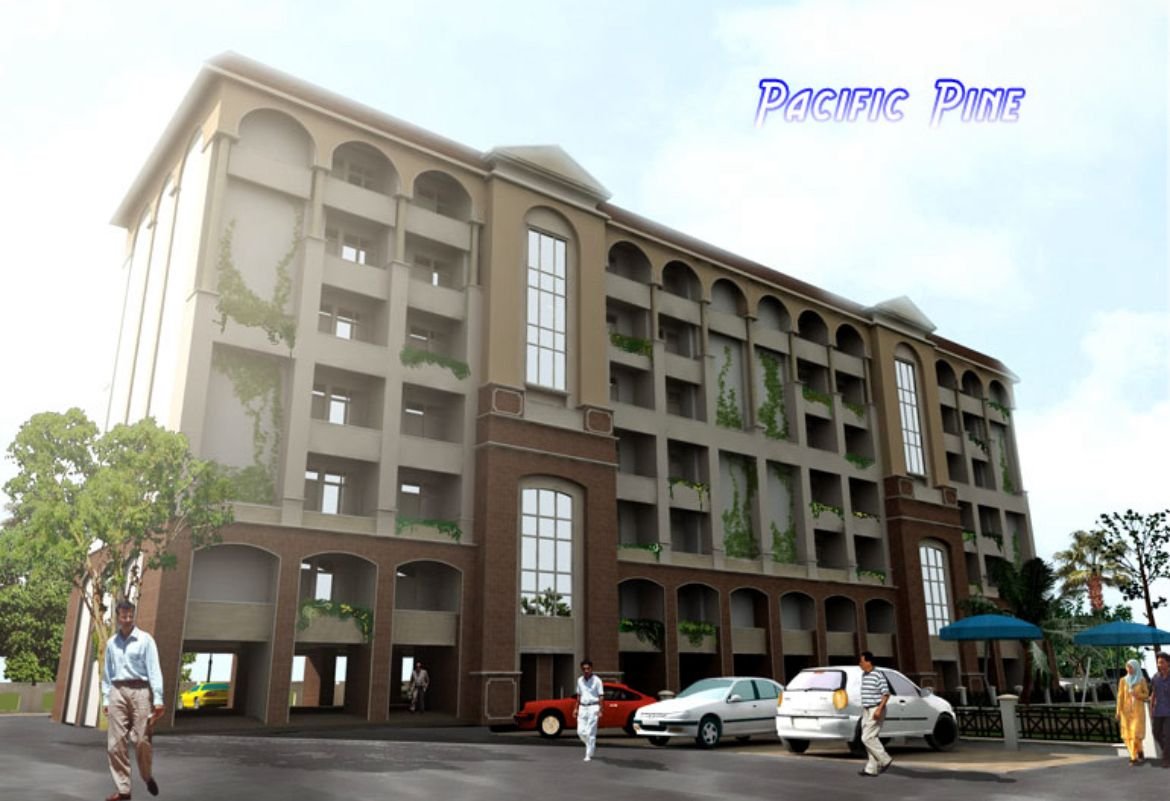
When the residents of Parthivi Pacific Society in Raipur decided to rethink their rising electricity bills, they chose a different path. Instead of installing individual rooftop panels, they collectively built a shared rooftop solar plant using Virtual Net Metering (VNM) under the PM Surya Ghar Muft Bijli Yojana. This made them India’s first residential society to successfully implement a community solar model at scale.
Parthivi Pacific is a modern apartment complex with limited rooftop space per flat. But 20 families came together with a shared vision. They proposed a single central rooftop solar plant that would digitally distribute power units to each participating household. This transformed their rooftop into a shared community energy asset.
The project cost was around ₹24 lakh under the CAPEX model. Each family contributed roughly ₹1.20 lakh before subsidies. With central and state government support (around ₹78,000 from the Centre and ₹30,000 from the State per household), the effective investment became significantly lower while giving residents full ownership of the system.
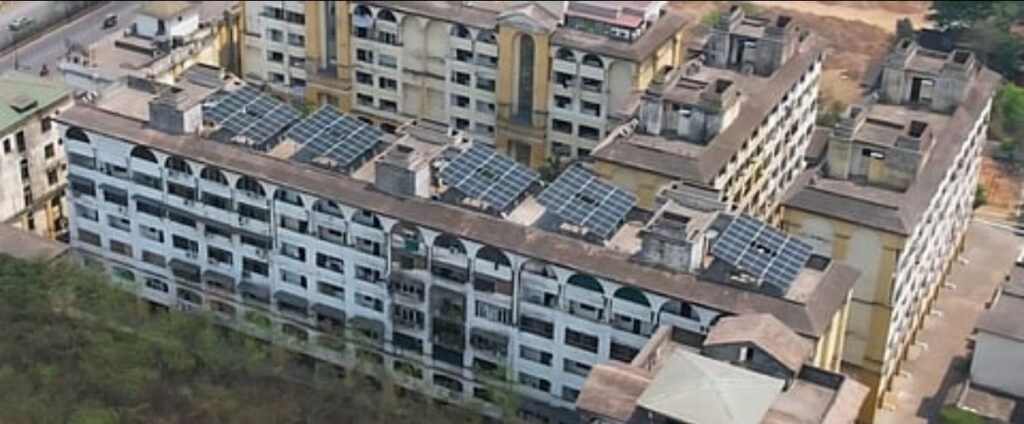
Virtual Net Metering became the turning point. The solar plant exported power to one central meter, and the distribution company allocated generation credits to all participating flats. Monthly bills dropped sharply—many residents saw their bills fall from ₹2,500–₹3,000 to around ₹200–₹300. With an average of nearly 300 clean units per home, the project delivered major financial and environmental benefits.
This Raipur model has now become a national case study, proving that shared solar works exceptionally well for high-rise apartments. Societies across India—including in Uttar Pradesh, Delhi NCR, Rajasthan, Telangana, and Madhya Pradesh—can replicate this model. It makes solar accessible even when individual rooftop space is limited.
Panacea Solar Power is now preparing to implement similar Shared Rooftop + VNM projects across Uttar Pradesh. Societies in Prayagraj, Lucknow, Varanasi, Kanpur, Noida, Ghaziabad, and other cities can benefit from this proven model.
Panacea Solar Power offers free rooftop feasibility studies, per-flat savings simulations, complete subsidy support under PM Surya Ghar, full installation and commissioning, AMC, and long-term system monitoring. The goal is simple: help every society adopt clean, affordable, community-powered solar energy.
If you are part of a housing society, RWA, or builder group and want to explore shared solar, Panacea Solar Power can prepare a free feasibility report for your society. Your society could be the next clean-energy success story.
#NewsNowNation #PanaceaSolarPower #SharedSolar #VirtualNetMetering #PMSuryaGhar #RooftopSolarIndia #SolarForSocieties #SolarEnergyIndia #CleanEnergyMovement #SolarUP #GreenHousingIndia #ApartmentSolar #CommunitySolar #SolarRevolution #SustainableLiving #EnergyIndependence #IndiaRenewableEnergy #SolarSubsidyIndia #HousingSocietySolar #UPSolarProjects #SolarCaseStudy #NetMeteringIndia #GreenFutureIndia

