Why R. Madhavan’s Remarks on Film Residuals Have Sparked a Fresh Debate in the Indian Entertainment Industry
Actor R. Madhavan has reignited an important discussion about the financial structure of the Indian film industry after speaking about the absence of residual payments in Bollywood. The acclaimed actor, known for delivering memorable performances in blockbuster films such as 3 Idiots, Rang De Basanti, and Tanu Weds Manu, stated that if India followed Hollywood’s residual payment system, the earnings from these three films alone would have been enough to financially support generations of his family. His comments have once again brought attention to the long-standing difference between how artists are compensated in Hollywood and Bollywood.
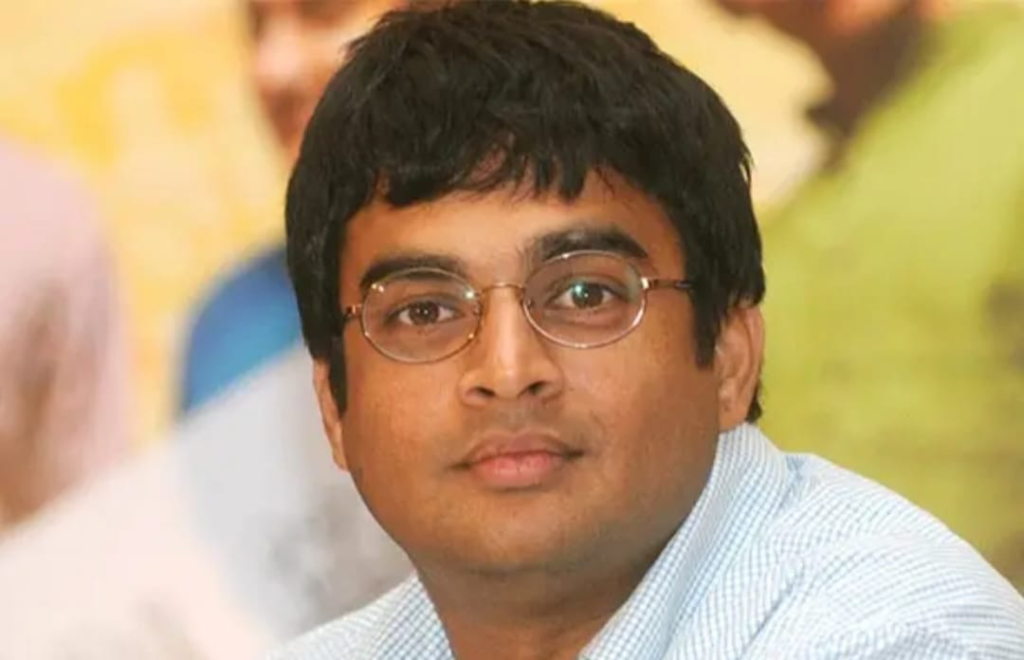
The statement quickly gained traction across social media and entertainment circles because it highlights a reality that many actors, writers, technicians, and creative professionals in India have quietly discussed for years. While blockbuster films often generate revenue through theatrical releases, television rights, digital streaming platforms, overseas distribution, and satellite broadcasts, the performers who helped make these films successful generally do not continue earning from these repeated commercial exploitations unless they have specific contractual agreements.
Madhavan explained that Hollywood follows a system where actors receive residual payments whenever films or television projects continue generating revenue through reruns, streaming, licensing, or syndication. These recurring payments provide long-term financial security and allow performers to continue benefiting from the commercial success of projects they contributed to. According to the actor, such a system encourages artists to take creative risks because they are not entirely dependent on securing their next project for financial stability.
Speaking during an earlier interview that has resurfaced following renewed public interest, Madhavan noted that if a similar structure existed in India, films like 3 Idiots, Rang De Basanti, and Tanu Weds Manu would have generated enough recurring income to support multiple generations of his family, provided the earnings were managed responsibly. His observation was not merely about personal wealth but about how compensation models influence career choices and long-term security for creative professionals.
Residual payments are a standard practice in Hollywood, particularly for productions covered under union agreements. Every time eligible films or television shows are licensed, streamed, rebroadcast, or distributed through additional platforms, performers receive compensation based on negotiated contracts. These payments may continue for years after the original release, creating a sustainable income stream even when artists are not actively working on new projects.
In contrast, Bollywood largely follows a one-time payment structure. Most actors receive a fixed remuneration or profit-sharing agreement negotiated before production or release. Once the agreed payment is completed, they usually do not receive additional compensation from future commercial exploitation unless they have ownership stakes in the production or specially negotiated backend deals.
Madhavan also discussed how this financial difference affects career decisions. According to him, artists working within a system that provides long-term financial protection are more willing to experiment with unconventional stories and challenging characters. Without recurring income, many performers naturally become cautious, preferring commercially safe projects that guarantee immediate financial returns over creatively risky ventures.
The actor also referred to superstar Shah Rukh Khan’s journey as a producer while discussing financial independence within the entertainment industry. He explained that leading actors who become producers often gain greater control over profits because they participate in multiple revenue streams beyond acting fees. However, Madhavan clarified that this path is not practical for every actor since producing films requires substantial financial resources, industry influence, and business expertise.
Another example highlighted during the discussion involved veteran actor Amrish Puri. Madhavan mentioned reports that Puri continued receiving payments related to his Hollywood appearance in Steven Spielberg’s Indiana Jones and the Temple of Doom. He used this comparison to illustrate how international compensation models can continue rewarding artists decades after a film’s release, whereas similar opportunities remain uncommon within India’s film ecosystem.
The renewed discussion has generated widespread conversations among filmmakers, producers, actors, and industry observers regarding whether Bollywood should gradually adopt a more structured residual payment system. As streaming platforms continue expanding across India and digital distribution becomes a dominant source of entertainment consumption, many believe revenue-sharing models may eventually evolve to better reflect the changing economics of the industry.
The rise of OTT platforms has transformed how films generate revenue. Earlier, theatrical collections were considered the primary source of income. Today, movies continue earning through streaming rights, international licensing, television premieres, airline entertainment systems, and digital rentals. This shift has encouraged many industry experts to argue that performers should also receive compensation linked to the continuing commercial life of successful projects.
While major stars sometimes negotiate profit-sharing arrangements, such opportunities remain limited for supporting actors, writers, editors, cinematographers, musicians, costume designers, and other creative contributors. A standardized residual system could potentially create a more equitable financial structure across different categories of entertainment professionals.
Industry experts also point out that introducing residual payments in India would require significant changes in production contracts, accounting transparency, revenue reporting, distribution agreements, and legal frameworks. Since Bollywood has historically operated differently from Hollywood, implementing such reforms would require cooperation among production houses, distributors, streaming platforms, artist associations, and regulatory bodies.
Despite these challenges, the conversation initiated by Madhavan reflects broader changes taking place within the entertainment business. As Indian cinema expands globally and digital consumption continues to grow, questions surrounding fair compensation, intellectual property, revenue sharing, and artist welfare are becoming increasingly relevant.
Madhavan’s comments have therefore resonated beyond the film fraternity. They have highlighted an issue that directly connects creativity with financial sustainability. Many observers believe that ensuring long-term compensation for artists could strengthen the overall entertainment ecosystem by allowing creators to pursue ambitious stories without being driven solely by immediate commercial returns.
Whether Bollywood eventually adopts a formal residual payment system remains uncertain. However, the debate has once again drawn attention to evolving business models within the global entertainment industry. As audiences consume films across multiple platforms long after their theatrical release, discussions about equitable revenue sharing are expected to become even more significant in the years ahead.
Follow NewsNowNation.com for more updates regarding business-related news and the latest developments from across industries.
