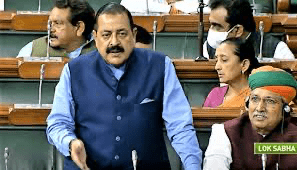
In a significant move to address the rampant issue of malpractices and irregularities in competitive examinations, the Indian government has introduced the Public Examinations (Prevention of Unfair Means) Bill, 2024. This groundbreaking legislation, presented in Lok Sabha by Union Minister Jitendra Singh, marks a pivotal step towards ensuring greater transparency, fairness, and credibility in the nation’s public examination systems.
The pressing need for such a legislative measure became apparent in the aftermath of several competitive exam cancellations, including the teacher recruitment exam in Rajasthan, Common Eligibility Test (CET) for Group-D posts in Haryana, recruitment exam for junior clerks in Gujarat, and constable recruitment examination in Bihar. These cancellations were prompted by question paper leaks, revealing vulnerabilities that the new bill aims to address comprehensively.
Objectives of the Public Examinations (Prevention of Unfair Means) Bill, 2024
1. Maximum Deterrence Against Malpractices
The bill seeks to act as a formidable deterrent against organized gangs, mafia elements, and individuals involved in malpractices without unfairly targeting students. Recognizing the severity of the issue, the bill proposes a maximum jail term of 10 years and a substantial fine of up to ₹1 crore for offenders. This stern approach is designed to discourage any attempts to compromise the integrity of competitive examinations.
2. Constitution of a National Technical Committee
The legislation proposes the formation of a high-level national technical committee specifically focused on public examinations. This committee will play a pivotal role in making recommendations to enhance the security of computerized examination processes. Its mandate includes developing protocols for securing digital platforms, ensuring foolproof IT security systems, implementing electronic surveillance of examination centers, and formulating national standards and services for both IT and physical infrastructure related to the conduct of competitive examinations.
3. Addressing Impersonation and Paper Leaks
One of the key objectives of the bill is to deter nefarious elements from using impersonation methods and indulging in activities such as paper leaks. By establishing a stringent legal framework and introducing severe penalties, the legislation aims to eradicate these malpractices and safeguard the sanctity of the examination process.
4. Ensuring Fair Rewards for Sincere Efforts
Central to the bill’s objectives is instilling confidence in the youth that their sincere efforts will be fairly rewarded. By creating a system that actively combats malpractices, the legislation endeavors to assure students that their dedication and hard work will not be undermined by dishonest practices.
Implementation Mechanisms
To achieve these ambitious objectives, the bill outlines a comprehensive plan of action:
1. National Technical Committee
The formation of the national technical committee signifies a proactive approach towards addressing the challenges posed by digital advancements and ensuring the integrity of computerized examination processes. This committee’s expertise will be instrumental in developing foolproof security measures and setting national standards for examination infrastructure.
2. Electronic Surveillance and Protocols
The bill emphasizes the importance of electronic surveillance of examination centers to curb malpractices effectively. Additionally, it calls for the development of robust protocols to secure digital platforms, protecting them from unauthorized access and potential leaks.
3. Deterring Malicious Elements
The bill is unequivocal in its stance against organized gangs, mafia elements, and individuals engaging in malpractices. By imposing severe penalties, including a significant jail term and substantial fines, the legislation sends a clear message that attempts to compromise the sanctity of examinations will be met with severe consequences.
4. Youth Confidence and Assurance
Recognizing the concerns of the youth regarding irregularities in examinations, the bill seeks to address these apprehensions through the enactment of stringent laws. This legal framework is designed not only to punish wrongdoers but also to provide reassurance to students that their future endeavors will be protected from dishonest practices.
Presidential Acknowledgment in Prevention of Unfair Means Bill, 2024
President Droupadi Murmu, in her joint address to both houses of Parliament at the beginning of the Budget session on January 31, underscored the government’s awareness of the youth’s concerns regarding examination irregularities. She affirmed that enacting a new law was deemed necessary to deal sternly with malpractices, laying the groundwork for the subsequent introduction of the Public Examinations (Prevention of Unfair Means) Bill, 2024.
The unveiling of this bill represents a proactive and decisive step by the Indian government to safeguard the integrity of competitive examinations. By addressing malpractices comprehensively, enacting severe penalties, and establishing mechanisms for enhanced security, the legislation aims to restore confidence in the examination system. As it progresses through the legislative process, the bill holds the promise of fostering a fair, transparent, and merit-based environment for India’s aspiring youth.

