A Grand Roadshow Showcasing Public Support and Strategic Vision
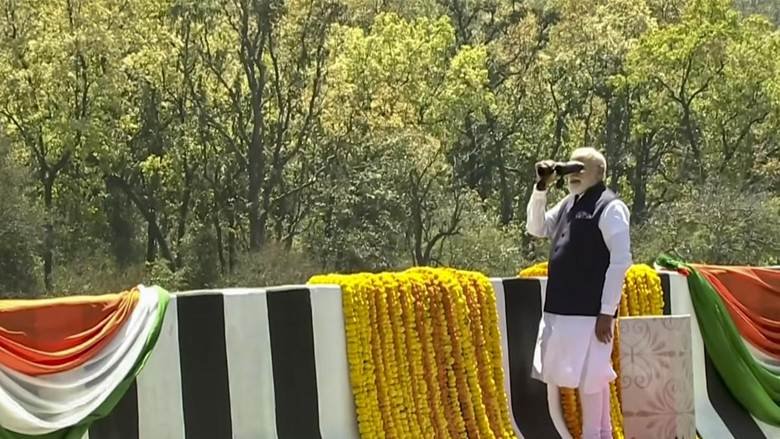
Prime Minister Narendra Modi’s visit to Dehradun on April 14, 2026, turned into a massive public outreach event as he conducted a high-energy roadshow ahead of inaugurating the much-awaited Delhi-Dehradun Expressway. Thousands of people lined the streets, waving flags and greeting the Prime Minister, reflecting strong public enthusiasm and political significance attached to the visit. The roadshow stretched across several kilometers, highlighting not just a ceremonial engagement but also a strategic communication effort to connect with citizens directly.
The Prime Minister also visited the revered Datkali Temple before the roadshow, adding a cultural and spiritual dimension to the event. His journey from the temple to the main venue was marked by continuous interaction with the public, indicating the importance of this project in the region’s socio-political landscape.
Delhi-Dehradun Expressway: A Game-Changing Infrastructure Project
The Delhi-Dehradun Expressway, inaugurated on the same day, is being seen as one of India’s most significant infrastructure developments in recent years. Built at an estimated cost of over ₹12,000 crore, the 210–213 km long access-controlled highway connects Delhi, Uttar Pradesh, and Uttarakhand seamlessly.
This expressway is designed to reduce travel time between Delhi and Dehradun drastically—from around 6 hours to just 2.5 hours—making it a transformative project for commuters and businesses alike.
The highway is equipped with advanced features such as multiple interchanges, underpasses, bridges, and modern traffic management systems. It also includes dedicated entry and exit points to ensure smooth vehicular movement, reducing congestion and enhancing road safety.
Environmental Innovation and Sustainable Development
One of the most notable aspects of the Delhi-Dehradun Expressway is its environmentally conscious design. The project includes a 12-kilometer elevated wildlife corridor passing through the Rajaji National Park, making it one of the longest such corridors in Asia.
This initiative aims to minimize human-animal conflict by allowing safe passage for wildlife, including elephants, while maintaining uninterrupted traffic flow. Additionally, the project features multiple animal crossings and eco-sensitive infrastructure, setting a benchmark for sustainable highway construction in India.
Such measures underline the government’s attempt to balance rapid infrastructure growth with ecological preservation, a critical requirement in modern development planning.
Economic Impact and Business Opportunities
The expressway is expected to bring significant economic benefits to the region. By improving connectivity between Delhi and Uttarakhand, it will boost tourism, especially to popular destinations like Dehradun, Mussoorie, and nearby hill stations.
Moreover, the improved logistics and reduced travel time will enhance trade efficiency, benefiting industries, small businesses, and transport networks. The corridor is likely to open new investment opportunities, particularly in real estate and hospitality sectors along the route.
Experts believe that infrastructure projects like this act as catalysts for regional economic growth, creating employment opportunities and encouraging urban development in previously underserved areas.
Political Context and Public Messaging
The inauguration and roadshow also carry strong political undertones. While the event showcased development achievements, it also drew attention from opposition parties, who raised questions regarding governance and regional issues ahead of the visit.
Despite political debates, the focus remained on infrastructure development and its long-term benefits. During his address, Prime Minister Modi emphasized that highways and expressways are the “lifelines of development,” reinforcing the government’s commitment to modernization and connectivity.
The roadshow itself served as a platform to engage directly with citizens, strengthening the narrative of inclusive development and participatory governance.
Boost to Tourism and Regional Connectivity
The Delhi-Dehradun Expressway is expected to significantly boost tourism in Uttarakhand. With reduced travel time, weekend travel from Delhi to Dehradun and nearby destinations will become more convenient, attracting a larger number of visitors.
This improved accessibility will benefit local businesses, hotels, and tourism operators, creating a ripple effect across the regional economy. Additionally, the expressway will enhance connectivity to pilgrimage routes and other important locations, further strengthening Uttarakhand’s position as a key tourism hub.
A Step Towards India’s Infrastructure Future
The Delhi-Dehradun Expressway is not just a standalone project but part of a broader vision to modernize India’s infrastructure. It reflects the government’s focus on high-speed corridors, smart transportation systems, and sustainable development practices.
With features like advanced traffic management systems, eco-friendly construction, and improved safety measures, the expressway sets a new standard for future highway projects in the country.
As India continues to invest in infrastructure, projects like this will play a crucial role in driving economic growth, improving connectivity, and enhancing the quality of life for citizens.
Conclusion
Prime Minister Narendra Modi’s roadshow in Dehradun and the inauguration of the Delhi-Dehradun Expressway mark a significant milestone in India’s development journey. The project not only reduces travel time but also opens new avenues for economic growth, tourism, and sustainable infrastructure development.
With its blend of technological advancement, environmental sensitivity, and economic potential, the expressway stands as a symbol of India’s progress toward a more connected and developed future.
Follow for more updates regarding business-related news on newsnownation.com
