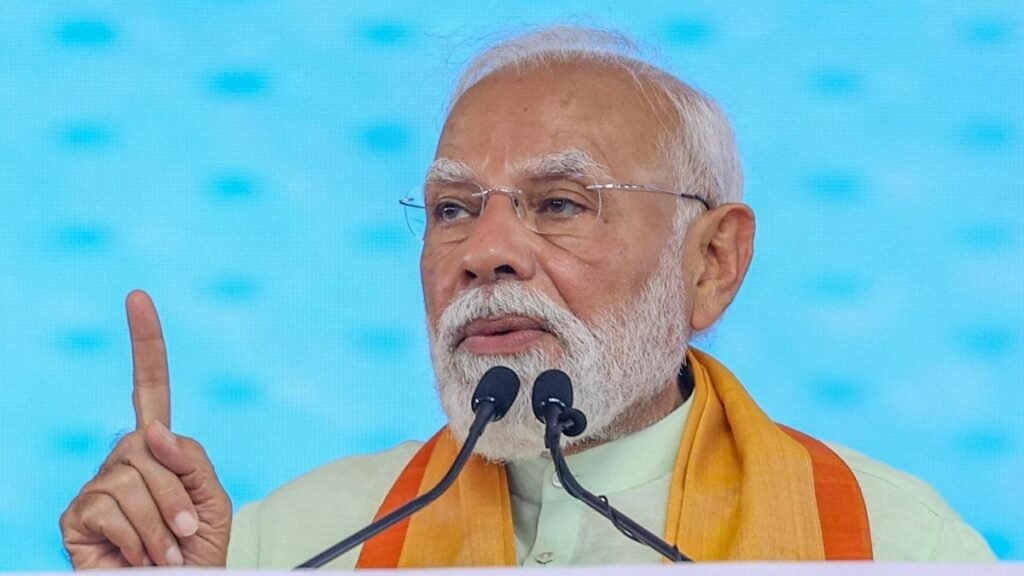
Prime Minister Narendra Modi engaged in a high-level diplomatic telephone conversation with Israeli Prime Minister Benjamin Netanyahu on March 2, 2026, focusing on the rapidly evolving situation in West Asia following recent military escalations in the region. The call underlines India’s diplomatic engagement and its broader interest in promoting stability, peace, and civilian safety amidst mounting tensions between key regional actors.
The exchange came as conflict dynamics in the Middle East intensified after coordinated military strikes by Israel and the United States in Iran, which have raised concerns over broader regional escalation. In his conversation, Prime Minister Modi conveyed India’s concerns over the “recent developments” while emphasizing the importance of an early cessation of hostilities and prioritizing civilian safety above all.
Modi’s outreach to Netanyahu reflects India’s proactive diplomatic posture amid uncertainty and instability in West Asia, a region with deep economic, strategic, and human links to the Indian subcontinent. Millions of Indian expatriates live and work in Gulf states and other parts of the region, making peace and security a matter of practical importance for India’s foreign policy.
During the call, the Prime Minister stressed the necessity of preventing a wider escalation of hostilities that could further jeopardize regional peace. He underscored that any conflict expansion would come at tremendous human cost and potentially disrupt global economic and energy supply chains. With oil and trade risks already surfacing due to disruptions near critical waterways such as the Strait of Hormuz, India faces mounting concerns in protecting its energy security and broader trade interests amid the ongoing crisis.
The call also reflects a delicate balancing act in India’s diplomatic calculus. Traditionally, New Delhi has pursued a policy of strategic autonomy — maintaining friendly relations with both Israel and Iran while advocating for dialogue and peaceful resolution of disputes. The recent engagement with Israel must be seen in light of this broader approach that seeks to avoid direct confrontation while maintaining open channels with key regional powers.
India’s communication with regional players comes alongside other measures. Indian embassies across West Asia have issued updated advisories urging nationals to stay vigilant and to avoid unnecessary travel, highlighting the importance of preparedness in uncertain times. Emergency contact numbers and guidance for Indians abroad have been shared, reflecting active attention to citizen safety.
At the same time, local governments within India are also responding to evolving developments. For example, Odisha authorities, in coordination with the Centre, are reportedly focused on bringing back Odias stranded in parts of West Asia affected by the tensions. This collaborative approach underscores the complexity of India’s responsibilities — both diplomatic and humanitarian — as it navigates the evolving crisis.
India’s strategic diplomacy in West Asia is not limited to Israel. In recent days, PM Modi has also held talks with leaders from the United Arab Emirate s, condemning attacks on civilians and reiterating India’s solidarity with affected partners. Such dialogues demonstrate India’s broader concerns about regional instability and its implications for peace, security, and commerce.
Observers note that India’s role in West Asia is increasingly significant, given the region’s centrality in global energy markets, diaspora presence, and geopolitical flux. The two-day visit by PM Modi to Israel just days earlier highlighted deepening bilateral ties and talked about future cooperation across areas such as defence, technology, and trade. However, the simultaneous commitment to urging de-escalation reflects India’s overarching priority of maintaining peace and stability in an environment fraught with conflict risks.
India’s diplomatic interventions demonstrate a nuanced strategy — engaging with key partners while calling for restraint and humanitarian sensitivity. As tensions continue to unfold, New Delhi’s voice in global fora and bilateral channels may influence pathways toward dialogue, conflict mitigation, and long-term stability. Amid these developments, the emphasis remains on ensuring that the safety of civilians and international peace takes precedence over escalation and confrontation.
