Government Defends E20 Fuel Policy as Debate Over Ethanol-Blended Petrol Continues
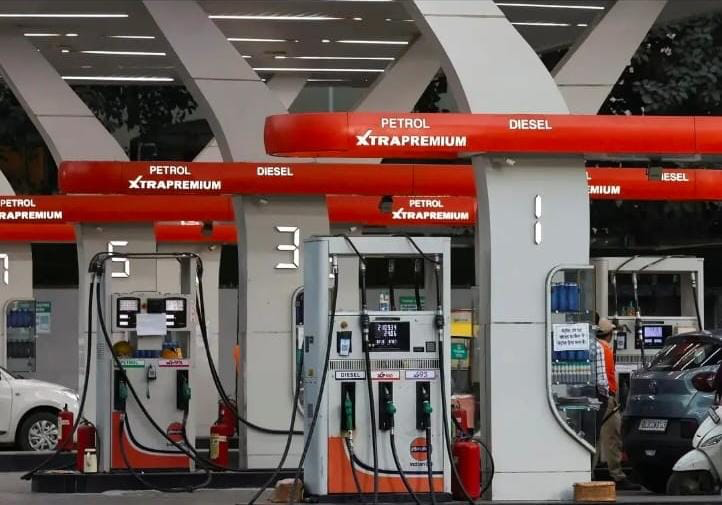
Union Road Transport and Highways Minister Nitin Gadkari has stated that consumers who do not wish to use ethanol-blended petrol will have the option to purchase 100% petrol, but it will come at a higher price. His remarks come amid an ongoing public debate over India’s nationwide implementation of E20 petrol and concerns raised by some vehicle owners regarding fuel efficiency, engine compatibility, and long-term maintenance. The statement reinforces the government’s commitment to expanding ethanol blending while also indicating that premium-priced pure petrol could remain available for those who prefer it.
India has made significant progress in its ethanol blending programme over the past few years. The government has successfully achieved nearly 20% ethanol blending in petrol, making E20 fuel available across fuel stations in the country. This initiative forms a major part of India’s long-term energy security strategy, aiming to reduce dependence on imported crude oil, lower carbon emissions, and provide better income opportunities for farmers through increased demand for agricultural products used in ethanol production.
Addressing questions regarding the possibility of bringing back lower ethanol blends such as E10, Gadkari reportedly questioned the feasibility of such a move after the country had already established nationwide E20 availability. According to the minister, reversing the progress made under the ethanol blending programme would not be practical after the infrastructure and fuel distribution systems have already been aligned with the new policy.
The minister’s comments come at a time when discussions around E20 fuel have intensified across India. Several motorists have expressed concerns about whether older vehicles are fully compatible with higher ethanol blends. Some users have also claimed that E20 fuel may lead to lower mileage compared to conventional petrol, while others have questioned the long-term impact on engine performance. Automobile manufacturers have generally recommended that vehicle owners follow the fuel compatibility guidelines provided for their specific models, especially in the case of older vehicles manufactured before widespread E20 compatibility became standard.
The central government, however, has consistently defended the ethanol blending programme by highlighting its environmental and economic benefits. Officials maintain that ethanol-blended fuel helps reduce greenhouse gas emissions, improves energy security by lowering crude oil imports, and creates a stronger domestic market for agricultural produce such as sugarcane and maize, which are key raw materials for ethanol production. According to the government, these benefits outweigh the concerns raised by critics and contribute to India’s broader sustainability goals.
One of the major objectives behind the ethanol blending programme is reducing India’s dependence on imported fossil fuels. India imports a significant portion of its crude oil requirements, making the country vulnerable to fluctuations in global oil prices and geopolitical developments. Increasing the share of domestically produced ethanol in petrol helps reduce this dependence while supporting local industries and strengthening rural economies. The government believes that expanding alternative fuels will play an important role in ensuring long-term energy security.
Supporters of ethanol blending also point to its potential environmental benefits. Since ethanol is produced from renewable agricultural sources, its use can contribute to reducing overall carbon emissions from the transport sector. The government has repeatedly highlighted cleaner mobility as a central objective of its transport policy and has promoted multiple alternative fuels, including ethanol, biofuels, hydrogen, and electric mobility, as part of India’s transition toward sustainable transportation.
At the same time, critics argue that consumer choice should remain a priority. Many vehicle owners have demanded that pure petrol continue to be available without significant price differences, particularly for vehicles that were not originally designed for higher ethanol blends. Some industry experts have also suggested that fuel availability should remain flexible during the transition period to accommodate different categories of vehicles. These concerns have contributed to wider public discussions and legal debates surrounding the implementation of E20 fuel.
The government has responded by issuing detailed clarifications on various aspects of E20 petrol, including mileage, engine compatibility, fuel quality, pricing, and vehicle performance. Officials maintain that E20 petrol has undergone extensive testing and is suitable for compatible vehicles while encouraging consumers to follow manufacturer recommendations. The government has also stated that ethanol-blended petrol offers improved combustion characteristics and supports cleaner engine operation in vehicles designed to use the fuel.
Gadkari’s latest remarks indicate that consumers who strongly prefer conventional petrol may still have an option, although it could involve paying a premium. The statement appears to balance consumer preference with the government’s larger policy objective of encouraging greater use of ethanol-blended fuels. While details regarding pricing and widespread availability of 100% petrol have not yet been formally announced, the minister’s comments suggest that consumers may eventually be able to choose between fuel types based on their personal preferences and vehicle requirements.
The discussion surrounding ethanol-blended fuel is expected to continue as India advances its clean energy roadmap. Policymakers, automobile manufacturers, fuel retailers, and consumers are likely to remain engaged in conversations regarding fuel compatibility, affordability, environmental benefits, and long-term transportation policy. As the country continues investing in alternative fuels and energy diversification, ethanol is expected to remain a central pillar of India’s strategy to reduce fuel imports and strengthen domestic energy resources.
Follow NewsNowNation.com for more updates on business-related news and the latest developments from India and around the world.
