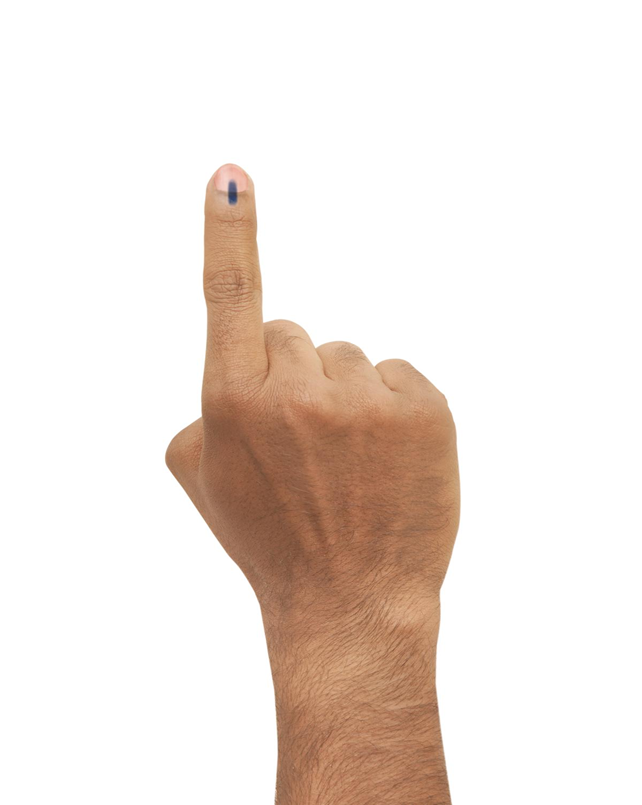
The debate surrounding the proposal for “One Nation, One Election” (ONOE) has once again gained momentum in India’s political and constitutional discourse. The idea suggests holding elections to the Lok Sabha and all State Legislative Assemblies simultaneously, rather than conducting them at different times across the country. While proponents argue that this reform would streamline governance and reduce electoral expenditure, critics believe that the proposal may weaken India’s federal structure and democratic diversity.
The concept itself is not entirely new. In fact, during the early decades after independence, India conducted simultaneous elections for the Lok Sabha and State Assemblies between 1951 and 1967. However, this cycle was disrupted due to the premature dissolution of several state assemblies and the Lok Sabha, leading to the staggered electoral calendar that exists today.
Today, elections take place in different states almost every year. As a result, the country is frequently in campaign mode, with political parties constantly preparing for the next electoral battle. The ONOE proposal seeks to address this issue by synchronising the electoral cycle across the nation.
The Argument in Favour of Simultaneous Elections
Supporters of the proposal highlight several potential advantages. One of the primary arguments is the reduction of election-related costs. Conducting elections across the country requires extensive deployment of security forces, election officials, and administrative resources. Simultaneous elections could significantly reduce these expenses and allow the government to allocate resources to other developmental priorities.
Another argument relates to governance efficiency. The enforcement of the Model Code of Conduct during election periods often restricts governments from announcing new policies or development programmes. Frequent elections mean that governance can be repeatedly disrupted. By holding elections once every five years, governments would have a longer uninterrupted period to implement policies and focus on development.
Proponents also suggest that synchronized elections could reduce political polarisation and campaign fatigue among voters. With elections held together, citizens would participate in a single nationwide democratic exercise rather than multiple elections at different times.
Concerns Over Federalism
Despite these perceived benefits, critics argue that the proposal may undermine India’s federal structure. India is a vast and diverse country where regional issues often differ significantly from national concerns. Holding national and state elections simultaneously may blur the distinction between local and national issues.
In a simultaneous election scenario, national political narratives could dominate public discourse, potentially overshadowing regional priorities. Smaller regional parties might find it difficult to compete with larger national parties that possess greater resources and media influence.
India’s constitutional framework is built on cooperative federalism, where both the Union and the states exercise significant powers. Any electoral reform that potentially shifts political balance towards the Centre raises important constitutional questions.
Constitutional and Legal Challenges
Implementing the ONOE model would require significant constitutional amendments. Several provisions of the Constitution would need to be altered to synchronize the tenure of the Lok Sabha and state assemblies.
For instance, the terms of certain assemblies might need to be shortened or extended temporarily in order to align election schedules. Additionally, provisions would have to be created to address situations where governments collapse mid-term due to no-confidence motions or political instability.
Legal scholars also argue that such changes must respect the basic structure doctrine, which protects the fundamental principles of the Constitution, including democracy and federalism. Any reform perceived as weakening these principles could face judicial scrutiny.
Administrative and Logistical Questions
Beyond constitutional issues, the practical implementation of simultaneous elections presents significant logistical challenges. India is the world’s largest democracy, with hundreds of millions of voters participating in elections across thousands of polling stations.
Conducting nationwide elections simultaneously would require massive deployment of electronic voting machines, security personnel, and administrative staff. Ensuring free and fair elections across such a large scale would require careful planning and institutional readiness.
The Election Commission of India would also need expanded infrastructure and resources to manage elections on this scale.
The Need for Wider Debate
Given the complexity of the proposal, many experts believe that any decision regarding simultaneous elections should emerge from broad political consensus. Electoral reforms in a democracy should ideally reflect the collective will of political parties, constitutional institutions, and citizens.
A structured debate involving constitutional experts, political leaders, civil society organisations, and the Election Commission could help evaluate the potential impact of ONOE on India’s democratic system.
Reforms of this magnitude should not only aim to improve administrative efficiency but also protect the democratic values that define India’s political system.
Balancing Efficiency and Democratic Diversity
The idea of One Nation, One Election raises important questions about the future of Indian democracy. While the proposal promises administrative efficiency and cost reduction, it also carries potential risks related to federalism, regional representation, and political balance.
India’s democratic system thrives on diversity and decentralisation. Any reform that alters the electoral framework must carefully weigh efficiency against the need to preserve democratic pluralism.
As discussions continue, the ONOE proposal will remain one of the most significant political debates in contemporary India, highlighting the ongoing effort to balance governance efficiency with democratic accountability.
Follow for more updates regarding business related news in newsnownation.com.
