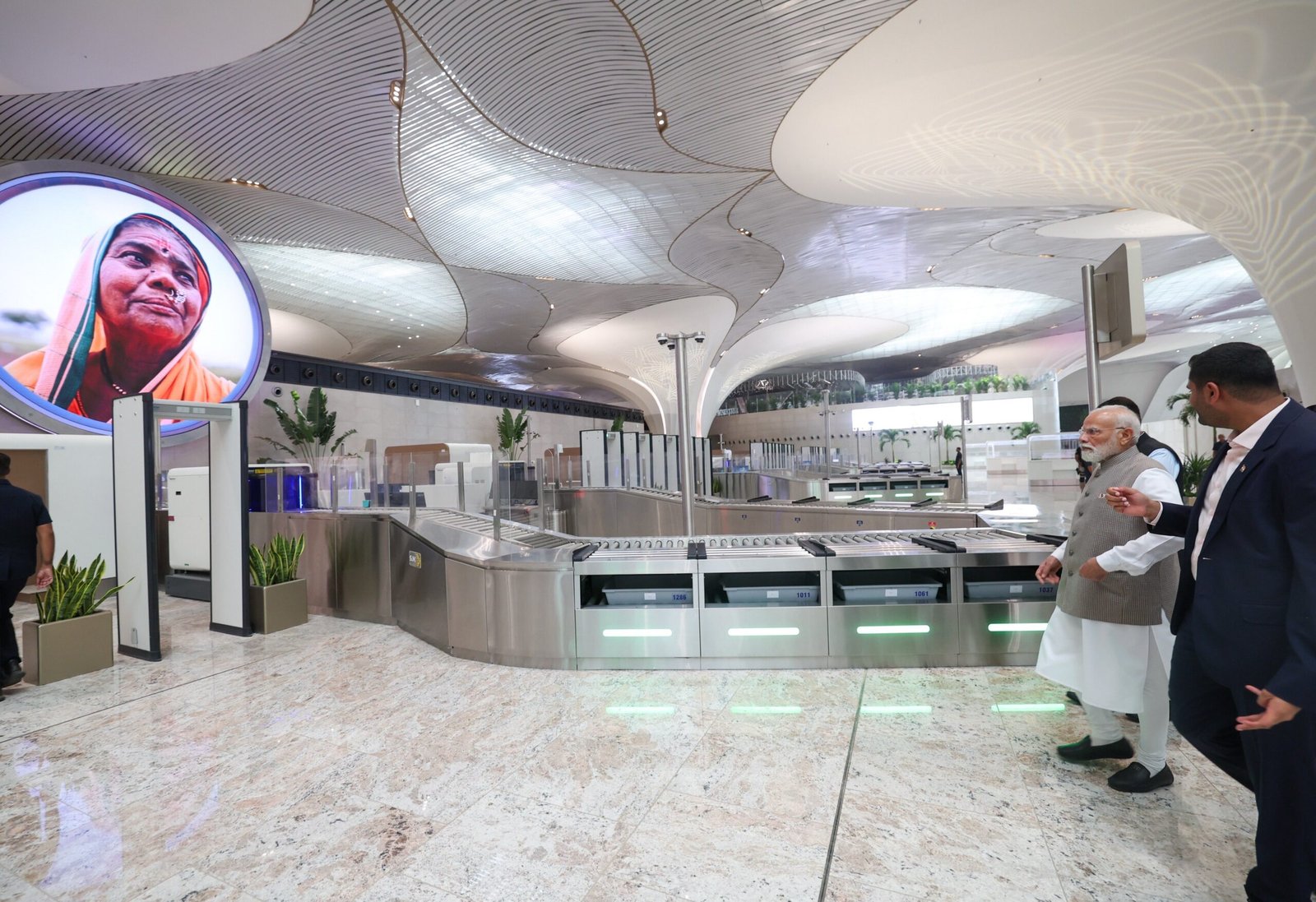
The inauguration of the Navi Mumbai International Airport (NMIA) marks more than a new aviation hub—it is positioning Mumbai as a dual-airport metropolis, accelerating infrastructure-led growth, unlocking real estate and logistics corridors, and bolstering a fertile ecosystem for start-ups and innovation. Expected to begin commercial operations by December 2025, the airport is already changing investor calculus, realty valuations, and the strategic roadmap for Mumbai’s next growth arc.
A New Economic Engine for Mumbai and Maharashtra
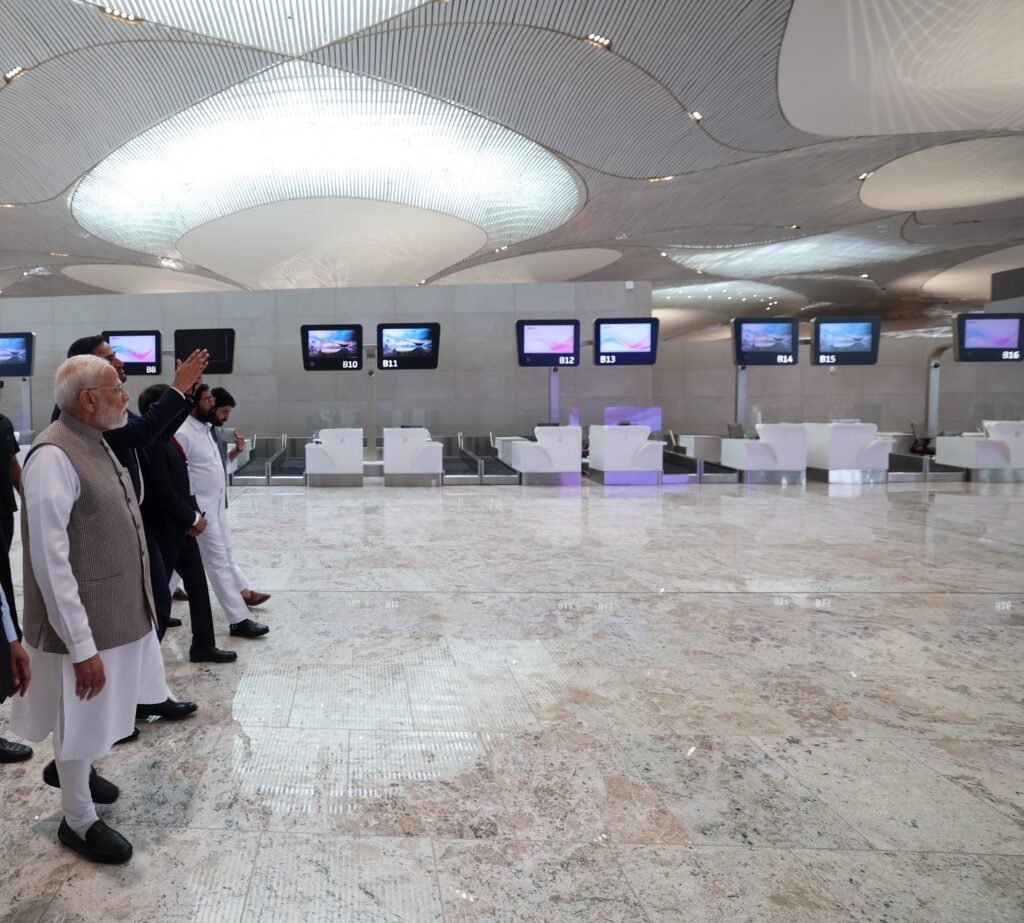
Mumbai, India’s financial capital, has long shoulder much of the country’s economic weight. The launch of NMIA—with its first phase targeting 20 million passengers annually and projected ultimate capacity of 90 million—creates breathing room for Mumbai’s aviation sector and unlocks broader economic potential.
Analysts point to multiple knock-on effects:
• Connectivity multiplier: easing congestion at Chhatrapati Shivaji Maharaj International Airport, enabling new international routes and cargo streams.
• Trade and agribusiness uplift: NMIA’s cargo terminal is designed (in Phase 1) for 0.5 million metric tonnes and scalable to 3.2 million tonnes, enabling faster export of perishables, pharma, and value-added goods.
• Real estate and land value appreciation: Proximity to NMIA has already attracted bullish forecasts—Jefferies projects a 46% upside for Lodha Developers, citing its landholding near airport influence zones.
• Employment and local enterprise: Gautam Adani has called the airport a “gateway to India’s future,” estimating creation of over 200,000 jobs across aviation, supply chain, logistics and allied services.
In sum, NMIA is not just a facility but a growth anchor for the Mumbai–Navi Mumbai region.
Start-ups, Innovation, and the Mumbai Advantage
The airport’s economic stimulus comes at a pivotal moment for Mumbai’s startup ecosystem. The Maharashtra government’s Startup, Entrepreneurship & Innovation Policy 2025 targets creation of 1.3 lakh entrepreneurs and recognition of 50,000 startups in five years, with a 300-acre “Innovation City” and departmental budget allocations for innovation.
Key dynamics to watch:
• Infrastructure for scale: Improved logistics (air cargo, multimodal connectivity) lowers entry barriers for hardware, agri-tech, and high growth supply chain startups.
• Access to global markets: Faster air links make Mumbai a more compelling base for companies targeting EMEA, Middle East, and African markets.
• Investor confidence and spillovers: The airport acts as a signal—both domestic and PE/VC investors may view the region as future-ready.
• Co-development zones: Land around airports often becomes the breeding ground for airport cities—IT parks, logistics hubs, enterprise clusters—offering startups facilities, plug-and-play infrastructure, and synergies.
Indeed, India’s startup count has surged to ~1.95 lakh in 2025, generating over 17.6 lakh direct jobs—a testament to the rising ambition and scale of India’s entrepreneurial engine.
That said, a recent academic study cautions that AI-era startups, while attracting larger funding and valuations, may underperform in per-employee efficiency relative to earlier peers—underscoring the need for operational discipline.
Mumbai, with its investor networks, financial markets, and media capital, is uniquely suited to absorb such cautionary lessons and foster sustainable growth.
Infrastructure Web: From Airport to Urban Backbone
NMIA’s full promise depends on integration with Mumbai’s complementary infrastructure. Key triggers and challenges include:
Multimodal Connectivity & Last Mile Access
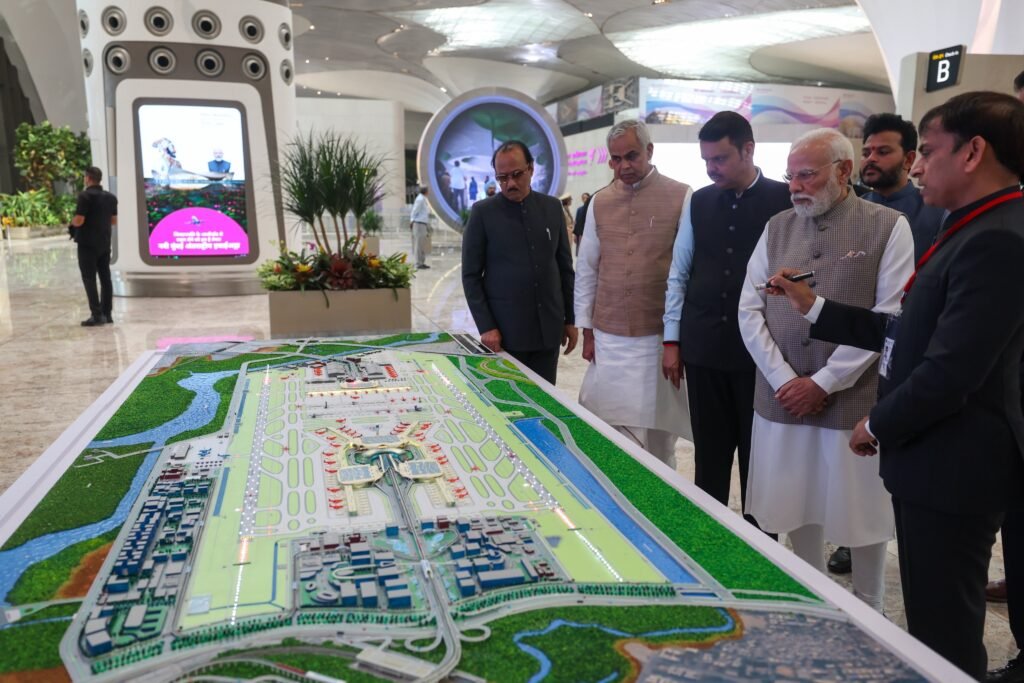
Road, metro, rail, and even water taxis are part of the master plan to link NMIA to Mumbai, Navi Mumbai and surrounding corridors.
Smart City & Land Use Planning
The Navi Mumbai Airport Influence Notified Area (NAINA) has been earmarked for organized growth—realty, warehousing, industrial clusters, commerce zones.
Coordination & Governance
Efforts must align urban planners, state agencies, investors, and citizens. Environmental risk, safety (bird strikes, land use within 3 km), and regulation require active oversight.
Economic Spill Zones
The airport’s GDP uplift is not confined to aviation. IATA data suggests aviation contributes ~US$53.6 billion to India’s economy and supports ~7.7 million jobs—new airports expand that base.
Challenges & Balanced Risks
• Operational timing & regulatory approvals: While the inauguration is complete, commercial operations await DGCA clearance and slot allocations, likely by December 2025.
• Land acquisition friction: Local complaints over compensation, slum displacement, and alignment with urban plans are likely to surface.
• Connectivity lag: If last-mile links lag airport readiness, utility will suffer.
• Overheating realty: Unchecked speculation may lead to inflated land prices, push out small businesses or local communities.
Strategic Takeaways for Mumbai’s Growth Story
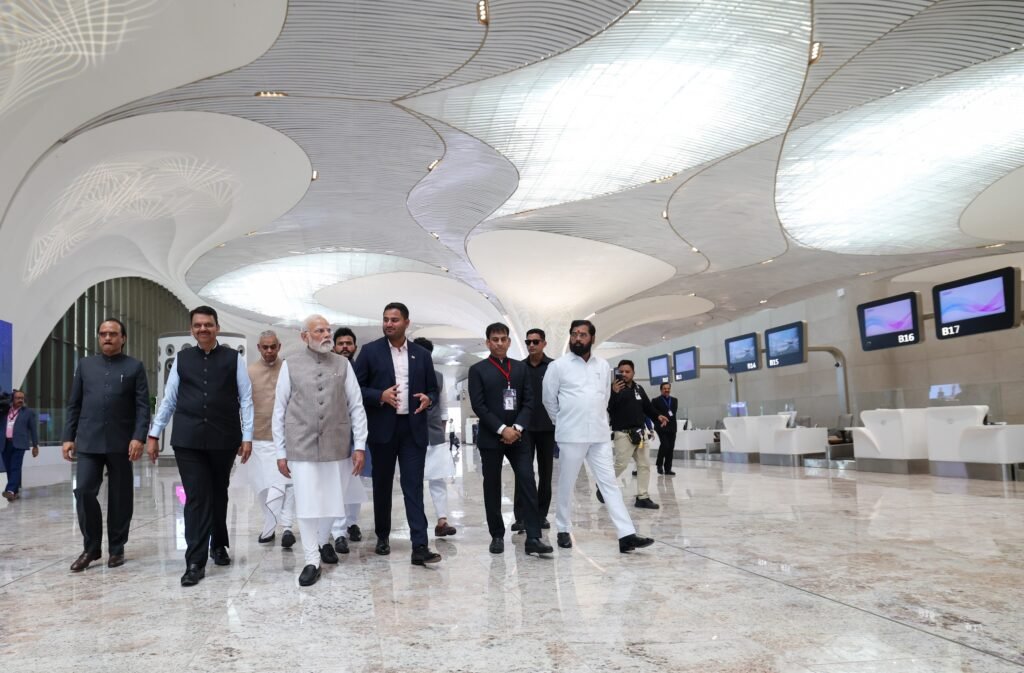
For NewsNowNation’s readers, the NMIA story is not just about aviation—it’s about Mumbai’s evolution into a polycentric growth engine. The airport reinforces the city’s competitiveness, especially at a time when global capital, tech trends, and startup ambitions demand reliable infrastructure and forward-looking policy.
Mumbai’s twin airports model will help decongest the core, draw investment eastward, uplift Navi Mumbai into a self-standing urban node, and embed the city more firmly in global trade, innovation, and growth trajectories.
As the first flights begin, the real test will be match between ambition and execution. But the direction is clear: Mumbai is preparing for a phase where connectivity, innovation and economic depth converge.

