India is undergoing a structural transformation where women are no longer viewed merely as beneficiaries of welfare schemes but as active drivers of economic and social growth. The concept of “Nari Shakti” represents a shift from symbolic empowerment to institutional and policy-backed inclusion. Over the past decade, India has laid a strong foundation through financial inclusion, social welfare, and political reforms aimed at integrating women into the core of development. This transformation is not just a social necessity but an economic imperative that could shape India’s trajectory in the coming decade.
From Welfare to Women-Led Development
Earlier approaches to women empowerment focused on welfare schemes that aimed to provide support but did not necessarily create long-term independence. The current framework emphasizes women-led development, where policies are designed to enable women to participate in decision-making, entrepreneurship, and governance. This transition marks a critical evolution in policy thinking—moving from assistance to agency. Women are now seen as catalysts of growth rather than passive recipients of benefits.
Financial Inclusion and Economic Participation
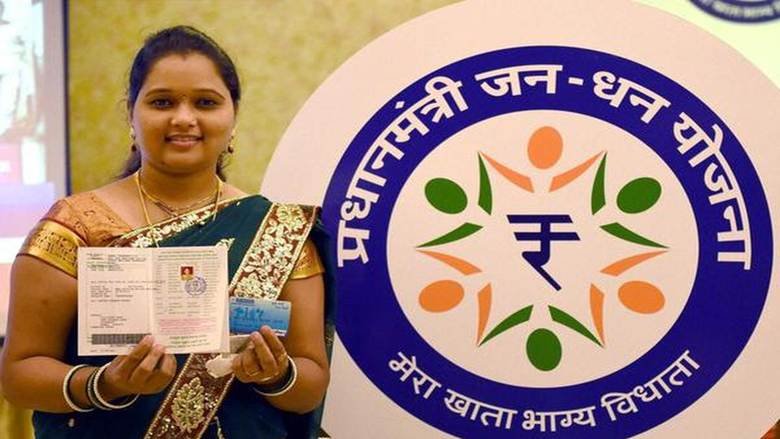
One of the most significant achievements in recent years has been the expansion of financial inclusion. Millions of women now have access to banking services, allowing them to participate in the formal economy. Self-help groups (SHGs) have played a vital role in mobilizing women at the grassroots level, fostering entrepreneurship, and strengthening local economies. Access to credit through schemes like microfinance and Mudra loans has enabled women to start businesses, improve livelihoods, and contribute to household income.
Moreover, the increase in female labour force participation indicates a positive trend, reversing earlier declines. However, the challenge lies in sustaining and accelerating this growth by addressing barriers such as skill gaps, workplace safety, and societal norms.
Social and Welfare Interventions
Government initiatives targeting health, nutrition, sanitation, and education have significantly improved women’s quality of life. Programs focusing on maternal health, child welfare, and nutrition have reduced risks associated with childbirth and improved overall well-being. Access to clean cooking fuel, sanitation facilities, and piped water has reduced the physical burden on women, enabling them to focus on education and economic activities.
Education initiatives aimed at promoting girls’ schooling have also contributed to changing societal attitudes. Increased enrolment rates and improved gender ratios reflect a gradual shift in perception, where educating girls is increasingly recognized as an investment in the future.
Political Empowerment and Representation
A landmark step in women’s empowerment is the push for increased political representation. The introduction of reservations for women in legislative bodies has the potential to transform governance by bringing diverse perspectives into policymaking. Political participation not only empowers women but also leads to more inclusive and responsive governance structures.
However, representation alone is not sufficient. It must be complemented by capacity-building initiatives, leadership training, and institutional support to ensure that women can effectively contribute to governance.
Bridging the Gap Between Access and Authority
While access to resources and opportunities has improved, a significant gap remains between access and actual authority. Many women still face challenges in exercising decision-making power within households, workplaces, and communities. This gap highlights the need for deeper societal transformation alongside policy interventions.
Awareness remains a critical issue, as many eligible women are unaware of the schemes designed for their benefit. Additionally, the effectiveness of policies often depends on local administrative capacity, leading to variations in implementation across regions. Addressing these challenges requires a focus on last-mile delivery and community-level engagement.
Challenges in Achieving True Empowerment
Despite notable progress, several challenges continue to hinder women’s empowerment in India. Socio-cultural barriers, gender biases, and safety concerns limit women’s participation in the workforce. Access to quality education and skill development opportunities remains uneven, particularly in rural areas.
Another key challenge is the gap between policy intent and ground-level impact. While numerous schemes exist, their fragmented implementation reduces overall effectiveness. A more integrated approach is required to ensure that policies complement each other and create a holistic ecosystem for empowerment.
The Way Forward
The next phase of India’s development must focus on strengthening institutional frameworks and ensuring the effective implementation of existing policies. Capacity-building initiatives should be prioritized to equip women with the skills and knowledge required for leadership roles. Simplifying access to schemes and leveraging technology can improve delivery and transparency.
There is also a need to shift from output-based metrics to outcome-based evaluation, focusing on real improvements in women’s lives rather than numerical targets. Encouraging women’s participation in emerging sectors such as STEM can further enhance their contribution to economic growth.
“Nari Shakti” is not just a policy initiative but a transformative vision for India’s future. By placing women at the center of development, India can unlock its full potential and achieve sustainable growth. The coming decade will be निर्णायक in determining whether the country can translate its policy framework into tangible outcomes. Ensuring effective implementation, fostering leadership, and addressing structural challenges will be key to making women the driving force behind India’s progress.
Follow for more updates regarding business and policy news on newsnownation.com
