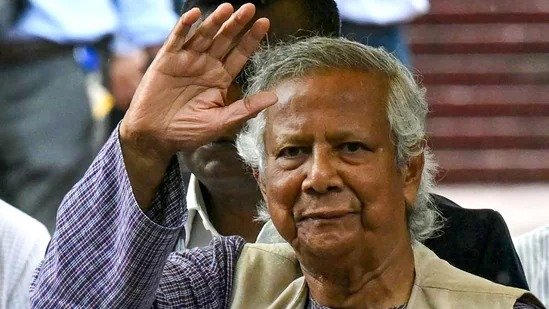
In a thoughtful farewell message delivered as he concludes his international engagement, Nobel laureate and economist Muhammad Yunus emphasised the deep cultural and economic bonds between Bangladesh and India — particularly its “Seven Sisters” states of the northeast. Yunus’ reflections, released alongside comments about Bangladesh’s evolving political landscape under Tarique Rahman’s leadership, carry resonance across South Asia’s regional relations.
Muhammad Yunus, internationally recognised for his pioneering work in microfinance and social business, has long been an influential voice on issues of economic development and cooperative progress. As he steps back from his active international roles, Yunus chose to highlight the importance of connectivity and partnership with India’s northeastern region — often referred to collectively as the “Seven Sisters.” This group of northeastern states — encompassing Arunachal Pradesh, Assam, Meghalaya, Manipur, Mizoram, Nagaland and Tripura — shares historic ties with Bangladesh through trade, cultural exchange and geographic proximity.
In his message, Yunus described the potential for enhanced cooperation in infrastructure, commerce and people-to-people exchanges, underlining the strategic role the Seven Sisters can play in strengthening Bangladesh’s integration with the broader South Asian economy. “The region’s potential is immense,” Yunus stated, “and its partnership with Bangladesh should be nurtured through informed policy, mutual respect, and a shared vision for prosperity.”
The remarks coincide with a pivotal moment in Bangladesh’s political timeline. With Tarique Rahman now at the helm of governmental leadership following recent political developments, observers are watching how governance priorities and foreign policy initiatives will unfold. Yunus’ endorsement of regional harmony — particularly with neighbouring Indian states — comes as Dhaka navigates its future path on both domestic and diplomatic fronts.
Political analysts note that renewed emphasis on the northeastern states aligns with growing recognition of their strategic importance in South Asian geopolitics. Enhanced connectivity projects, such as improved cross-border transport links and economic corridors, have been discussed among policymakers in recent years. Yunus’ commentary serves to spotlight these opportunities and the mutual benefits that can accrue from robust Bangladesh–India engagement.
Beyond infrastructure, cultural exchange remains a core aspect of the relationship. Communities in the northeastern states and in Bangladesh share linguistic, ethnic and historical connections that predate modern borders. Yunus encourages leveraging this shared heritage to foster inclusive growth, inviting stakeholders to look beyond conventional diplomatic approaches and embrace deeper collaboration.
Tarique Rahman’s government, now guiding Bangladesh’s next chapter, faces expectations to balance internal governance with proactive regional diplomacy. Experts believe that Yunus’ lighthouse message — focusing on cooperation rather than division — offers a valuable framework for future policy considerations.
Yunus also reflected on the global role of Bangladesh as a contributor to economic innovation and community empowerment. His farewell underscores a hope that Bangladesh’s trajectory will continue to focus on sustainable development, human-centered growth, and strengthened partnerships with key neighbours.
As South Asia continues to evolve, voices like Yunus’ remind leaders and citizens alike of the importance of unity and mutual progress. Bangladesh’s relationship with India — especially the Seven Sisters — remains an integral part of the region’s shared destiny.
For the complete report and continuous international developments, follow NewsNowNation on our platforms and visit NewsNowNation.com for full coverage.
