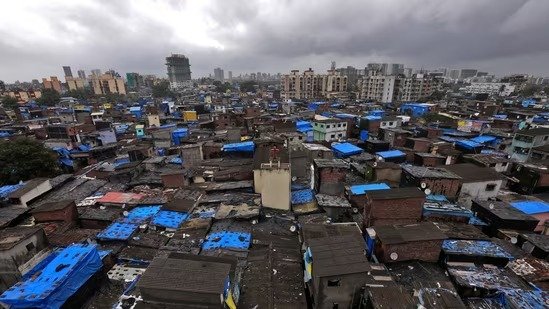
In a key development in India’s ongoing urban transformation story, the Maharashtra government has formally transferred 118 acres of land in Malad to be used for the rehabilitation of residents displaced by the Dharavi redevelopment project. Viewed by many as one of the most ambitious urban renewal initiatives in Asia, the Dharavi project has long faced challenges balancing development imperatives with the needs of its densely packed residential and commercial communities.
Officials overseeing the project noted that the Malad land transfer represents a strategic milestone in fulfilling the state’s commitment to equitable urban planning. Dharavi, located in central Mumbai, is home to hundreds of thousands of residents working across informal industries. The area’s redevelopment has been debated for years, with planners aiming to modernise infrastructure without erasing the social and economic fabric that defines the community.
According to government sources, the newly allocated land in Malad will be developed into residential units and supporting infrastructure for Dharavi families who are being relocated as part of a phased rehabilitation plan. The focus is on providing secure, long-term housing options while preserving livelihoods and community ties. Planners emphasised that the Malad site’s connectivity and accessibility make it suitable for building integrated housing clusters, schools, healthcare facilities, and community spaces.
Urban specialists highlighted that successful rehabilitation is critical to the Dharavi project’s legitimacy. “A redevelopment plan cannot be measured solely by the quality of its structures,” said one urban affairs analyst. “It must be judged by how well the people it affects are supported through the transition.” This emphasis on inclusive planning seeks to tackle concerns that large-scale redevelopment can displace long-established communities and disrupt daily life.
The Malad land allocation follows months of discussions between state authorities, urban planners, and resident representatives. Community groups have stressed the importance of not only adequate housing but also ensuring that relocated populations retain access to employment and social networks. Officials say the plan accommodates these concerns through careful design and investment in community infrastructure.
Despite the positive momentum, there remain voices urging caution. Critics argue that land transfers and construction timelines will need close monitoring to avoid delays and cost overruns. In response, government representatives have reiterated their commitment to transparent implementation. They noted that residence rehabilitation is being prioritised alongside construction of new commercial and residential developments under the Dharavi redevelopment umbrella.
For many Dharavi residents, the latest development offers a mix of hope and uncertainty. While improved housing has long been a demand, there are lingering concerns about whether relocation locations like Malad will fully reflect the community dynamics present in Dharavi itself. Social advocates suggest that incorporating residents’ input into design and planning processes will be key to long-term success.
Urban development experts also point out that the Dharavi redevelopment serves as a potential model for other densely populated cities in India and beyond. If managed skillfully, it could set a precedent for holistic redevelopment — one that integrates infrastructure growth with community welfare. The Malad land transfer is thus seen not only as a logistical move but also as a symbolic commitment to more humane urban policy decisions.
As the state moves forward with the implementation phase, attention will turn to construction timelines, stakeholder engagement, and the rollout of support mechanisms for incoming residents. Authorities say that rehabilitation planning will continue to be a collaborative process, aimed at preventing displacement fallout while setting new standards in inclusive urban renewal.
For continuous updates and in-depth coverage of this story and other developments in urban planning and public policy, visit NewsNowNation and stay informed.
