Recognising Workers’ Contributions and Strengthening the Future of Work
International Labour Day, celebrated every year on May 1, stands as a powerful reminder of the contributions, resilience, and rights of workers across the globe. Also known as May Day, this occasion is rooted in the historic labour movement that advocated for fair wages, reasonable working hours, and safe working conditions. Over time, it has evolved into a global celebration that not only honours workers but also reflects on the challenges and opportunities shaping the modern workforce.
The origins of International Labour Day trace back to the late 19th century, particularly the Haymarket Affair in Chicago, which became a defining moment in the struggle for workers’ rights. What began as a movement demanding an eight-hour workday has since transformed into a worldwide observance recognizing the dignity of labour and the importance of equitable working environments.
In today’s rapidly evolving economic landscape, the significance of Labour Day has expanded beyond traditional industries. From factory workers and farmers to corporate professionals and gig economy participants, the definition of labour continues to evolve. The rise of digital platforms, remote work, and automation has reshaped how people work, bringing both opportunities and challenges.
One of the central themes of Labour Day in recent years has been the need for inclusive growth. As economies expand, ensuring that workers across all sectors benefit equally remains a critical priority. Issues such as fair wages, job security, and access to social protection continue to be at the forefront of policy discussions worldwide.
Governments and organizations are increasingly focusing on creating sustainable work environments that prioritize employee well-being. Mental health, work-life balance, and skill development have become key areas of focus, reflecting a broader understanding that productivity and well-being go hand in hand. In many countries, Labour Day serves as an opportunity to announce new policies, review existing labor laws, and reinforce commitments toward worker welfare.
The role of technology in shaping the future of work is another important aspect highlighted on this day. Automation and artificial intelligence are transforming industries, leading to increased efficiency but also raising concerns about job displacement. This has led to a growing emphasis on reskilling and upskilling the workforce to ensure that individuals remain relevant in a changing job market.
At the same time, the gig economy has introduced a new dimension to labour dynamics. While it offers flexibility and independence, it also brings challenges related to job security, benefits, and legal protections. Labour Day discussions increasingly address the need to balance innovation with regulation to protect the rights of workers in these emerging sectors.
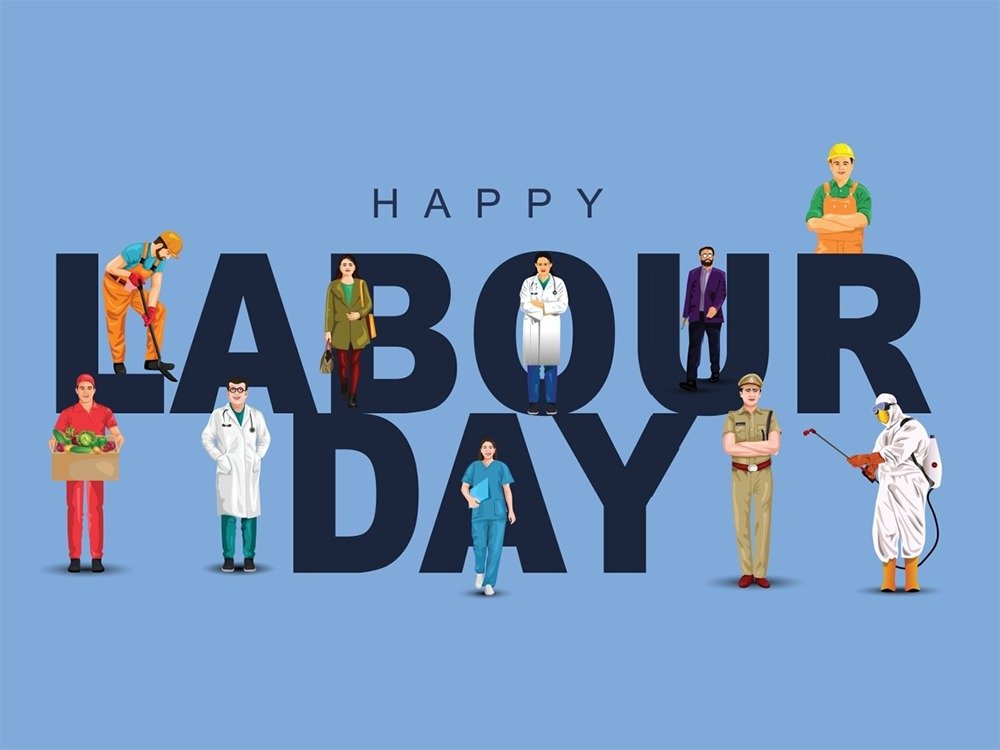
In countries like India, International Labour Day holds special importance due to the vast and diverse workforce that drives the nation’s economy. From construction workers and farmers to healthcare professionals and entrepreneurs, every segment plays a vital role in national development. Recognizing their contributions and addressing their challenges is essential for building a resilient and inclusive economy.
The day also serves as a reminder of the importance of dignity in labour. Regardless of the nature of work, every contribution matters in building societies and economies. This perspective encourages respect for all professions and fosters a culture of equality and appreciation.
As businesses continue to grow and expand, corporate responsibility toward employees becomes increasingly important. Organizations are now expected to go beyond compliance and actively contribute to the well-being and growth of their workforce. Initiatives focused on skill development, diversity and inclusion, and employee engagement are becoming key indicators of responsible business practices.
Labour Day is not just about celebration; it is also about reflection and action. It encourages governments, employers, and society to work together to create a fair and supportive environment for workers. Addressing issues such as wage inequality, workplace safety, and access to opportunities remains crucial for achieving long-term progress.
In conclusion, International Labour Day 2026 is a moment to honour the hard work and dedication of millions of workers while also looking ahead to the future of work. As economies and industries continue to evolve, the focus must remain on ensuring that progress is inclusive and sustainable. By valuing workers and investing in their growth, societies can build a stronger, more equitable future for all.
Follow for more updates regarding business related news in newsnownation.com.

