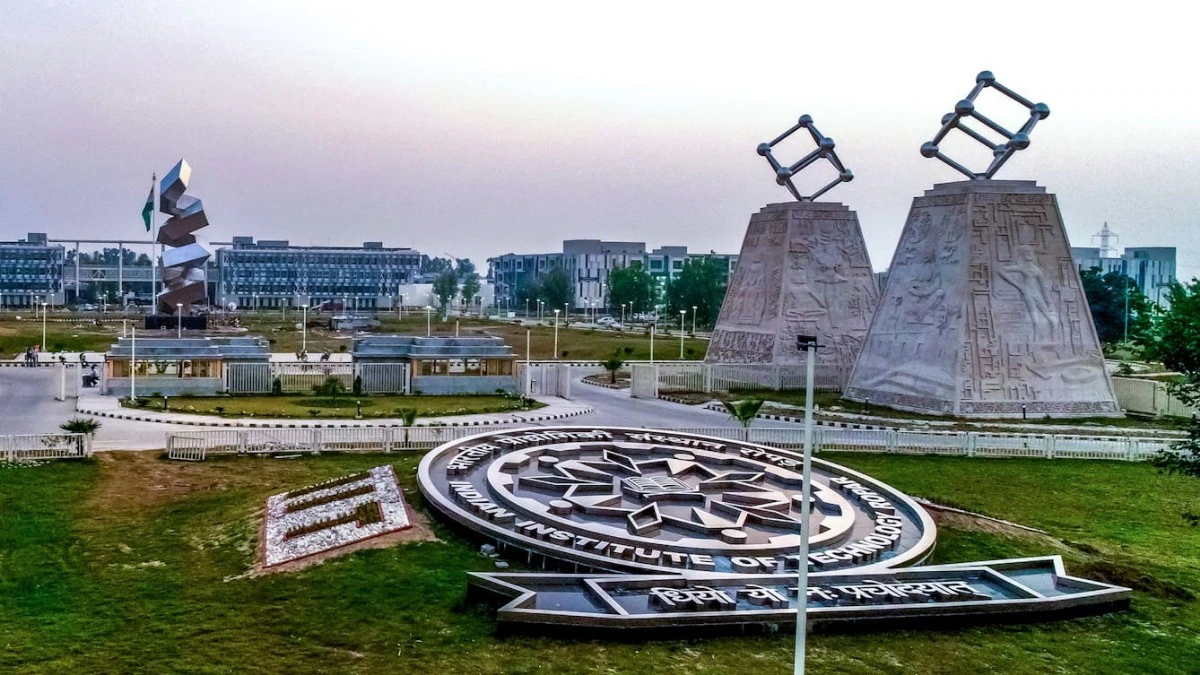
India’s innovation ecosystem has received another major boost as IIT Ropar has partnered with Google and Syngenta to launch HackCore 2026, a nationwide innovation challenge designed to empower students to solve real-world problems using technology. The initiative aims to bring together aspiring developers, engineers, and entrepreneurs to build impactful solutions in fields such as artificial intelligence, sustainability, agriculture, healthcare, and digital transformation.
HackCore 2026 reflects the growing collaboration between academia and industry to nurture future-ready talent while strengthening India’s position as a global hub for innovation and deep technology. By connecting students with leading technology companies and industry experts, the programme offers participants an opportunity to transform ideas into scalable solutions with real-world applications.
Bridging Academia and Industry
HackCore 2026 is designed to provide students with more than just a coding competition.
Participants will gain access to mentorship from experts at Google, Syngenta, and IIT Ropar, enabling them to refine ideas, understand industry challenges, and develop commercially viable technology solutions.
The collaboration demonstrates how universities and global companies are increasingly working together to prepare students for rapidly evolving technology-driven careers.
Innovation with Real-World Impact
Unlike traditional hackathons focused solely on software development, HackCore 2026 encourages multidisciplinary innovation.
Students will be challenged to develop solutions addressing sectors such as:
- Artificial Intelligence
- Smart Agriculture
- Climate Sustainability
- Healthcare Technology
- Digital Infrastructure
- Data Analytics
- Automation
- Smart Manufacturing
The initiative seeks innovations capable of generating measurable social and economic impact while promoting entrepreneurship among young innovators.
Strengthening India’s Startup Ecosystem
India has emerged as the world’s third-largest startup ecosystem, supported by a rapidly expanding pool of engineering talent and innovation-led institutions.
Initiatives like HackCore 2026 help strengthen this ecosystem by encouraging students to think beyond academic projects and build technologies capable of addressing real business and societal challenges.
Industry collaborations also provide valuable exposure to product development, intellectual property, venture creation, and emerging technologies.
Preparing Students for the Future Economy
As artificial intelligence, automation, and digital transformation reshape industries worldwide, future professionals require practical problem-solving experience alongside academic knowledge.
HackCore 2026 aims to cultivate these capabilities through collaborative learning, innovation challenges, and direct engagement with industry leaders.
Such initiatives help bridge the gap between classroom learning and professional innovation, making graduates more industry-ready while encouraging entrepreneurial thinking.
Driving India’s Innovation Vision
The partnership aligns with India’s broader ambitions to become a global leader in technology, research, and innovation.
Government initiatives such as Digital India, Startup India, Make in India, and the National Education Policy have placed increasing emphasis on industry-academia collaboration, research commercialization, and innovation-driven growth.
HackCore 2026 complements these objectives by creating opportunities for young innovators to contribute meaningful solutions across multiple sectors.
Conclusion
The launch of HackCore 2026 by IIT Ropar, Google, and Syngenta represents more than a student competition—it reflects India’s growing commitment to fostering innovation through collaboration. By combining academic excellence with global industry expertise, the initiative empowers students to develop technologies capable of addressing tomorrow’s challenges while strengthening the country’s innovation ecosystem.
As India’s technology landscape continues to evolve, programmes like HackCore 2026 will play an increasingly important role in shaping the next generation of entrepreneurs, engineers, and problem-solvers.
For more updates on business, startups, technology, innovation, sustainability, and global developments, visit NewsNowNation at https://newsnownation.com/.
HackCore 2026, IIT Ropar, Google India, Syngenta India, Student Innovation, Hackathon India, AI Innovation, Technology Students, Startup India, Engineering Students, Digital India, Innovation Challenge, Deep Tech India, Research Innovation, NewsNowNation

