A Strategic Space Initiative for Global Good
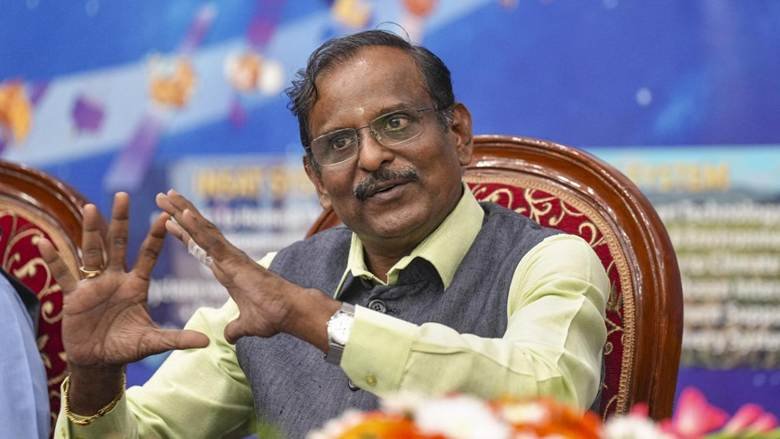
India is preparing to take a significant step in space diplomacy with the proposed launch of a G20 satellite in 2027. According to ISRO Chairman V. Narayanan, this ambitious mission is aimed at addressing some of the most pressing global challenges, including climate change, air pollution, and weather monitoring. The initiative reflects India’s growing leadership in leveraging space technology for international collaboration and sustainable development.
The concept of a G20 satellite was first introduced during India’s presidency of the G20 in 2023, when Prime Minister Narendra Modi proposed a shared satellite mission focused on environmental and climate observation. The goal is to provide valuable data that can benefit all participating nations, particularly those in the Global South, by enhancing their capacity to respond to climate-related challenges.
Focus on Climate, Weather, and Environmental Data
The G20 satellite will primarily focus on collecting and sharing critical environmental data. This includes monitoring climate patterns, tracking air pollution levels, and providing accurate weather forecasting. Such data is crucial for disaster management, agriculture planning, and environmental protection.
By offering open access to this data among G20 nations, India aims to foster a collaborative ecosystem where countries can collectively tackle global environmental challenges. This approach aligns with the broader vision of using space technology not just for national advancement, but for the welfare of humanity.
Strengthening India’s Space Leadership
India’s space agency, ISRO, has consistently demonstrated its capabilities through cost-effective and innovative missions. From lunar exploration to Mars missions, India has established itself as a credible and reliable player in the global space sector.
The proposed G20 satellite further strengthens this position by placing India at the center of a multilateral space initiative. It showcases the country’s ability to lead complex international projects and reinforces its commitment to science-driven solutions for global issues.
ISRO Chairman Narayanan has emphasized that this mission is part of a broader roadmap that includes multiple satellite launches and advanced space programs in the coming years.
Boost to Global South and Developing Nations
One of the most significant aspects of the G20 satellite mission is its focus on supporting developing nations. Many countries in the Global South lack access to advanced satellite data, which limits their ability to respond effectively to climate change and natural disasters.
By sharing data from the G20 satellite, India aims to bridge this gap. This initiative could empower countries with better forecasting tools, improved disaster preparedness, and more efficient resource management.
This collaborative model also enhances India’s soft power, positioning it as a leader that prioritizes inclusivity and global cooperation.
Technological and Economic Implications
Beyond its environmental benefits, the G20 satellite mission is expected to have significant technological and economic implications. It will drive innovation in satellite design, data analytics, and space-based services.
The mission could also open new opportunities for private sector participation, startups, and international partnerships. As the global space economy continues to expand, initiatives like this can help India capture a larger share of the market.
Additionally, the data generated by the satellite can support industries such as agriculture, insurance, logistics, and urban planning, contributing to economic growth.
Integration with India’s Broader Space Vision
The G20 satellite is not an isolated project but part of India’s long-term space vision. ISRO is simultaneously working on several ambitious missions, including human spaceflight programs and advanced satellite deployments.
These efforts highlight a comprehensive strategy that combines scientific exploration, technological advancement, and international collaboration. The G20 satellite fits seamlessly into this vision, serving as a bridge between national priorities and global responsibilities.
Challenges and Future Outlook
While the mission holds immense promise, it also comes with challenges. Coordinating among multiple countries, ensuring data sharing agreements, and managing technological complexities will require careful planning and execution.
However, India’s track record in successfully executing complex space missions provides confidence that these challenges can be addressed effectively.
Looking ahead, the G20 satellite could become a model for future international collaborations in space. It demonstrates how technology can be used as a unifying force to address shared global challenges.
Conclusion
The planned launch of the G20 satellite in 2027 marks a significant milestone in India’s space journey. It reflects a shift towards collaborative, purpose-driven space missions that prioritize global welfare.
By focusing on climate monitoring, environmental protection, and data sharing, this initiative has the potential to create a lasting impact on how nations work together to tackle common challenges.
As the world faces increasing environmental uncertainties, projects like the G20 satellite highlight the importance of innovation, cooperation, and visionary leadership in shaping a sustainable future.
Follow for more updates regarding business related news on newsnownation.com
