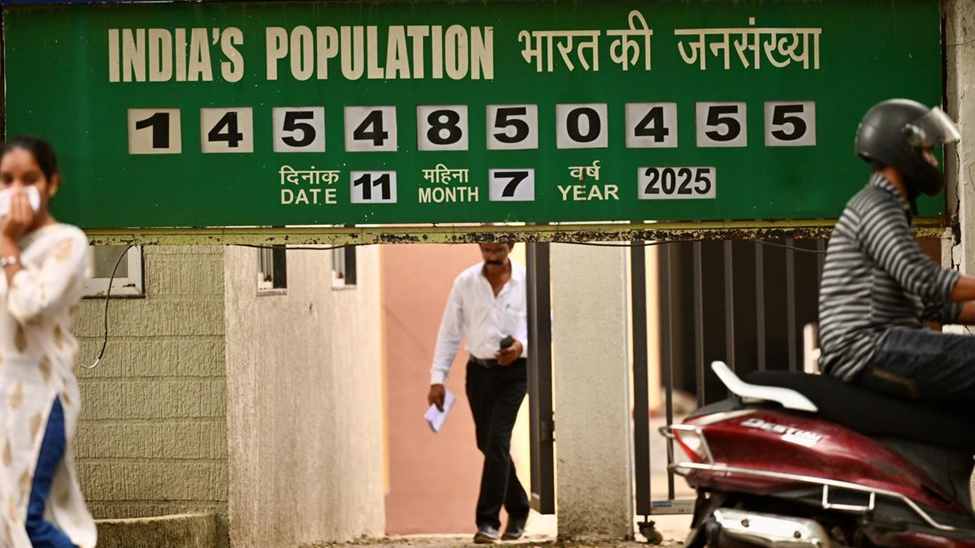
India stands at a critical point in its demographic journey. Once seen as a country facing population explosion, it is now transitioning toward population stabilisation, bringing with it a new set of economic and social challenges. While India continues to benefit from a large working-age population, experts warn that this demographic advantage may not last indefinitely.
The changing structure of India’s population is reshaping the country’s future. Declining fertility rates, rising life expectancy and uneven regional trends are creating both opportunities and risks that require careful policy planning.
From Population Growth to Stabilisation
India has experienced a steady decline in fertility rates over the past few decades. The country has now reached near replacement-level fertility, meaning that population growth is gradually stabilising.
While this transition is often seen as a sign of development, it also signals the beginning of a demographic shift. As birth rates fall, the proportion of young people in the population decreases, eventually leading to an ageing society.
At the same time, India remains the world’s most populous country, with a large base of young people who can contribute to economic growth if properly employed and skilled.
The Demographic Dividend and Its Limits
India’s demographic dividend — the economic advantage arising from a large working-age population — has been a key driver of growth. This phase provides an opportunity to boost productivity, increase savings and accelerate economic development.
However, this window of opportunity is time-bound. Experts estimate that India’s demographic dividend is expected to peak around 2040–2041.
If sufficient jobs are not created and skill development is not prioritised, this potential advantage could turn into a liability. High youth unemployment and underemployment remain key concerns that could limit the benefits of this demographic phase.
Rising Challenge of an Ageing Population
One of the most significant long-term challenges is the gradual ageing of India’s population. As life expectancy increases and fertility rates decline, the share of elderly citizens is expected to rise significantly in the coming decades.
This shift will increase the dependency ratio, meaning fewer working-age individuals will support a larger number of dependents.
An ageing population will place additional pressure on healthcare systems, pension schemes and social security frameworks. It will also require the development of a “silver economy” that caters to the needs of senior citizens.
Regional Imbalances in Demographic Trends
India’s demographic transition is not uniform across states. Southern and western states are ageing faster due to lower fertility rates, while northern and eastern states continue to have younger populations.
This uneven transition creates regional imbalances in labour supply and economic development. Some states may face labour shortages in the future, while others may struggle to create enough jobs for their growing youth population.
Migration between states is likely to play a crucial role in balancing these differences, but it also brings challenges related to urbanisation, infrastructure and social integration.
Education and Skill Development Gap
One of the biggest concerns highlighted in demographic discussions is the gap between education and employability. While India produces millions of graduates every year, many lack the skills required by modern industries.
Experts emphasise the need to reform the education system to focus more on practical skills, digital literacy and vocational training.
Improving learning outcomes and aligning education with industry needs will be essential to fully utilise the country’s workforce potential.
Importance of Female Workforce Participation
Increasing female participation in the workforce is another critical factor in addressing demographic challenges. India’s female labour force participation remains relatively low compared to global standards.
Encouraging more women to join the workforce can significantly boost economic growth and help offset the effects of a shrinking working-age population in the future.
Policy measures such as flexible work opportunities, safe workplaces and skill development programs for women can play a key role in improving participation rates.
Urbanisation and Migration Pressures
India is also witnessing rapid urbanisation, with millions of people moving to cities in search of better opportunities. Urban population growth is expected to continue in the coming decades.
While urbanisation can drive economic growth, it also creates challenges related to housing, infrastructure, healthcare and employment.
Managing urban growth effectively will be essential to ensure that cities remain productive and sustainable.
Policy Priorities for the Future
Addressing India’s demographic challenges requires a multi-dimensional approach. Key policy priorities include:
- Strengthening education and skill development systems
- Expanding employment opportunities
- Improving healthcare and social security systems
- Promoting gender equality in the workforce
- Enhancing data systems for better population planning
Experts also highlight the need for updated population data, as current projections are often based on outdated census information.
Conclusion
India’s demographic transition presents both opportunities and challenges. The country still has a window to harness its demographic dividend, but this requires timely and effective policy interventions.
As the population structure evolves, the focus must shift from quantity to quality — ensuring that the workforce is skilled, productive and inclusive.
Managing ageing, improving employment and addressing regional disparities will be crucial for sustaining long-term economic growth.
Follow for more updates regarding business related news in newsnownation.com.
