Census Self-Enumeration and AI Workforce Concerns Shape National Discourse
India is witnessing two parallel developments that highlight the country’s transition into a digitally driven future while also raising important questions about employment and technology. On one hand, the government’s push toward digital governance received a strong response as over 55,000 households used the census self-enumeration portal on its very first day. On the other, comments by Aravind Srinivas have sparked a widespread debate about artificial intelligence and its impact on jobs.
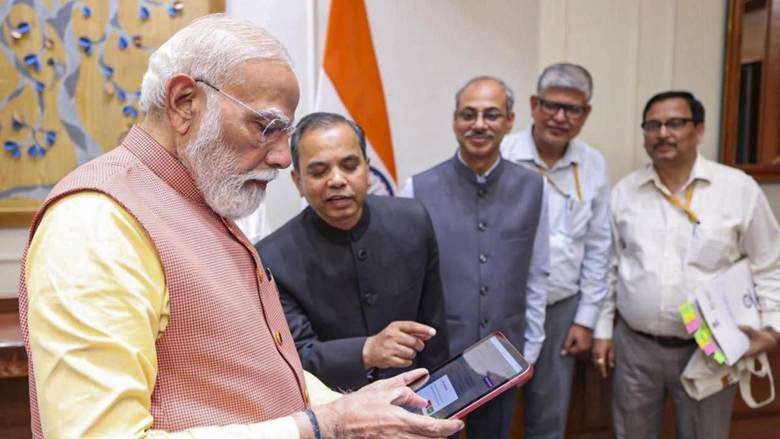
The launch of the self-enumeration portal marks a significant step in modernizing the census process. For the first time, citizens are being given the option to fill in their own demographic and socio-economic details online, reducing dependency on traditional door-to-door data collection. The early response indicates growing digital awareness and willingness among citizens to adopt technology-driven governance systems.
The census exercise has always been a critical component of India’s policy framework. Data collected during the census plays a crucial role in shaping government decisions related to infrastructure, welfare schemes, urban planning and resource allocation. By introducing a self-enumeration option, authorities aim to make the process more efficient, accurate and accessible.
The initial participation of over 55,000 households reflects a positive shift toward digital engagement. It also signals increasing internet penetration and smartphone usage across the country, enabling more citizens to access government services online. The move is expected to reduce administrative burdens while ensuring faster and more reliable data collection.
However, the success of such initiatives will depend on continued awareness campaigns and support systems to assist people who may not be digitally literate. Ensuring inclusivity remains a key challenge, especially in rural and remote areas where access to technology may still be limited.
At the same time, the growing reliance on digital platforms is closely linked to another ongoing debate — the role of artificial intelligence in shaping the future workforce. The discussion gained momentum after remarks made by Aravind Srinivas, who stated that “most people don’t enjoy their jobs” while addressing the potential of AI to replace repetitive roles.
The statement triggered strong reactions across social media and professional communities. Critics argued that such views overlook the realities of employment, where jobs are often driven by necessity rather than passion. For many individuals, work is a means of livelihood and financial stability, making the prospect of AI-driven job displacement a serious concern.
The controversy has brought attention to the broader impact of automation and AI technologies. From customer service to data analysis, AI is increasingly being used to perform tasks that were traditionally handled by humans. While this leads to improved efficiency and cost savings for businesses, it also raises questions about job security and workforce displacement.
Supporters of AI adoption highlight that technological advancements have historically led to the creation of new job opportunities. They argue that while certain roles may become obsolete, new industries and professions will emerge, requiring a different set of skills. This perspective emphasizes the importance of adaptability and continuous learning in a rapidly changing job market.
The intersection of these two developments — digital governance and AI-driven transformation — reflects the broader direction in which India is moving. As the country embraces technology to improve public services, it must also address the challenges that come with automation and digital disruption.
The census self-enumeration initiative demonstrates how technology can empower citizens and streamline administrative processes. It represents a step toward greater transparency, efficiency and participation in governance. At the same time, the AI debate underscores the need for policies that protect workers and ensure inclusive growth.
Experts believe that the key to managing this transition lies in investing in education, skill development and digital literacy. By equipping individuals with the necessary skills, the workforce can adapt to new roles and opportunities created by technological advancements.
Governments and organizations will need to work together to create a balanced ecosystem where innovation does not come at the cost of employment. This includes designing policies that encourage responsible use of AI while also supporting workers through reskilling initiatives.
The strong response to the census portal indicates that citizens are ready to embrace digital transformation. However, it also highlights the importance of building trust and ensuring data security, as people share sensitive information online.
Meanwhile, the ongoing debate around AI serves as a reminder that technological progress must be guided by ethical considerations and social responsibility. The future of work will depend on how effectively societies manage the transition from traditional roles to technology-driven environments.
Both stories reflect a common theme — the growing influence of technology in shaping India’s future. Whether it is through digital governance or artificial intelligence, the country is under going a transformation that will redefine how people live, work and interact.
As these developments continue to unfold, the focus must remain on creating a system that balances innovation with inclusivity. Ensuring that the benefits of technology reach all sections of society will be crucial for sustainable growth.
Follow for more updates regarding business related news in newsnownation.com.
