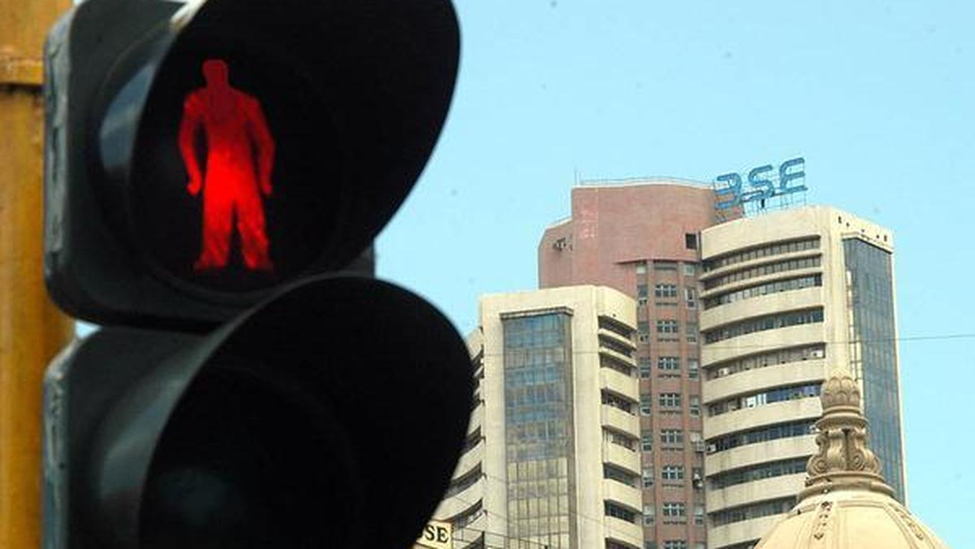
Indian benchmark equity indices opened on a weak note on Wednesday, with both the Sensex and Nifty slipping in early trading as investors remained cautious amid global geopolitical tensions and mixed market signals. The decline reflects growing uncertainty in global markets, particularly due to the ongoing conflict in West Asia and concerns about rising oil prices.
The early weakness in the markets highlights how global developments can quickly influence investor sentiment in India. While domestic fundamentals remain stable, external factors such as geopolitical risks and fluctuations in commodity prices continue to impact market behaviour.
Sensex and Nifty Slip in Early Trading
During the early trading session, the benchmark BSE Sensex declined by nearly 180 points to trade around 78,000 levels, while the Nifty 50 index fell by more than 50 points, slipping below the 24,250 mark.
Market data showed a broadly cautious sentiment among investors as several key sectors traded in negative territory. Banking, financial services, IT, auto and FMCG stocks experienced selling pressure, dragging the major indices lower in early trade.
However, not all segments of the market were weak. Some sectors such as metals, media, pharmaceuticals and real estate witnessed selective buying interest, indicating that investors were shifting funds toward defensive and commodity-linked stocks.
Global Geopolitical Tensions Impact Markets
One of the primary factors influencing the market decline is the ongoing geopolitical tension in the Middle East. The conflict has raised concerns about energy supply disruptions and global economic stability.
Investor sentiment has been affected by uncertainty surrounding the situation, particularly fears that escalating tensions could influence crude oil prices and global trade flows. As a result, equity markets around the world have shown signs of volatility.
Reports indicate that the Nifty 50 fell around 0.7% while the Sensex dropped nearly 0.8% during early trade, reflecting cautious market participation amid the uncertain global environment.
Higher oil prices are especially significant for India, which is one of the world’s largest crude oil importers. Rising energy costs can increase inflation risks and affect corporate profitability, which often leads investors to adopt a more defensive approach.
Banking and Financial Stocks Lead the Decline
The early fall in benchmark indices was largely driven by losses in banking and financial stocks, which hold significant weight in the Indian market indices.
Major financial institutions witnessed declines in early trading as investors trimmed positions amid broader market uncertainty. Banking stocks often act as a key indicator of market direction because they represent a large portion of index weightage.
When banking stocks weaken, they tend to pull down the broader market indices, which is what occurred during the early trading session.
At the same time, some companies and sectors showed resilience. Certain energy and commodity-linked companies attracted buying interest, reflecting investor expectations that global commodity price movements may benefit these sectors.
Rupee Weakness Adds to Market Pressure
Currency movement also played a role in influencing market sentiment. The Indian rupee weakened slightly against the US dollar during early trade, adding another layer of caution for investors.
A weaker rupee can increase the cost of imports, particularly crude oil and other commodities, which may affect inflation and economic outlook.
Currency volatility often impacts foreign investor behaviour as well. Global investors tend to closely monitor currency movements when making decisions about investing in emerging markets such as India.
Selective Buying Seen in Midcap and Smallcap Stocks
Despite the decline in benchmark indices, the broader market showed signs of resilience. Mid-cap and small-cap stocks displayed mixed trends with selective buying interest in certain sectors.
Analysts noted that investors were rotating their investments toward sectors that may benefit from commodity price changes or defensive market conditions.
Such selective buying patterns suggest that while the broader market sentiment remains cautious, investors are still actively identifying opportunities in specific segments.
Investors Await Key Economic Data
Market participants are also closely watching upcoming economic data releases, particularly inflation figures and global economic indicators. These data points can influence expectations regarding interest rates and monetary policy.
Inflation data is especially important because it provides insights into price stability and economic conditions. If inflation rises significantly, it may prompt central banks to adjust monetary policies, which can influence stock market trends.
Until more clarity emerges on both global developments and economic data, analysts expect markets to remain volatile.
Outlook for the Indian Stock Market
Despite short-term fluctuations, market experts believe that India’s long-term economic outlook remains strong. Structural growth drivers such as infrastructure investment, digital expansion and manufacturing development continue to support the broader economy.
Short-term volatility is common in financial markets, especially during periods of geopolitical uncertainty and global economic transitions.
For investors, maintaining a long-term perspective and focusing on fundamentally strong companies is often considered the best strategy during volatile market phases.
While markets may experience temporary declines, they also provide opportunities for investors to reassess portfolios and identify potential long-term investments.
Follow for more updates regarding business related news in newsnownation.com.
