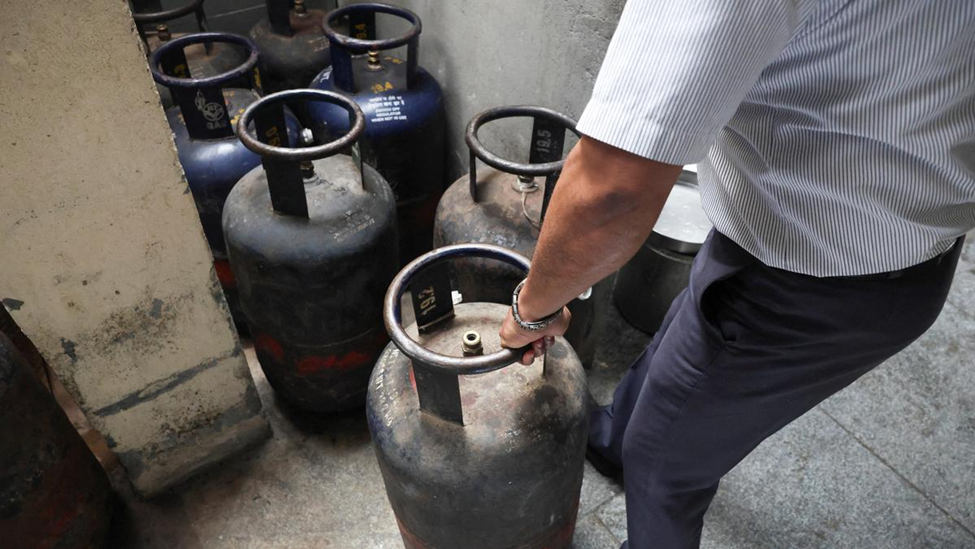
India’s hospitality sector is facing a serious operational challenge as a shortage of commercial cooking gas begins to affect hotels and restaurants across major cities. The supply disruption, triggered by the ongoing conflict in West Asia, has tightened the availability of liquefied petroleum gas (LPG) cylinders used by commercial kitchens, raising concerns among business owners and industry associations.
The crisis highlights how global geopolitical tensions can quickly ripple through supply chains and impact domestic industries. With India heavily dependent on LPG imports from Gulf nations, disruptions in the region are now being felt by restaurants, hotels and food businesses across the country.
Global Conflict Disrupting Energy Supply
The ongoing conflict in West Asia has disrupted energy shipments, particularly through the Strait of Hormuz — one of the world’s most critical maritime trade routes for oil and gas transport. A significant portion of India’s LPG imports passes through this corridor, making the country vulnerable to supply shocks when tensions escalate.
Shipping disruptions, military tensions and rising oil prices have collectively strained the global energy supply chain. As a result, LPG shipments from key suppliers such as Qatar and Saudi Arabia have slowed down, causing shortages in several importing countries including India.
India is currently one of the world’s largest LPG importers, and even minor disruptions in the Gulf region can create significant supply challenges. Analysts warn that if the conflict continues for a prolonged period, energy prices and supply constraints may worsen.
Hotels and Restaurants Under Pressure
Hotels and restaurants rely heavily on commercial LPG cylinders for daily cooking operations. Unlike households that use smaller cylinders for domestic consumption, commercial kitchens depend on larger cylinders to sustain high-volume food preparation.
The recent supply constraints have forced many restaurant owners to rethink operations. Some establishments have already reduced their menus, while others are considering temporary shutdowns if the situation persists.
In cities such as Bengaluru, Mumbai and Pune, hotel associations have warned that the shortage could severely impact business operations. In some cases, restaurants reported waiting hours at gas distribution centres without receiving fresh cylinders.
Industry representatives say that prolonged disruptions could result in revenue losses, job risks for hospitality workers and inconvenience for customers who rely on restaurants for daily meals.
Government Prioritises Domestic LPG Supply
In response to the emerging crisis, authorities have prioritised the distribution of LPG for household consumption. Oil marketing companies have been instructed to ensure uninterrupted supply to domestic users to prevent panic buying or shortages in residential areas.
However, this move has led to tighter availability for commercial users, particularly restaurants and food businesses that depend on regular gas deliveries.
While the government has maintained that domestic LPG supply remains stable, hospitality industry groups argue that the reduction in commercial gas allocation is creating operational challenges for businesses.
Industry bodies including hotel and restaurant associations have urged authorities to intervene and ensure a balanced distribution system so that commercial establishments can continue functioning without major disruption.
Rising Prices Add to Business Challenges
Apart from supply shortages, rising LPG prices are also adding pressure on businesses. Reports suggest that commercial LPG cylinder prices have already increased significantly due to tightening supply and global energy volatility.
Higher fuel costs directly affect restaurant operations because cooking gas is one of the primary operational expenses in the hospitality industry. When prices rise, businesses either absorb the cost or pass it on to customers through increased menu prices.
For smaller eateries, street vendors and local food stalls, the situation can be even more challenging. Many small businesses operate on thin profit margins, and sudden increases in energy costs can threaten their sustainability.
Possible Alternatives and Temporary Solutions
In response to the shortage, some restaurants have started exploring alternatives such as induction cooking, electric stoves or liquefied natural gas connections. While these options may provide temporary relief, they are not always practical for high-volume kitchens that require consistent heat output.
Industry experts believe that long-term solutions will require better energy diversification, improved storage capacity and stronger supply chain resilience to protect businesses from future geopolitical shocks.
A Reminder of Global Interdependence
The LPG shortage affecting India’s hospitality sector underscores the deep interconnection between global geopolitical events and domestic economic activity. What begins as a conflict thousands of kilometres away can quickly influence supply chains, commodity prices and everyday business operations.
As the West Asia conflict continues, policymakers and industry leaders will need to closely monitor energy supply conditions and take proactive measures to minimise disruptions.
For the hospitality sector, the coming weeks may prove critical. Ensuring consistent fuel availability will be essential not only for business continuity but also for the millions of consumers who depend on restaurants and hotels every day.
Follow for more updates regarding business related news at newsnownation.com.
