Diplomatic Push Amid Global Tensions
India has initiated a significant diplomatic effort to address emerging divisions within the BRICS grouping by sending out invitations for an upcoming Foreign Ministers’ meeting and the annual summit. The move comes at a time when geopolitical tensions, particularly due to ongoing global conflicts, have created visible differences among member nations.
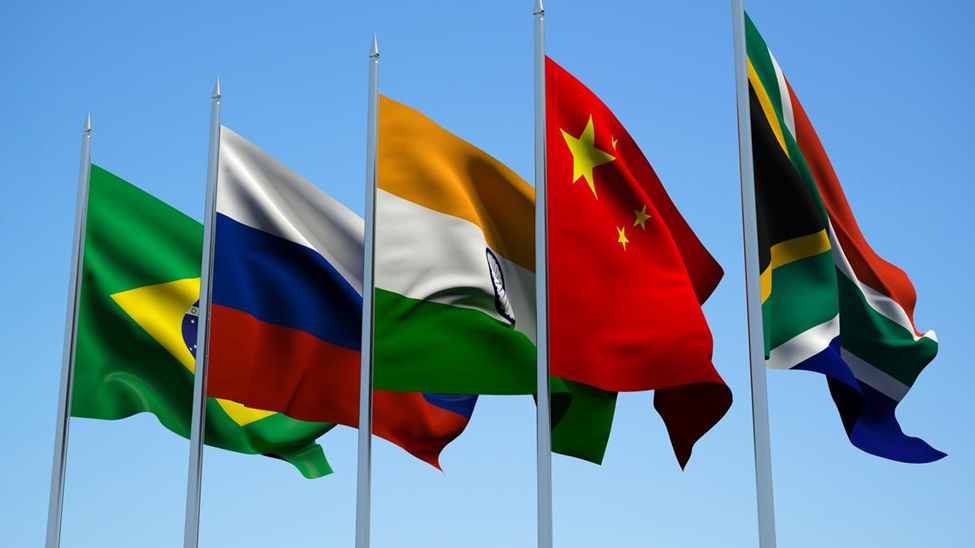
The BRICS bloc, comprising Brazil, Russia, India, China and South Africa, has long been considered a platform for cooperation among emerging economies. However, recent developments on the global stage have tested the unity of the group, especially in relation to differing positions on international conflicts.
New Delhi’s outreach reflects a proactive approach aimed at maintaining cohesion within the bloc and reinforcing its relevance in global governance.
India’s decision to host and convene discussions signals its intent to play a central role in bridging gaps and fostering dialogue among member countries. The invitations for both the Foreign Ministers’ meeting and the summit are seen as a step toward reviving consensus and strengthening cooperation.
Addressing Differences Within BRICS
The ongoing geopolitical environment has posed challenges for BRICS, with member nations adopting varying stances on key global issues. These differences have raised concerns about the group’s ability to function as a unified platform.
India’s diplomatic initiative is focused on creating space for dialogue and understanding. By bringing foreign ministers together ahead of the summit, New Delhi aims to lay the groundwork for constructive discussions and possible alignment on critical issues.
The effort also reflects India’s broader foreign policy approach of engaging with multiple stakeholders while maintaining strategic autonomy.
Through this initiative, India is attempting to ensure that differences do not overshadow the shared objectives of economic cooperation, development and multilateral engagement that define BRICS.
Strategic Importance of the Summit
The upcoming BRICS summit holds significant importance, as it provides an opportunity for leaders to address both internal differences and external challenges. The summit is expected to cover a wide range of topics, including economic cooperation, trade, security and global governance reforms.
India’s role as a host or key facilitator underscores its growing influence in international diplomacy. By taking the lead in organizing discussions, India is positioning itself as a mediator capable of balancing diverse interests.
The summit is also likely to focus on strengthening institutional mechanisms within BRICS, ensuring that the grouping remains effective in addressing global challenges.
India’s Balancing Role in Global Politics
India’s approach to BRICS reflects its broader diplomatic strategy of balancing relationships with major global powers while maintaining its independent stance.
In recent years, India has engaged actively with multiple international platforms, including the G20 and Quad, while continuing to participate in BRICS. This multi-alignment strategy allows India to navigate complex geopolitical dynamics.
By reaching out to BRICS members at a time of tension, India is reinforcing its image as a responsible and constructive global actor.
The initiative also highlights India’s emphasis on dialogue and cooperation as key tools for resolving differences.
Economic and Developmental Agenda
Beyond political considerations, BRICS remains an important platform for economic collaboration among emerging economies. The group has been instrumental in promoting initiatives such as the New Development Bank, which supports infrastructure and sustainable development projects.
India’s push for renewed engagement within BRICS is also driven by the need to strengthen economic partnerships and enhance trade opportunities.
The Foreign Ministers’ meeting is expected to discuss ways to boost economic cooperation, address trade challenges and explore new areas of collaboration.
Ensuring stability within BRICS is crucial for maintaining investor confidence and fostering growth among member nations.
Challenges Ahead
While India’s initiative has been widely noted, the success of these efforts will depend on the willingness of member countries to engage in constructive dialogue.
Differences in political priorities, strategic interests and global alignments may continue to pose challenges.
However, the decision to initiate discussions itself is seen as a positive step, signaling a commitment to preserving the relevance of BRICS.
Strengthening Multilateral Cooperation
In a rapidly changing global landscape, platforms like BRICS play an important role in promoting multilateral cooperation.
India’s efforts to bring member nations together highlight the importance of dialogue in addressing complex global issues.
By focusing on common goals such as development, economic growth and global stability, BRICS can continue to serve as a valuable platform for collaboration.
Looking Ahead
As preparations for the Foreign Ministers’ meeting and summit progress, attention will be on how effectively India can facilitate discussions and build consensus among member countries.
The outcomes of these meetings will have implications not only for BRICS but also for the broader global order.
India’s proactive diplomacy underscores its commitment to strengthening international cooperation and addressing challenges through dialogue.
The coming weeks are expected to provide greater clarity on the direction of BRICS and the role India will play in shaping its future.
Follow for more updates regarding business related news in newsnownation.com.
