India’s resilience in a volatile global order
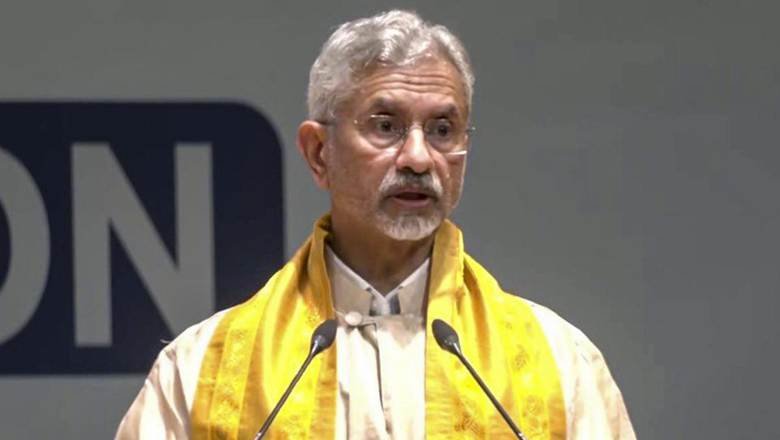
India has demonstrated remarkable resilience in navigating a series of unprecedented global shocks, External Affairs Minister S. Jaishankar said, highlighting the country’s ability to manage both domestic and international challenges effectively. Speaking at a convocation event in Raipur, he emphasized that despite a turbulent global environment shaped by geopolitical conflicts, economic disruptions, and technological shifts, India has remained stable and forward-looking.
Over the past few years, the world has experienced multiple crises, including the COVID-19 pandemic, the Russia-Ukraine conflict, and ongoing tensions in West Asia. These events have not only disrupted supply chains and global markets but have also reshaped the international order. According to Jaishankar, such developments have tested the resilience of nations across the globe, yet India has “come through them solidly,” managing pressures without compromising growth or stability.
Strategic response to global uncertainty
Jaishankar pointed out that the nature of global challenges has evolved significantly. Today’s geopolitical and economic environment is increasingly unpredictable, with countries leveraging resources, technology, and even trade as strategic tools. In this context, he stressed the importance of adopting a strategy based on “hedge, de-risk, and diversify” to safeguard national interests.
This approach is not only relevant for foreign policy but also for businesses and economic planning. Diversifying supply chains, reducing overdependence on specific regions, and building domestic capabilities have become critical priorities. India’s policy direction reflects these realities, as the country continues to strengthen its economic and strategic autonomy.
Economic strength and optimism driving growth
A key factor behind India’s resilience is its strong economic foundation. Over the past decade, India has emerged as one of the world’s fastest-growing major economies, currently ranking among the top five globally. This growth has been supported by structural reforms, digital transformation, and increased infrastructure investment.
Jaishankar highlighted that this economic progress has created a sense of optimism within Indian society. Unlike many parts of the world facing uncertainty and stagnation, India’s outlook remains positive. The confidence generated by sustained growth has reinforced the belief that the country is well-positioned to handle future challenges.
Moreover, initiatives focused on inclusive growth, representative governance, and decisive leadership have contributed to building a robust foundation for long-term development. These elements have enabled India to not only withstand global shocks but also continue advancing toward its goal of becoming a developed nation.
Role of technology and digital transformation
India’s rapid adoption of digital technologies has played a crucial role in enhancing its resilience. From digital payments to governance platforms, technology has been integrated into everyday life at an unprecedented scale. This has improved efficiency, transparency, and accessibility, enabling the country to respond more effectively to crises.
Jaishankar noted that India’s approach to digital transformation is unique, as it has been applied purposefully to drive social and economic change. This has provided the country with a competitive edge, especially in an era where technology is increasingly shaping global dynamics.
Global shifts and India’s rising influence
The global order is undergoing significant transformation, with shifts in power and influence among nations. Emerging technologies, changing energy dynamics, and evolving geopolitical alliances are redefining international relations. In this environment, India’s ability to maintain stability while adapting to change has strengthened its position on the global stage.
Jaishankar emphasized that building national capabilities is essential in such a scenario. Countries that invest in their own strengths are better equipped to navigate uncertainties and leverage opportunities. For India, this means focusing on self-reliance while also engaging in trusted partnerships.
Managing external and domestic challenges
India’s success in dealing with global shocks can also be attributed to its balanced approach in managing both external and internal challenges. While global crises have impacted economies worldwide, India has been able to mitigate their effects through proactive policymaking and strategic interventions.
For instance, maintaining strong foreign exchange reserves, ensuring energy security, and supporting key sectors have helped cushion the impact of external disruptions. At the same time, domestic policies aimed at boosting consumption, investment, and innovation have sustained economic momentum.
Jaishankar’s remarks underline the importance of preparedness and adaptability in today’s interconnected world. As global challenges become more complex, countries need to develop comprehensive strategies that address both immediate risks and long-term objectives.
The road ahead for India
Looking ahead, India’s focus will remain on strengthening its economic and strategic capabilities. The emphasis on diversification, innovation, and resilience will continue to guide policy decisions. By building on its existing strengths and addressing emerging challenges, India aims to secure a stable and prosperous future.
Jaishankar’s statement reflects a broader narrative of confidence in India’s trajectory. While uncertainties in the global environment persist, the country’s ability to adapt and thrive has positioned it as a key player in the evolving world order.
India’s journey through recent global shocks serves as a testament to its resilience and potential. As the nation continues to grow and transform, its experience offers valuable lessons for navigating uncertainty in an increasingly complex and interconnected world.
Follow for more updates regarding business related news in newsnownation.com.
