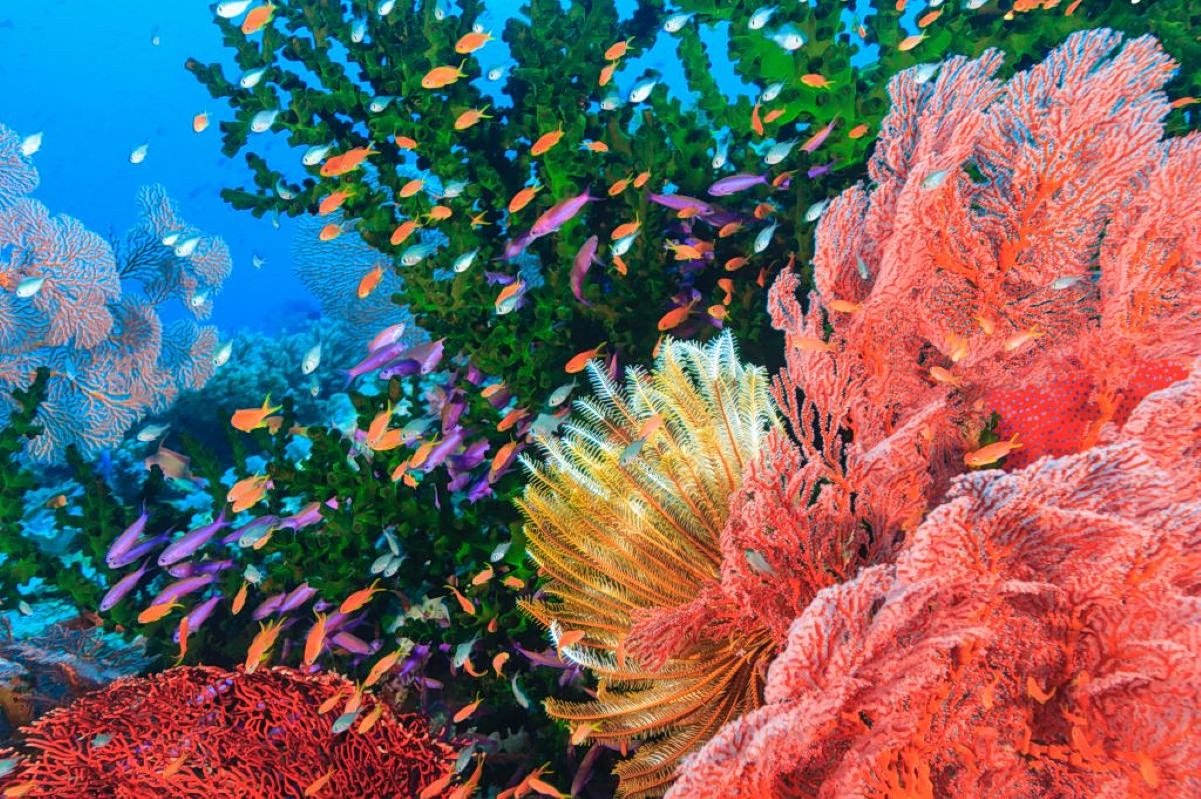
New Findings Offer Optimism for the Future of the World’s Oceans
In a significant breakthrough for marine science and environmental conservation, researchers have identified a vast network of coral reefs that appear far more resilient to climate-related stress than previously believed. The discovery is being hailed as one of the most encouraging developments in ocean conservation in recent years, providing fresh hope for ecosystems that have increasingly come under threat from rising ocean temperatures, coral bleaching, and climate change.
Scientists estimate that approximately 64,000 square miles of coral reef habitat may possess a greater ability to withstand environmental pressures than earlier studies suggested. The findings challenge long-held assumptions about the vulnerability of coral ecosystems and could reshape global conservation strategies aimed at protecting marine biodiversity.
For environmentalists, policymakers, and coastal communities worldwide, the discovery represents a rare piece of positive news in the ongoing battle against climate change.
Why Coral Reefs Matter
Coral reefs are often referred to as the “rainforests of the sea” because of the extraordinary biodiversity they support.
Although they cover less than one percent of the ocean floor, coral reefs provide habitat for approximately 25 percent of all marine species. Fish, crustaceans, mollusks, and countless other marine organisms rely on healthy reef systems for food, shelter, and reproduction.
Beyond their ecological importance, reefs also play a crucial role in supporting human communities. They contribute to fisheries, tourism, food security, and coastal protection for hundreds of millions of people around the world.
Healthy coral reefs act as natural barriers against storm surges and coastal erosion, helping protect vulnerable coastlines from extreme weather events.
Given their importance, concerns about coral decline have become a major focus of environmental research over the past two decades.
A Discovery That Challenges Previous Assumptions
For years, scientists have warned that rising ocean temperatures, marine heatwaves, and coral bleaching events could significantly reduce global reef coverage.
While those concerns remain valid, the latest research suggests that certain reef systems may possess greater resilience than previously understood.
Researchers identified extensive coral reef regions that have demonstrated an ability to survive environmental stress and recover following climate-related disturbances. These reefs appear to possess characteristics that make them better equipped to adapt to changing ocean conditions.
Scientists caution that resilience does not mean immunity. Coral reefs remain vulnerable to climate change, pollution, overfishing, and habitat destruction. However, the discovery provides evidence that some reef systems may have a stronger capacity for survival than earlier projections indicated.
The findings are encouraging because they suggest conservation efforts can focus on protecting areas that may serve as important refuges for marine biodiversity in the future.
Understanding Coral Resilience
Researchers believe several factors contribute to the resilience observed in these reef systems.
Local environmental conditions, water circulation patterns, genetic diversity, and historical exposure to temperature fluctuations may all play a role in helping certain coral communities withstand stress.
Some coral species appear capable of adapting to warmer conditions over time, while others benefit from ecosystems that naturally moderate temperature extremes.
Marine scientists are increasingly studying these resilient reefs to better understand how adaptation occurs and how conservation strategies can incorporate these insights.
The findings could help identify priority areas for protection and guide restoration efforts in regions where coral ecosystems remain under threat.
Implications for Global Conservation
The discovery has important implications for conservation planning worldwide.
For years, environmental organizations have focused on protecting vulnerable reef systems while working to reduce human impacts on marine ecosystems. The identification of resilient reef networks adds another dimension to these efforts.
Conservation experts suggest that safeguarding resilient reefs could help preserve biodiversity while providing a foundation for future reef recovery.
Protecting these areas may become increasingly important as climate change continues to place pressure on marine environments.
The findings also reinforce the importance of investing in scientific research and long-term monitoring programs. Understanding which ecosystems are most capable of adapting to environmental change can help policymakers allocate resources more effectively.
Many experts believe the discovery demonstrates that proactive conservation remains worthwhile despite ongoing environmental challenges.
A Positive Signal Amid Climate Concerns
Climate change continues to present serious risks to oceans worldwide, and scientists emphasize that the latest findings should not be interpreted as a reason for complacency.
However, the discovery does offer something that environmental discussions often lack: optimism grounded in scientific evidence.
Rather than focusing solely on loss and decline, the research highlights the remarkable adaptability that exists within natural ecosystems.
Scientists say resilient coral reefs provide valuable opportunities to learn how marine ecosystems respond to environmental stress and how conservation efforts can support long-term recovery.
The findings underscore the fact that nature often possesses greater complexity and resilience than initially assumed.
Why This Matters for India
For India, the discovery carries particular significance.
The country is home to important coral reef ecosystems in regions such as the Gulf of Mannar, Lakshadweep Islands, Gulf of Kutch, and the Andaman and Nicobar Islands. These reefs support biodiversity, fisheries, tourism, and coastal livelihoods.
As India strengthens its focus on sustainability and marine conservation, research into coral resilience may provide valuable insights for protecting domestic reef systems and supporting coastal communities.
The findings also reinforce the importance of balancing economic development with environmental stewardship.
Looking Ahead
While challenges facing the world’s oceans remain substantial, the discovery of extensive resilient coral reef networks offers a powerful reminder that conservation efforts can yield positive outcomes.
Scientists believe the findings will help guide future research, improve conservation planning, and strengthen strategies for protecting marine biodiversity.
Most importantly, the research demonstrates that hope remains an important part of environmental science. Even as climate challenges intensify, understanding and protecting nature’s resilience may prove to be one of humanity’s most valuable tools.
For policymakers, conservationists, and citizens alike, the message is clear: protecting the world’s oceans is not simply about preventing loss—it is also about preserving the ecosystems that continue to demonstrate extraordinary potential for survival and recovery.
For more updates on business, sustainability, innovation, science, and global developments, follow NewsNowNation.com.
Coral Reef Network, Coral Reef Conservation, Marine Biodiversity, Ocean Conservation, Climate Resilience, Coral Bleaching, Marine Ecosystems, Climate Change Solutions, Environmental Sustainability, Reef Restoration, Ocean Health, Biodiversity Protection, Marine Science, Coral Reef Discovery, Global Conservation

