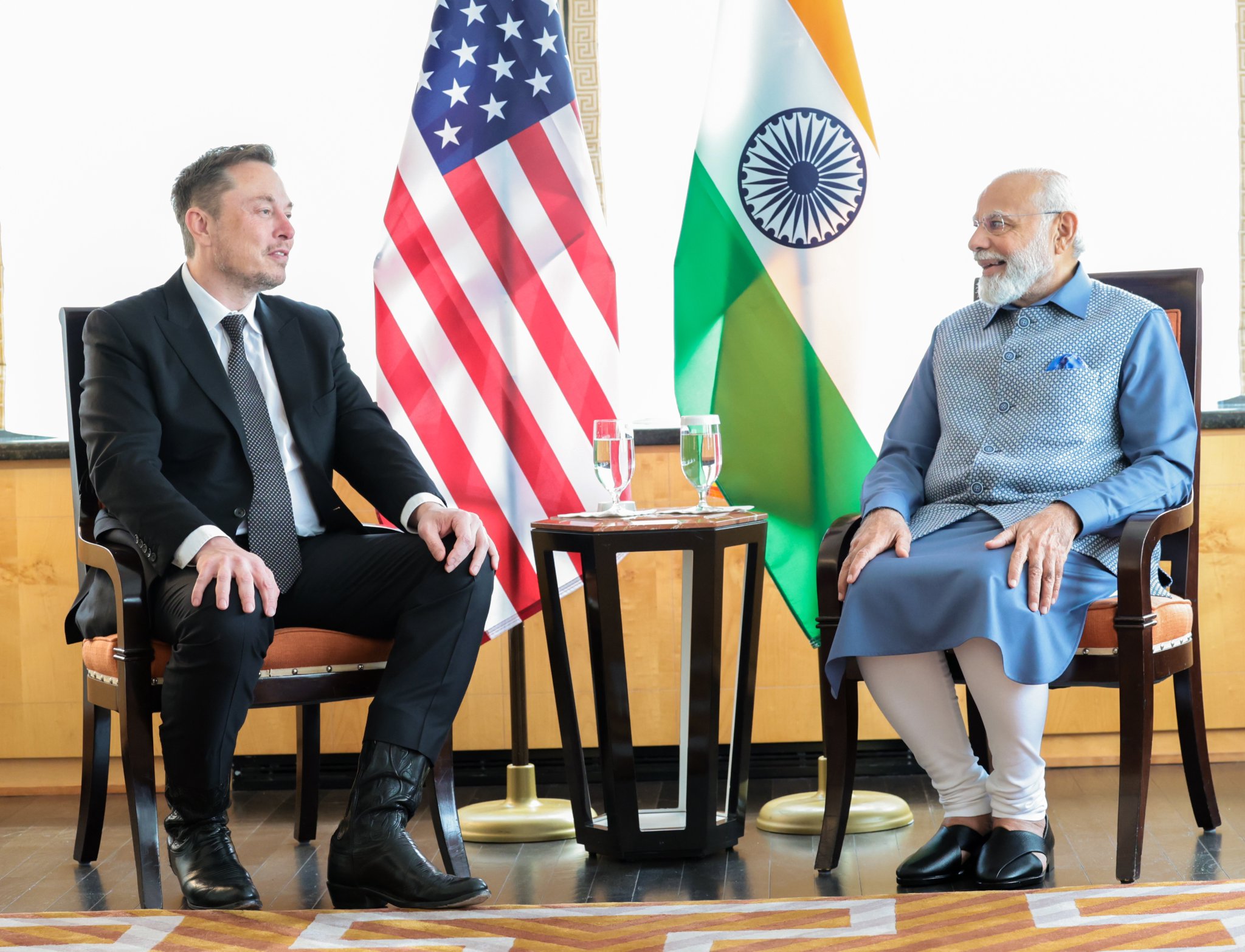
Prime Minister Narendra Modi recently held a productive meeting with presidents of various political parties, addressing multiple issues of national importance.
Discussing National Issues with Political Party Presidents
In a tweet, PM Modi expressed his satisfaction with the meeting, highlighting the significance of the discussions. He stated, “I had a great meeting with presidents of various political parties. We engaged in fruitful conversations about multiple issues of national importance. I extend my gratitude to the esteemed leaders for their well-informed suggestions.”
Exploring the Feasibility of “One Nation, One Election”
During the meeting, the government announced its intention to explore the concept of “One Nation, One Election,” considering the majority support it garnered from political parties. To facilitate this exploration, Prime Minister Narendra Modi will establish a committee tasked with studying the feasibility of implementing the idea.
It is worth noting that despite the absence of the main opposition party, Congress, and several other major parties such as DMK, TMC, TDP, JD (S), SP, and BSP, the meeting saw the participation of prominent leaders. Chief Ministers from Bihar, Andhra Pradesh, and Odisha actively engaged in the discussions, alongside representatives from left parties, NCP, and Akali Dal.
Embracing the Vision of “One Nation, One Election”
The concept of “One Nation, One Election” proposes synchronizing the electoral cycles of various tiers of governance, such as the Lok Sabha, state legislative assemblies, and local bodies. This approach aims to streamline the electoral process, enhance governance efficiency, and reduce the burden on voters and the administration.
By implementing this concept, the government envisions a harmonious electoral framework that promotes long-term policy planning and greater stability. It also intends to foster a stronger connection between citizens and their elected representatives by minimizing the frequent disruptions caused by recurring elections.
Assessing the Viability of the Concept
Recognizing the significance of such a monumental shift in India’s democratic system, Prime Minister Narendra Modi has taken the initiative to establish a committee. This committee will delve into the various aspects of “One Nation, One Election” and evaluate its feasibility.
The committee’s mandate includes conducting an in-depth study on the practicality, legal implications, and logistical challenges associated with synchronized elections. It will assess the potential benefits, address concerns, and present recommendations for the successful implementation of this visionary concept.
Promoting Coordinated Governance
The successful implementation of “One Nation, One Election” could foster a more synchronized and efficient governance structure. By aligning election cycles, political parties and their representatives will have an extended period to focus on delivering their promises and executing developmental initiatives.
This synchronized approach will curtail the frequent disruptions caused by separate elections, enabling governments to pursue their policies with greater continuity and effectiveness. Moreover, it would streamline administrative efforts and financial resources, leading to substantial savings and improved utilization of public funds.
Conclusion
Prime Minister Narendra Modi’s recent meeting with presidents of various political parties served as a platform for fruitful discussions on pressing national issues. The proposal to explore the concept of “One Nation, One Election” demonstrates the government’s commitment to transformative reforms. As the committee examines the feasibility of this idea, it is essential to consider its potential impact on India’s democratic fabric and governance efficiency. Through collaborative efforts, India can forge a path toward synchronized elections, fostering a more harmonious and progressive political landscape.

