Key Push Towards Domestic Electronics Manufacturing
The Indian government has approved 29 investment proposals worth ₹7,104 crore under the Electronics Component Manufacturing Scheme, marking a significant step toward strengthening the country’s domestic manufacturing capabilities. The decision is aimed at reducing import dependency, boosting local production and positioning India as a global hub for electronics manufacturing.
This move comes at a time when India is actively working to enhance its presence in the global electronics supply chain. With increasing demand for electronic devices, both domestically and internationally, the need for a strong and self-reliant manufacturing ecosystem has become more critical than ever.
The approved proposals span multiple segments of electronics manufacturing, including components used in mobile phones, consumer electronics and industrial equipment. By encouraging domestic production, the government aims to create a robust ecosystem that supports innovation, efficiency and long-term growth.
The scheme is expected to attract both domestic and international players, fostering a competitive environment that drives technological advancement. It also aligns with broader initiatives such as “Make in India” and “Digital India,” which focus on promoting manufacturing and digital transformation across sectors.
One of the key objectives of the scheme is to reduce India’s reliance on imported electronic components. Currently, a significant portion of components used in manufacturing is sourced from other countries, making the supply chain vulnerable to global disruptions. By building local capabilities, the government aims to ensure greater resilience and stability.
The investment approvals are also expected to generate employment opportunities across various skill levels. From manufacturing and assembly to research and development, the expansion of the electronics sector will create jobs and contribute to economic growth.
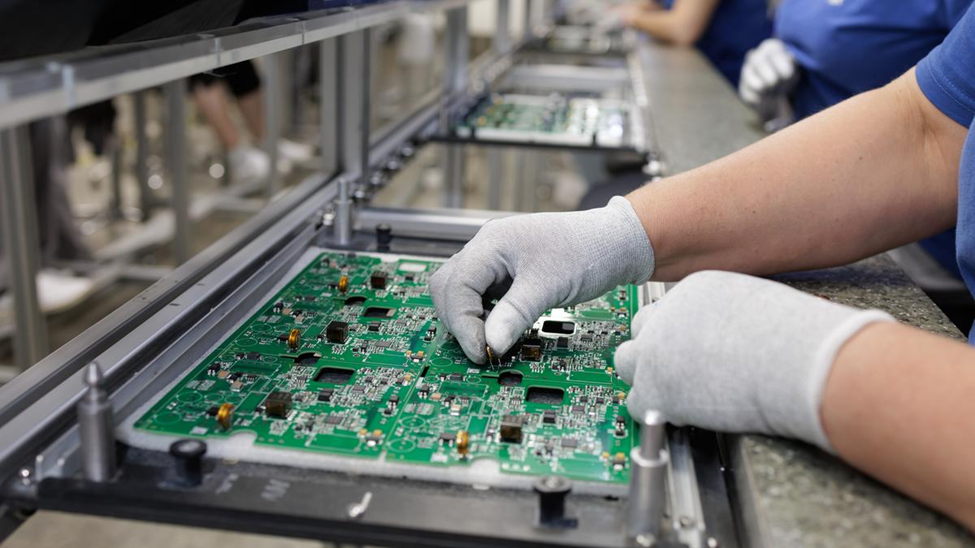
Industry experts believe that the scheme could play a crucial role in attracting investments into high-value segments such as semiconductor components, printed circuit boards and other critical parts. This, in turn, could help India move up the value chain and become a key player in advanced manufacturing.
The government’s focus on infrastructure development and ease of doing business is also likely to support the success of these projects. Improved logistics, streamlined regulations and supportive policies will create a conducive environment for investors.
Another important aspect of the scheme is its potential to boost exports. As domestic manufacturing capabilities improve, India will be better positioned to meet global demand and expand its export footprint in the electronics sector.
The timing of this initiative is particularly significant, given the ongoing shifts in global supply chains. Many companies are looking to diversify their manufacturing bases, and India is emerging as a preferred destination due to its large market, skilled workforce and supportive policy framework.
In addition to economic benefits, the scheme is expected to drive innovation and technological development. Increased investment in manufacturing will encourage companies to invest in research and development, leading to the creation of advanced products and solutions.
The electronics sector is a key driver of modern economies, supporting industries such as telecommunications, healthcare, automotive and consumer goods. Strengthening this sector will have a multiplier effect, benefiting various parts of the economy.
The government’s decision also reflects a long-term vision of building a self-reliant India. By focusing on domestic manufacturing, the country aims to reduce external dependencies and enhance its strategic capabilities.
As the approved projects move into implementation, their impact will be closely watched by industry stakeholders and policymakers. Successful execution will be critical in achieving the desired outcomes and establishing India as a global leader in electronics manufacturing.
The initiative also highlights the importance of collaboration between the government and industry. By working together, both sides can address challenges and create opportunities for growth and development.
Overall, the approval of ₹7,104 crore worth of investment proposals represents a significant milestone in India’s journey toward becoming a manufacturing powerhouse. It underscores the government’s commitment to fostering innovation, creating jobs and building a resilient economy.
With continued policy support and industry participation, the electronics manufacturing sector is poised for substantial growth in the coming years, contributing to India’s economic progress and global competitiveness.
Follow for more updates regarding business related news in newsnownation.com.
