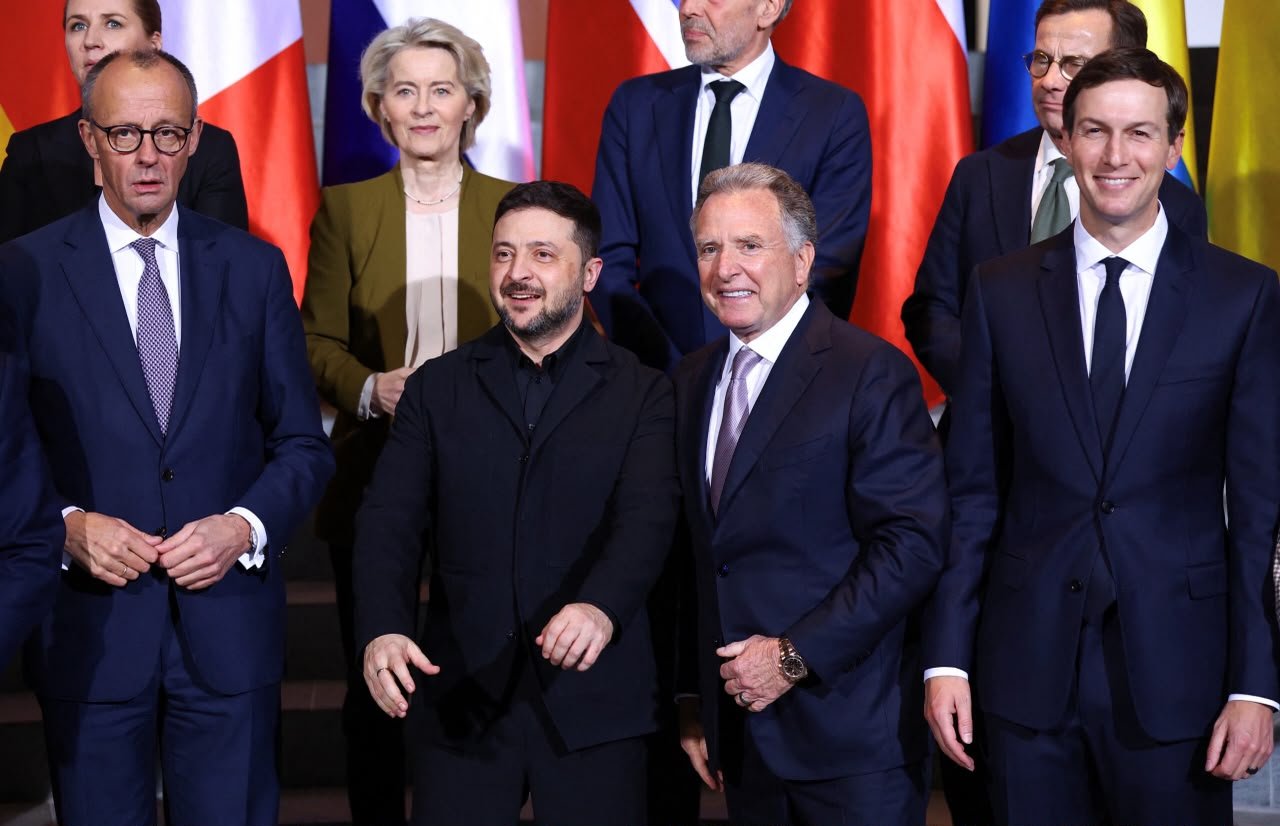
International Leaders Seek New Pathways to End the Ukraine Conflict
Global attention remained focused on Ukraine this week as leaders of the Group of Seven (G7) nations reaffirmed their support for Kyiv and discussed fresh diplomatic strategies aimed at advancing prospects for peace. During meetings held at the G7 Summit in Évian-les-Bains, France, Ukrainian President Volodymyr Zelenskyy said participating leaders shared strong ideas on increasing pressure to encourage a peaceful resolution to the conflict. The discussions highlighted growing international efforts to combine diplomatic engagement, economic measures, and security assistance in pursuit of long-term stability in the region.
The war in Ukraine continues to have far-reaching consequences for global security, energy markets, trade flows, and international diplomacy. As a result, developments surrounding peace negotiations remain closely watched by governments, businesses, and financial markets worldwide.
G7 leaders used the summit to reaffirm support for Ukraine’s sovereignty and territorial integrity while exploring ways to strengthen diplomatic leverage and encourage meaningful negotiations. Alongside discussions about sanctions and security assistance, leaders emphasized the importance of maintaining international unity in support of a rules-based global order.
The summit underscored the continued role of multilateral cooperation in addressing one of the most significant geopolitical challenges facing the international community.
Why the G7 Discussions Matter
The G7 consists of some of the world’s largest advanced economies, including the United States, Canada, France, Germany, Italy, Japan, and the United Kingdom, with participation from the European Union. Decisions and statements emerging from the group often influence international policy, economic confidence, and geopolitical strategy.
At the recent summit, leaders reiterated their commitment to supporting Ukraine while examining new measures designed to increase pressure on Russia and strengthen conditions for future diplomatic engagement. Discussions included additional sanctions, energy security cooperation, defense support, and economic resilience initiatives.
For Ukraine, continued international backing remains critical. President Zelenskyy highlighted the importance of maintaining support for the country’s defense capabilities and energy infrastructure, particularly as the conflict continues to place significant pressure on civilian and economic systems.
Observers noted that the tone of discussions reflected cautious optimism. While major challenges remain, diplomatic engagement between international stakeholders has continued, creating opportunities for future negotiations.
Impact on the Global Economy
The Ukraine conflict has had a substantial impact on the global economy since it began. Energy prices, food supply chains, inflation, commodity markets, and investor sentiment have all been influenced by developments in the region.
As a result, any progress toward diplomatic solutions carries significant economic implications. Financial markets often respond positively to signs of reduced geopolitical uncertainty, while businesses benefit from greater predictability in international trade and investment environments.
European economies in particular continue to focus on energy diversification and long-term resilience strategies. The G7 discussions reinforced commitments to strengthening energy security and reducing vulnerabilities associated with geopolitical disruptions.
For emerging markets and developing economies, a stable geopolitical environment could help ease pressure on supply chains and support broader economic recovery efforts.
Continued International Support for Ukraine
One of the key outcomes of the summit was the reaffirmation of support for Ukraine from major international partners. Leaders discussed ongoing assistance aimed at helping the country strengthen its defense capabilities, maintain critical infrastructure, and support long-term recovery planning.
Support measures also included efforts to enhance energy resilience, a critical issue given the repeated impact of attacks on infrastructure facilities. Maintaining reliable energy access remains essential for economic activity, public services, and civilian welfare.
In addition to military and economic assistance, leaders emphasized diplomatic engagement as an important component of any future resolution process. International organizations and partner nations continue to advocate for solutions that promote stability, security, and respect for international law.
Looking Ahead
While significant obstacles remain before a comprehensive peace settlement can be achieved, recent discussions at the G7 Summit indicate that diplomatic efforts remain active and international engagement remains strong.
Analysts believe that sustained dialogue, coordinated international action, and continued support for diplomatic initiatives will play an important role in shaping future developments. The coming months are expected to be critical as global leaders seek opportunities to advance negotiations and reduce tensions.
The latest G7 discussions serve as a reminder that international cooperation remains a key tool in addressing complex global conflicts. Although a final resolution may take time, the willingness of world leaders to continue exploring diplomatic pathways reflects a shared interest in achieving long-term peace, stability, and economic security.
For more updates on business, economy, geopolitics, global affairs, startups, and policy developments, follow News Now Nation at www.newsnownation.com.

