Digital Health Expansion and Ground Reality
India’s push toward digital healthcare is being seen as a transformative step in modernizing the country’s health infrastructure. With initiatives focused on digitisation, artificial intelligence, and integrated health platforms, the government aims to make healthcare more accessible, efficient and data-driven. However, beneath this ambitious transition lies a critical question — who bears the real cost of this transformation?
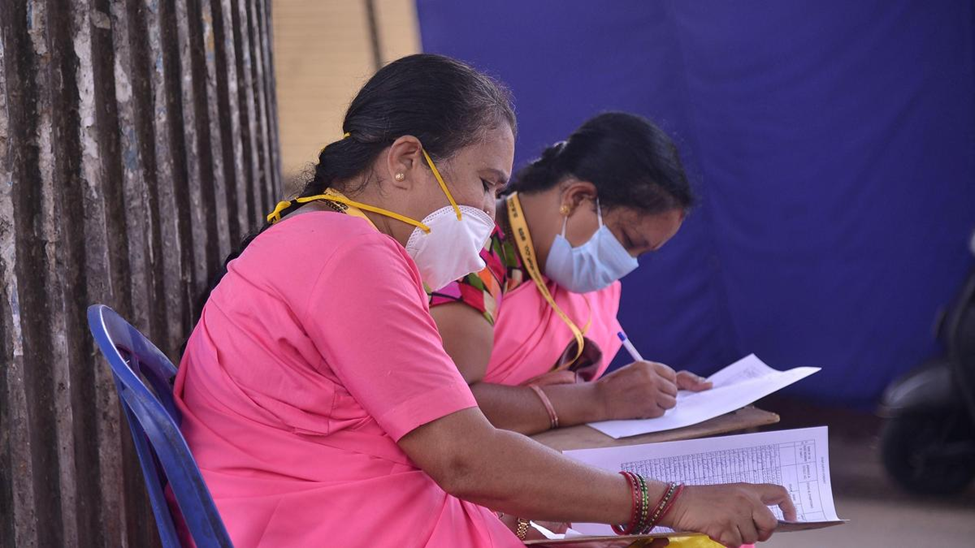
At the centre of this discussion are ASHA workers, the backbone of India’s rural healthcare system. These frontline workers have played a crucial role in delivering essential health services, particularly in remote and underserved areas. From maternal care to vaccination drives, their contribution has been instrumental in strengthening public health outcomes.
As India moves towards digital platforms and AI-based systems, ASHA workers are increasingly being required to adopt new technologies. They are expected to use smartphones, applications and digital tools to record patient data, monitor health conditions and coordinate with healthcare systems.
While this shift promises efficiency, it also introduces new challenges. Many ASHA workers face difficulties in adapting to digital tools due to limited training, lack of digital literacy and inadequate infrastructure. In rural areas, issues such as poor internet connectivity and lack of reliable devices further complicate the situation.
The burden of digitalisation often falls disproportionately on these workers, who are already operating under demanding conditions. In many cases, they are required to use personal devices or bear additional costs related to mobile data and maintenance. This raises concerns about whether the transition is truly inclusive.
Technology vs Accessibility in Healthcare
India’s digital health mission aims to create a unified system where patient data can be accessed seamlessly across healthcare providers. Artificial intelligence is expected to assist in diagnostics, treatment planning and health monitoring.
However, experts argue that the rapid adoption of technology must be accompanied by adequate support systems. Without proper training and resources, frontline workers may struggle to effectively implement these changes.
There is also a risk that excessive reliance on technology could widen existing inequalities in healthcare. Urban areas with better infrastructure are likely to benefit more, while rural regions may lag behind.
The digital divide remains a significant challenge. Access to smartphones, internet connectivity and digital literacy varies widely across different regions and communities. If not addressed, these disparities could limit the effectiveness of digital health initiatives.
Cost and Accountability
Another key concern is the financial aspect of the digital health push. While large-scale investments are being made in technology and infrastructure, the question of who ultimately pays for these changes remains unresolved.
Frontline workers often bear hidden costs, including time spent on data entry, additional responsibilities and out-of-pocket expenses. At the same time, patients may face indirect costs related to accessing digital services or navigating new systems.
The role of private technology providers in digital healthcare also raises questions about accountability and data ownership. As healthcare systems become more digitised, ensuring the security and privacy of patient data becomes critical.
There is a growing need for clear policies that define responsibilities, protect user rights and ensure transparency in the use of digital health technologies.
Balancing Innovation and Human Effort
India’s healthcare system has long relied on human effort and community-based approaches. ASHA workers, Anganwadi workers and other frontline staff have built trust within communities through direct interaction and personalised care.
The introduction of digital systems should complement, rather than replace, these human elements. Technology can enhance efficiency, but it cannot substitute the empathy and understanding that frontline workers bring to their roles.
Experts suggest that a balanced approach is essential. Investments in technology should be matched with investments in training, infrastructure and support for healthcare workers.
Providing incentives, improving working conditions and ensuring fair compensation for additional responsibilities can help make the transition smoother and more equitable.
Policy Implications and the Way Forward
The debate around India’s digital health push highlights the need for inclusive policy-making. While technological advancements are necessary for progress, they must be implemented in a way that considers the realities on the ground.
Policymakers need to engage with frontline workers, understand their challenges and incorporate their feedback into the design of digital systems. This participatory approach can help create solutions that are practical and effective.
Strengthening infrastructure, improving connectivity and expanding digital literacy programs will be crucial in bridging the gap between policy and implementation.
Moreover, ensuring that the benefits of digital health initiatives reach all sections of society is essential for achieving equitable healthcare outcomes.
India’s journey from ASHA to AI represents a significant shift in the healthcare landscape. While the potential benefits of digitalisation are immense, the transition must be managed carefully to avoid placing an undue burden on frontline workers and vulnerable communities.
The success of this transformation will depend on how well the system balances innovation with inclusivity, ensuring that progress does not come at the cost of those who form the foundation of the healthcare system.
As India continues to embrace digital health, the focus must remain on creating a system that is not only technologically advanced but also equitable, accessible and sustainable.
Follow for more updates regarding business related news in newsnownation.com.
