Blending Modern Medicine with Spiritual Healing for a Healthier Society
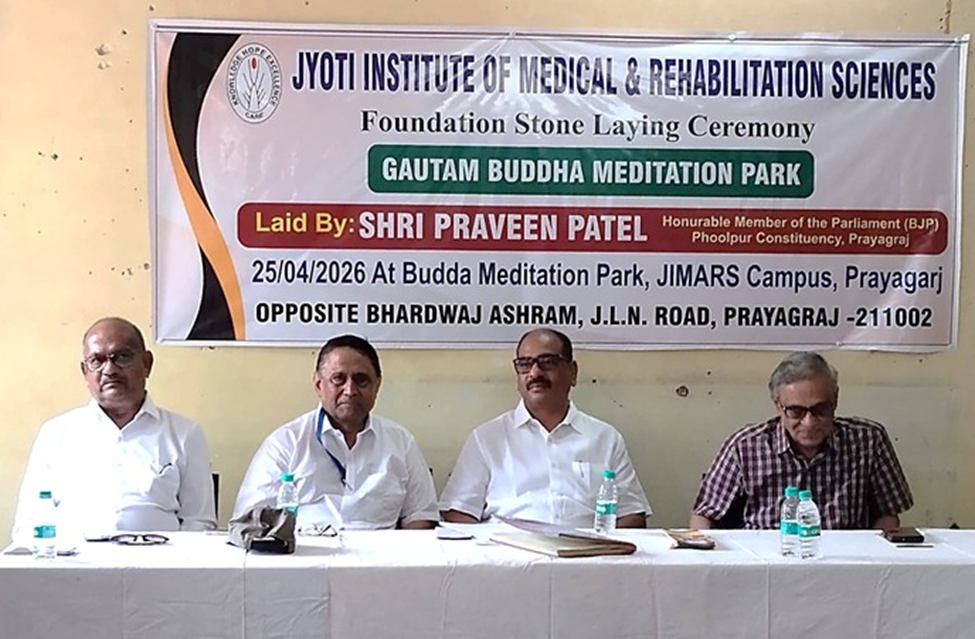
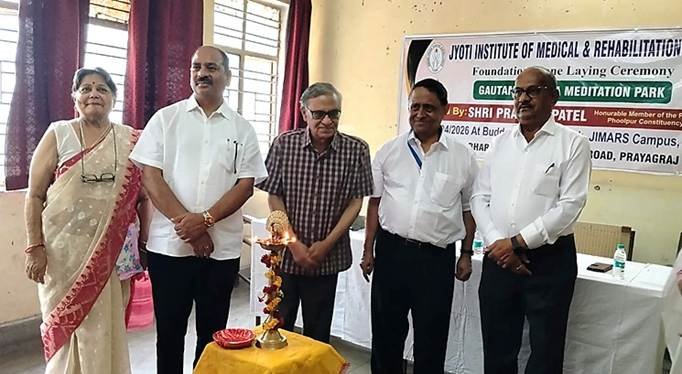
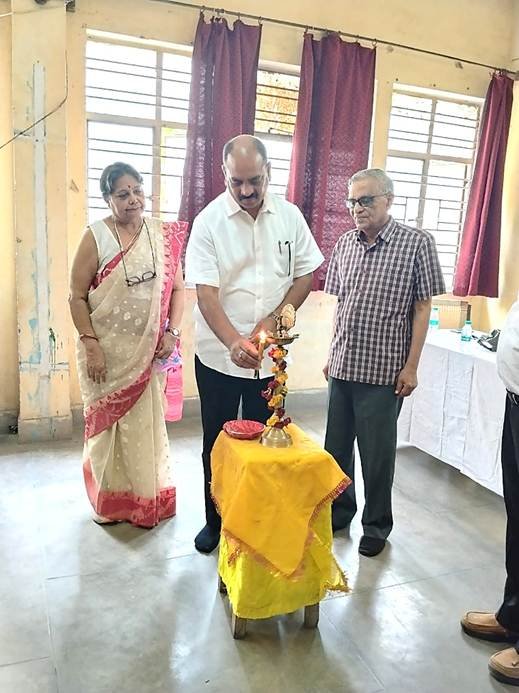
Prayagraj marked a significant step forward in the field of holistic healthcare and rehabilitation as the foundation stone of the Gautam Buddha Meditation Park was laid at the Jyoti Institute of Medical & Rehabilitation Sciences (JIMARS) on April 25, 2026. The ceremony, held at 11:30 AM in the Academic Auditorium of the institute, brought together medical professionals, academicians, dignitaries, and members of the community to witness a project that promises to redefine healing and recovery in the region.
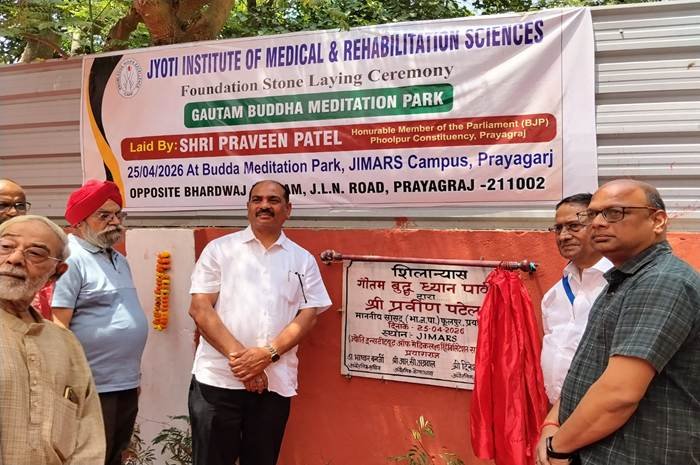
The foundation stone was laid by Shri Praveen Patel, Honourable Member of Parliament from the Phoolpur constituency, who graced the occasion as the Chief Guest. The event coincided with two important occasions—Hindu New Year and Ambedkar Jayanti—making it both culturally and socially meaningful. By choosing Ambedkar Jayanti for this ceremony, JIMARS reinforced its commitment to the ideals of equality, inclusivity, and accessible healthcare for all sections of society.
The Gautam Buddha Meditation Park is envisioned as a pioneering initiative that goes beyond the traditional understanding of medical infrastructure. It is designed as a therapeutic space that integrates mental tranquillity with physical healing, offering a calm and eco-friendly environment for patients. The park aims to support individuals recovering from neurological, orthopaedic, and psychological conditions, particularly focusing on specially-abled individuals, elderly patients, and those dealing with long-term rehabilitation needs.
Unlike conventional parks, this project is rooted in the bio-psycho-social model of healthcare, which emphasizes that true healing requires a balance of physical, mental, and social well-being. By combining meditation practices with advanced rehabilitation techniques, JIMARS is creating a space where patients can heal not only physically but also emotionally and mentally. This integration of Indian knowledge systems with modern medical science represents a forward-thinking approach that is still rare in many parts of the country.
The ceremony began with a formal welcome extended by Dr. Bhasker Banerji, the Chief Functionary and a renowned orthopaedic surgeon known for his contributions to rehabilitation and regenerative medicine. His vision for the meditation park reflects years of experience in understanding the deeper dimensions of healing. He emphasized that recovery is not just about treatment but about creating an environment where the mind finds peace and the body responds positively to care.
Eminent psychologist Prof. R.C. Tripathi addressed the gathering and highlighted the growing importance of mental health in overall recovery. He explained how stress, anxiety, and emotional imbalance can slow down physical healing, and how spaces like meditation parks can play a crucial role in addressing these challenges. Adding academic depth to the discussion, Prof. G.C. Tripathi, former Vice Chancellor of Banaras Hindu University, spoke about the importance of integrating traditional Indian wisdom with modern education and healthcare practices.
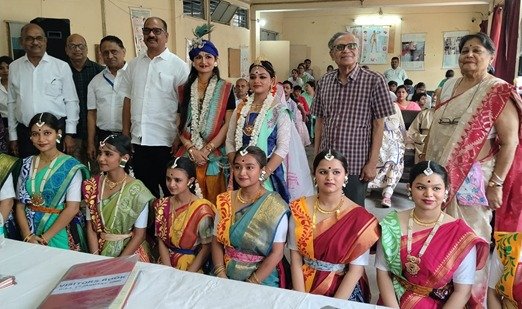
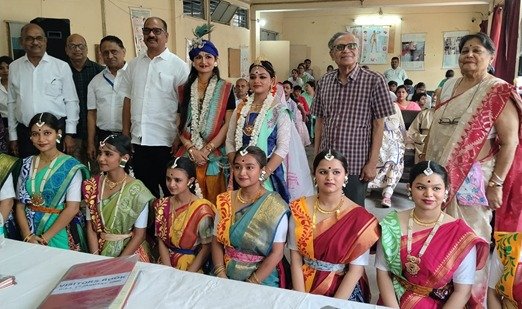
One of the most inspiring moments of the event was the cultural showcase by specially-abled children from the Umang Centre at JIMARS. Their performances, including the welcome song ‘Abhinandan,’ reflected not only their talent but also the spirit of inclusivity that the institute stands for. These children are not just participants but key stakeholders in the vision of the meditation park. Their presence reinforced the message that disability is not a limitation but a different expression of ability.
In his keynote address, Shri Praveen Patel spoke about the relevance of Dr. B.R. Ambedkar’s vision of social justice and equality in today’s society. He also highlighted the timeless teachings of Lord Buddha, emphasizing the role of peace, mindfulness, and compassion in human life. He appreciated the efforts of JIMARS in taking such an innovative step and acknowledged the need for continued support from both the government and society to make such initiatives successful.
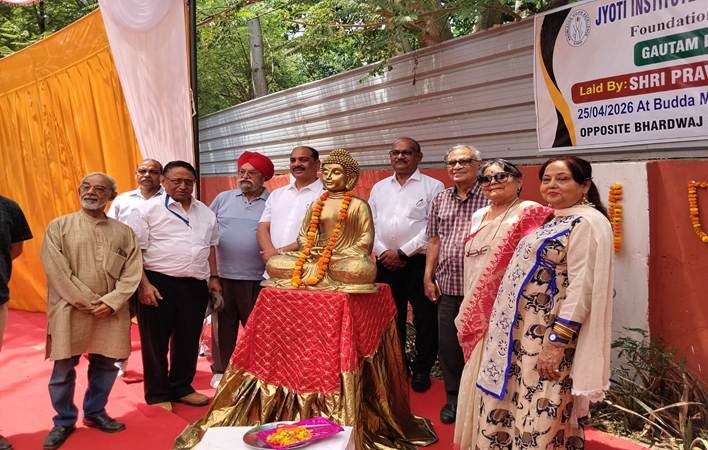
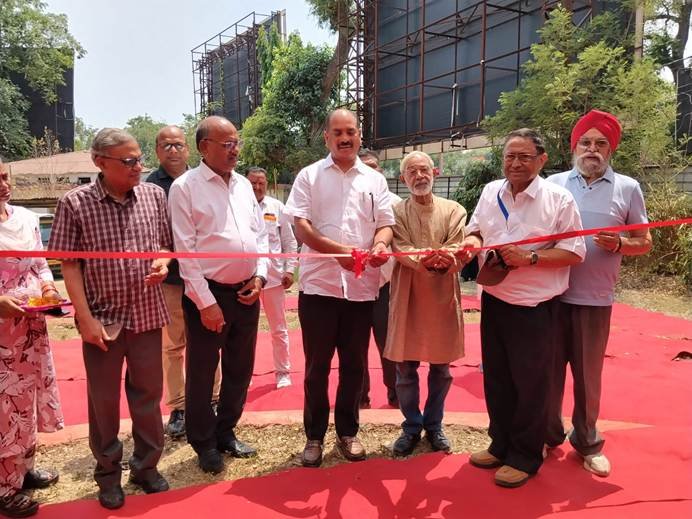
Following the formal addresses, the Chief Guest was escorted to the designated site within the JIMARS campus, where he performed the ceremonial ribbon-cutting and officially laid the foundation stone of the Gautam Buddha Meditation Park. This marked the beginning of a project that is expected to become a landmark in Prayagraj, not only for its medical significance but also for its contribution to community well-being.
The event concluded with a vote of thanks delivered by Shri R.C. Agrawal, who expressed gratitude to all dignitaries, participants, and organizers for making the event successful. The program was smoothly conducted by Dr. Neera Banerji, Academic In-charge at JIMARS, whose efforts ensured that the ceremony was both meaningful and well-organized.
The Gautam Buddha Meditation Park is expected to serve as a unique model of healthcare innovation in Uttar Pradesh. It will function as both a healing space for patients and a learning environment for students and professionals in the field of rehabilitation sciences. The park also aims to become a community space that promotes mindfulness, environmental awareness, and social harmony.
As cities continue to expand and lifestyles become more stressful, the need for such holistic spaces becomes increasingly important. The initiative by JIMARS highlights the role of institutions in not just treating diseases but also in promoting overall well-being and quality of life. By combining nature, meditation, and medical science, the meditation park represents a new direction in healthcare—one that prioritizes human dignity, emotional balance, and sustainable healing.
This project also strengthens Prayagraj’s identity as a city that values both tradition and progress. The integration of spiritual philosophy with scientific advancement reflects a balanced approach that is deeply rooted in Indian culture while being relevant to modern needs.
With this initiative, JIMARS continues to uphold its core values of knowledge, excellence, care, and hope. The Gautam Buddha Meditation Park stands as a symbol of compassion, innovation, and inclusivity—offering a vision of healthcare that is not only effective but also humane and transformative.

