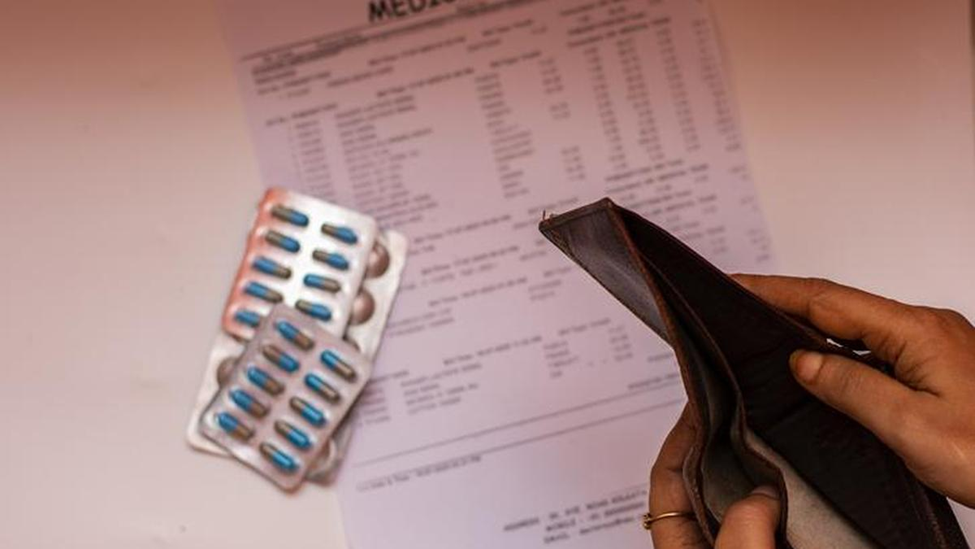
Cancer treatment in India has long been associated with high costs, particularly due to the expensive medicines required during therapy. In a significant move aimed at reducing the financial burden on patients, the Government of India has announced the removal of basic customs duty on several critical cancer drugs. The decision, introduced as part of the Union Budget 2026-27, is expected to make advanced treatments more affordable and accessible for thousands of patients across the country.
The policy primarily focuses on reducing the cost of imported oncology medicines. Many modern cancer therapies rely on highly specialised drugs that are developed by global pharmaceutical companies and imported into India. These medicines previously attracted customs duties, which increased their final retail price and made them difficult to afford for many families. By removing these duties, the government aims to bring down the cost of treatment and improve access to life-saving therapies.
According to policy announcements, the government has exempted 17 critical cancer drugs from basic customs duty in order to provide financial relief to patients undergoing treatment. These medicines include a range of targeted therapies, immunotherapies and advanced treatment drugs used in managing complex forms of cancer such as breast cancer, lung cancer, leukemia and melanoma.
Targeted therapies and immunotherapy drugs represent some of the most important breakthroughs in modern oncology. Unlike traditional chemotherapy, these medicines are designed to attack cancer cells more precisely or help the immune system fight the disease. Drugs such as Ribociclib, Abemaciclib, Venetoclax and Ibrutinib are widely used for treating specific types of cancers by blocking the proteins responsible for tumour growth.
However, these advanced treatments are also among the most expensive. In many cases, the cost of therapy can run into several lakhs of rupees per cycle, placing enormous financial pressure on patients and their families. Medical experts say that high treatment costs often force patients to discontinue therapy midway, which can significantly affect recovery outcomes.
By eliminating customs duty on these medicines, the government intends to reduce the final cost of imported drugs. While the exact price reduction may vary depending on the medicine and supply chain factors, experts believe that even a moderate reduction in prices can make a substantial difference for patients who require long-term treatment.
Healthcare professionals and industry leaders have welcomed the move as a positive step toward improving cancer care in India. Doctors have highlighted that lowering the cost of medicines can help more patients complete their treatment cycles and improve survival rates.
Another important aspect of the policy is its potential impact on healthcare accessibility. India has witnessed a steady rise in cancer cases over the past two decades, making it one of the country’s major public health challenges. Treatment costs often account for the largest portion of out-of-pocket healthcare expenditure, particularly in cases where insurance coverage is limited or unavailable.
Studies have shown that medicines alone can represent more than 60 percent of cancer treatment expenses for many patients. When expensive imported drugs are required, the overall cost can increase significantly. In such situations, duty exemptions can help reduce the financial burden and improve treatment continuity.
The decision also reflects the government’s broader strategy to strengthen the healthcare system and improve access to advanced medical therapies. Over the past few years, India has taken several steps to expand healthcare coverage, promote domestic pharmaceutical manufacturing and improve the availability of life-saving medicines.
The removal of customs duty on cancer drugs is part of a larger effort to balance innovation with affordability. While global pharmaceutical companies continue to develop new therapies, governments around the world are exploring ways to ensure that patients can access these treatments without facing overwhelming financial stress.
Another potential benefit of the duty exemption is that hospitals and healthcare providers may be able to adopt advanced therapies more widely. As medicine prices become more affordable, doctors can recommend newer treatment options to a larger number of patients.
At the same time, experts emphasize that reducing medicine costs alone cannot solve all challenges related to cancer care. A comprehensive approach is required, including early detection programmes, expanded healthcare infrastructure and stronger insurance coverage.
Cancer treatment is a long and complex process that involves multiple stages such as diagnosis, surgery, chemotherapy, radiation therapy and long-term monitoring. While drug affordability plays a major role, improvements in hospital facilities, specialist availability and diagnostic services are equally important for improving patient outcomes.
Nevertheless, the duty exemption represents a significant policy intervention that directly addresses one of the most pressing concerns faced by cancer patients — the cost of medicines.
By making life-saving drugs more affordable, the government’s initiative is expected to support thousands of families across the country who are struggling with the financial impact of cancer treatment.
As healthcare policies continue to evolve, measures that focus on affordability, accessibility and innovation will play a key role in shaping the future of cancer care in India.
For more updates regarding business, healthcare and policy related news, follow newsnownation.com.
