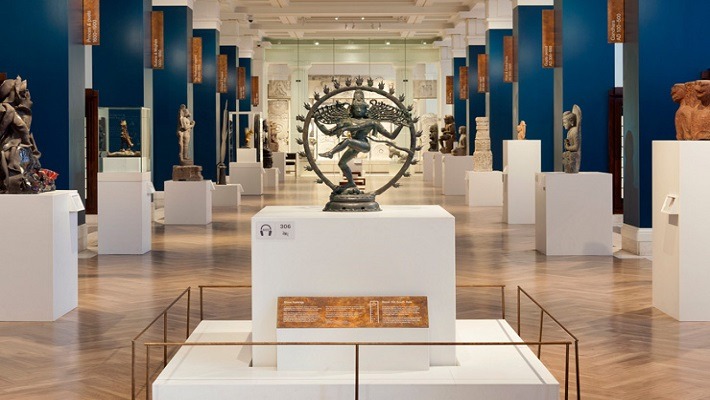
Embark on a cultural odyssey through the British Museum‘s stunning collection of Indian artifacts. Explore the rich history of the Koh-i-Noor Diamond, delve into the ancient Indian epics Ramayana and Mahabharata, and marvel at Buddhist art and Mughal miniature paintings. Discover the cultural significance and colonial history of these priceless treasures from India. Uncover the legacy of Tipu Sultan and the unique blend of art in Gandharan artifacts. Explore the past through these captivating historical artifacts at the British Museum.
Nestled in the heart of London, the British Museum is a treasure trove of world history and culture. Among its vast collection, some of the most valuable and historically significant artifacts are those from the Indian subcontinent. These priceless Indian artifacts not only showcase the rich and diverse heritage of India but also shed light on the complex relationship between Britain and its former colony. In this blog, we will take you on a journey through the British Museum’s collection of Indian artifacts, shedding light on their historical significance and cultural importance.
1. Koh-i-Noor Diamond
The Koh-i-Noor Diamond, meaning “Mountain of Light,” is one of the most famous diamonds in the world and is steeped in history and controversy. This precious gem is believed to have been mined in India and eventually came into British possession in the mid-19th century. It now resides in the British Crown Jewels collection. The British Museum houses drawings and artifacts related to the diamond, shedding light on its tumultuous journey through history.
2. Ramayana and Mahabharata Scrolls
The British Museum is home to a collection of ancient scrolls and manuscripts that narrate the epic stories of the Ramayana and Mahabharata. These beautifully illustrated scrolls provide insights into India’s rich literary and artistic traditions. The detailed depictions of these epics offer a glimpse into the moral, cultural, and social values of ancient India.
3. Buddhist Artifacts
India played a pivotal role in the spread of Buddhism, and the British Museum boasts an impressive collection of Buddhist artifacts. From intricate sculptures of Buddha to ancient stupas and manuscripts, these Indian Buddhist Art in British Museum artifacts reflect the spiritual and artistic contributions of India to the world.
4. Mughal Miniatures
The Mughal Empire left an indelible mark on Indian art and culture, and the famous Mughal miniature paintings are a testament to their artistic prowess. The British Museum houses a remarkable collection of Mughal miniature paintings that depict scenes from court life, mythology, and history. These delicate and exquisite artworks provide a window into the opulence and refinement of Mughal society.
5. Gandharan Art
Gandhara, located in modern-day Pakistan and Afghanistan, was a region where Indian and Greco-Roman influences melded to create a unique artistic tradition. The Gandharan Artifacts in British Museum includes intricately carved sculptures and reliefs that highlight the cross-cultural exchange of ideas and artistic styles.
6. Tipu Sultan’s Artifacts
Tipu Sultan, the ruler of the Kingdom of Mysore, played a significant role in resisting British colonialism in India. The British Museum houses a selection of artifacts from Tipu Sultan’s court, including his famous sword and tiger-striped throne. These items offer a glimpse into the history of colonial India and the resistance against British rule.
Conclusion
Exploring the priceless Indian artifacts in the British Museum is not just a journey through India’s rich history and culture but also an opportunity to reflect on the complex colonial past that brought many of these treasures to London. These artifacts continue to serve as a bridge between two nations, connecting people across time and space and reminding us of the importance of preserving and appreciating our shared heritage. The British Museum’s collection is a testament to the enduring legacy of India and its contributions to the world.

