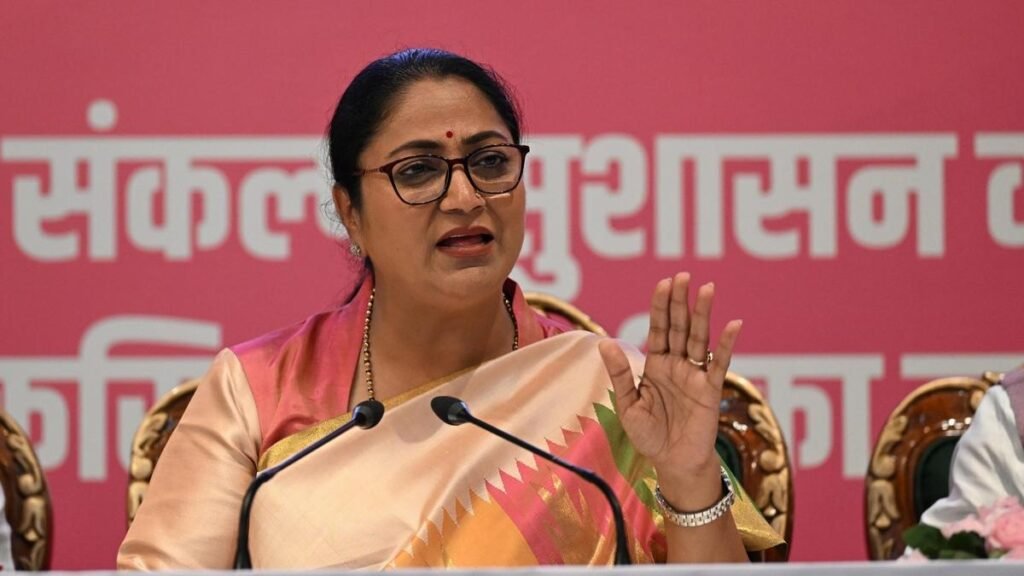
Delhi has witnessed a significant political development as the ruling Aam Aadmi Party (AAP) faced a major electoral setback. The election outcome reflects a decisive shift in public sentiment, with voters choosing change after years of AAP governance in the national capital. The Chief Minister acknowledged the verdict, stating that the results represent the will of the people and must be respected in the spirit of democracy.
The election results have sparked widespread political discussion, with analysts interpreting the outcome as a reflection of growing public expectations regarding governance, service delivery, and accountability. Over the years, AAP had built its political identity around education, healthcare, subsidized utilities, and welfare schemes. However, the latest mandate suggests that a section of voters was looking for improvements in other areas such as infrastructure, civic management, law and order coordination, and administrative efficiency.
In his response, the Chief Minister stated that the people of Delhi had delivered their judgment and that the party accepts the outcome with humility. He emphasized that elections are an essential part of democratic functioning and that public feedback, whether positive or negative, helps political parties reassess their approach and priorities. He also thanked party workers and supporters for their efforts and assured that the party would continue to serve the people.
Political observers believe that voter turnout patterns and ground-level concerns played an important role in shaping the results. Issues such as urban congestion, pollution, water supply challenges in certain areas, and civic maintenance were repeatedly highlighted during the campaign period. At the same time, opposition parties focused their messaging on governance transparency and administrative coordination with central agencies.
The election outcome is also being seen as a reminder of the dynamic nature of urban politics. Delhi’s electorate is known for making decisive choices based on performance and immediate civic concerns. Unlike traditional political strongholds, voter loyalty in the capital often shifts depending on how effectively governments address everyday urban challenges.
For the incoming leadership, the mandate brings both opportunity and responsibility. Public expectations are high, particularly in areas such as infrastructure upgrades, waste management, traffic solutions, pollution control, and improved municipal services. Citizens will be closely watching how quickly the new administration translates its promises into visible action.
At the same time, the results carry important lessons for AAP as a political organization. Analysts suggest that the party may now focus on rebuilding its grassroots engagement, strengthening local communication, and addressing gaps identified during the campaign. Political transitions often provide parties with an opportunity to reorganize and reconnect with voters at the community level.
The broader significance of the election lies in the strength of democratic participation. The peaceful conduct of the electoral process and the acceptance of the results underline the maturity of Delhi’s political environment. Voters have once again demonstrated that governance performance and public perception play a decisive role in shaping political outcomes.
As Delhi enters a new political phase, the focus will now shift from electoral competition to governance delivery. The coming months will be crucial in determining how effectively the new leadership responds to citizen expectations and addresses long-standing urban challenges.
The verdict serves as a clear message that in a vibrant democracy like India, public trust remains the most important factor in political success. For all political parties, the lesson is clear—continuous engagement, transparent governance, and responsiveness to citizens’ needs are essential to maintain public confidence.
