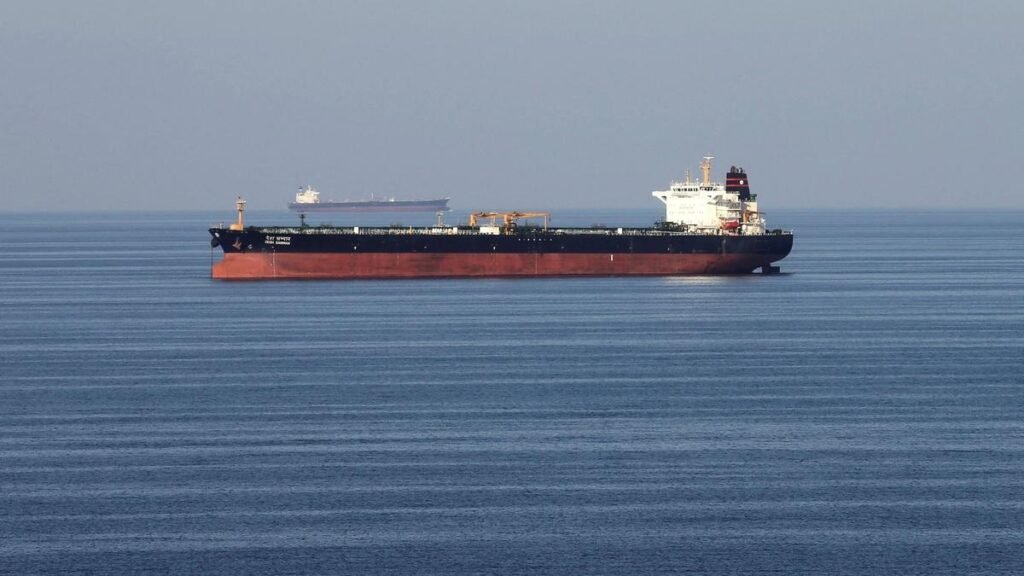
The strategic Strait of Hormuz , a critical maritime chokepoint through which a significant portion of the world’s crude oil supply transits, has once again become the focus of global economic concern. Heightened geopolitical tensions in the Middle East have sparked fears that disruption or closure of this narrow waterway could trigger sharp increases in global crude oil prices, with consequences that ripple across markets, industries, and national economies.
The Strait of Hormuz, located between Oman and Iran, serves as the gateway for oil exports from major producers in the Gulf Cooperation Council (GCC) region — including Saudi Arabia, the UAE, Kuwait, Qatar, and Iraq. According to energy analysts, as much as 20–30% of global seaborne crude oil supplies pass through this narrow passage. Its geographical significance means that any sustained disruption could tighten global oil supplies almost immediately.
In recent weeks, escalating hostilities between Iran and other regional actors have fueled speculation about potential threats to commercial shipping. Attacks on tanker traffic, missile launches near maritime routes, and heightened naval presence have all contributed to market jitters. The energy sector watches such developments closely because risk premiums are built into pricing mechanisms whenever a major transit route appears vulnerable. Even the prospect of reduced throughput through the Strait can influence futures contracts and crude benchmarks such as Brent and WTI.
Analysts note that markets often react to perception and expectation long before any physical supply disruption takes place. In recent trading sessions, crude futures have shown heightened volatility, with traders factoring in geopolitical risk. A sustained closure of the Strait could remove millions of barrels per day from global supply, tightening availability at a time when many economies are already navigating inflationary pressures and slower growth.
The potential economic impact extends beyond oil price increases. Higher crude prices usually translate into more expensive petroleum products such as gasoline, diesel, aviation fuel, and heating oil. For import-dependent countries, including India, Japan, and many European economies, this could worsen inflation and increase the cost of living. Governments often face pressure to intervene with subsidies or strategic reserves, but such measures can be costly and politically sensitive.
Beyond immediate price effects, the risk of disruption at Hormuz underscores the need for energy diversification and supply resilience. Many economies have already been investing in alternative energy sources — including renewables, electric mobility, and natural gas infrastructure — to reduce dependence on crude oil. However, for transportation-dependent sectors and petrochemical industries, liquid fuels remain essential, and abrupt supply shifts can undermine planning and investment forecasts.
In response to rising concerns, governments and industry bodies are closely monitoring developments and planning contingencies. Strategic petroleum reserves, bilateral supply agreements, and alternate shipping routes — such as around Africa’s Cape of Good Hope — are part of discussions, but they involve longer transit times and additional costs. That makes the Strait’s uninterrupted operation strategically important not just for crude transit but for overall global economic stability.
For energy markets, a key question remains whether heightened geopolitical rhetoric will translate into prolonged physical disruption. Analysts suggest that while short-term price spikes are possible and likely, long-term closures would require sustained conflicts or escalations — scenarios that many diplomatic actors, including the United States, China, and EU nations, are actively trying to avoid through back-channel engagement and international pressure.
Importantly, the markets are also influenced by economic fundamentals . OPEC+ production decisions, inventory levels, refinery utilization rates, and demand forecasts from major consumer markets like China and the United States all play significant roles in price formation. Therefore, while geopolitical shocks at Hormuz are headline drivers, they interact with broader macroeconomic forces that ultimately determine price trajectories.
From a policy perspective, the situation highlights how geopolitics and energy markets are inseparably linked in an interconnected global economy. For policymakers, balancing diplomatic engagement with market stability becomes as important as domestic inflation control. For corporations — particularly those with exposure to fuel costs — planning for volatility through hedging or diversification strategies is essential in preserving operational stability.
As global leaders prepare for potential fallout, the message for markets and policymakers alike is clear: resilience and strategic foresight are as critical as ever. The Strait of Hormuz may be a geographical chokepoint, but the economic consequences of its disruption demonstrate how tightly energy security is woven into the fabric of global economic health.
