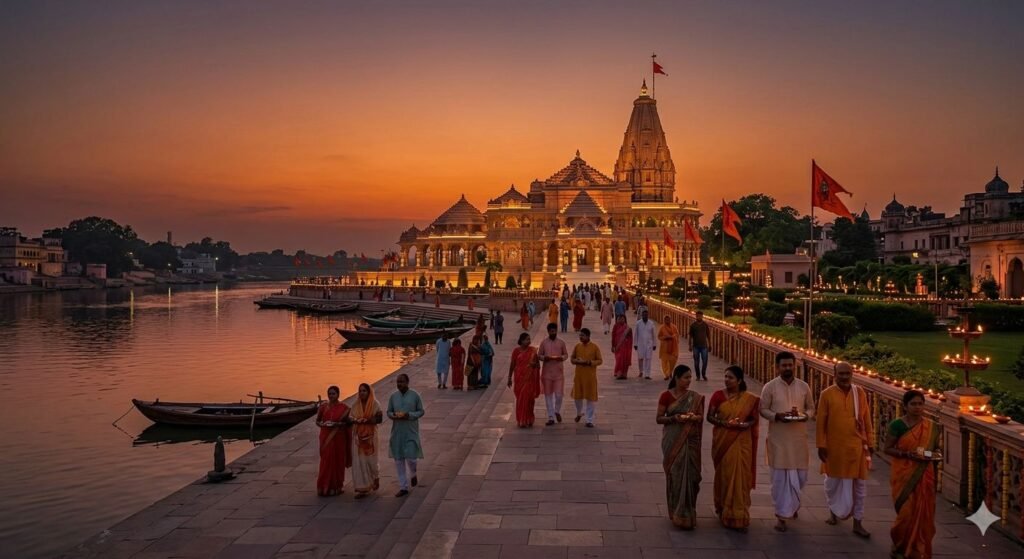
India’s spiritual tourism sector is undergoing a sharp transformation, and Ayodhya is at the center of this surge. With record-breaking footfall following the Ram Mandir inauguration, a new wave of organized travel services is reshaping how pilgrims plan their visits. Among the emerging platforms, Ayodhya Dekho is positioning itself as a structured, digital-first solution aimed at simplifying travel logistics for visitors arriving from across India.
The rise in Ayodhya tourism, Ram Mandir visits, and religious travel demand has created a parallel demand for reliable local services. Industry observers note that while spiritual intent remains strong, travelers increasingly expect clarity in bookings, transparent pricing, and guided experiences. This shift is pushing traditional pilgrimage systems toward digital integration.
Rising Footfall and the Need for Structured Travel
Ayodhya has seen unprecedented growth in tourist arrivals, especially in the months following the Ram Mandir opening. According to tourism trend estimates and regional travel data, millions of pilgrims are now visiting the city monthly, placing pressure on local infrastructure.
Travel operators and analysts highlight key challenges faced by visitors:
- Unstructured transport options
- Lack of verified local guidance
- Difficulty in planning temple visits and aarti schedules
- Pricing inconsistencies across services
This gap between demand and organized supply has opened opportunities for platforms that can standardize the experience.
Ayodhya Dekho’s Model: Local + Digital Integration
Ayodhya Dekho operates on a hybrid model combining local expertise with structured digital coordination. The platform offers end-to-end services including local sightseeing, airport and railway transfers, hotel booking assistance, and guided temple tours.
The focus remains on creating a seamless experience around key destinations such as Ram Mandir, Hanuman Garhi, Kanak Bhawan, and Saryu Ghat. Industry insiders say such bundled offerings are becoming critical as pilgrims prefer pre-planned itineraries over on-ground arrangements.
The platform also provides multiple vehicle options including Dzire, Ertiga, Innova, and Tempo Traveller, catering to both individual travelers and group yatras. Custom travel packages for one-day and multi-day visits are gaining traction, particularly among family groups and senior citizens.
Digital Discovery and Search Trends
Search trends across platforms indicate a sharp rise in keywords such as Ayodhya tour package, Ram Mandir darshan booking, Ayodhya travel guide, and Ayodhya taxi service. This reflects a broader behavioral shift where pilgrims are turning to Google and social platforms for planning rather than relying solely on local agents.
Experts in digital tourism marketing suggest that businesses optimizing for Google Maps, local SEO, and structured content are seeing higher enquiry volumes. The ability to appear in hyperlocal searches is now a decisive factor in lead generation within the religious tourism segment.
Expansion Beyond Ayodhya
Ayodhya Dekho has also indicated plans to extend services to other major pilgrimage destinations including Prayagraj, Varanasi, Vrindavan, and Chitrakoot. This aligns with the growing trend of circuit-based religious tourism, where travelers prefer covering multiple spiritual destinations in a single journey.
Market analysts believe that the next phase of growth in India’s tourism sector will be driven by such integrated travel circuits supported by digital platforms.
What This Means for India’s Travel Ecosystem
The evolution of platforms like Ayodhya Dekho signals a larger shift in India’s tourism economy. Spiritual travel, once considered unorganized, is rapidly aligning with modern expectations of convenience, transparency, and reliability.
For local economies, this transformation brings opportunities for job creation, better service standards, and scalable business models. For travelers, it ensures a more predictable and comfortable pilgrimage experience.
As India continues to invest in religious infrastructure and connectivity, the role of structured digital platforms is expected to grow significantly. Ayodhya’s model may well become a blueprint for other pilgrimage destinations across the country.
For bookings and enquiries, Ayodhya Dekho can be reached at +91 72350 60009.
Conclusion
The convergence of faith and technology is redefining how India travels for spirituality. With Ayodhya emerging as a national focal point, platforms that bring structure, trust, and digital accessibility are likely to lead the next phase of tourism growth.
