Introduction
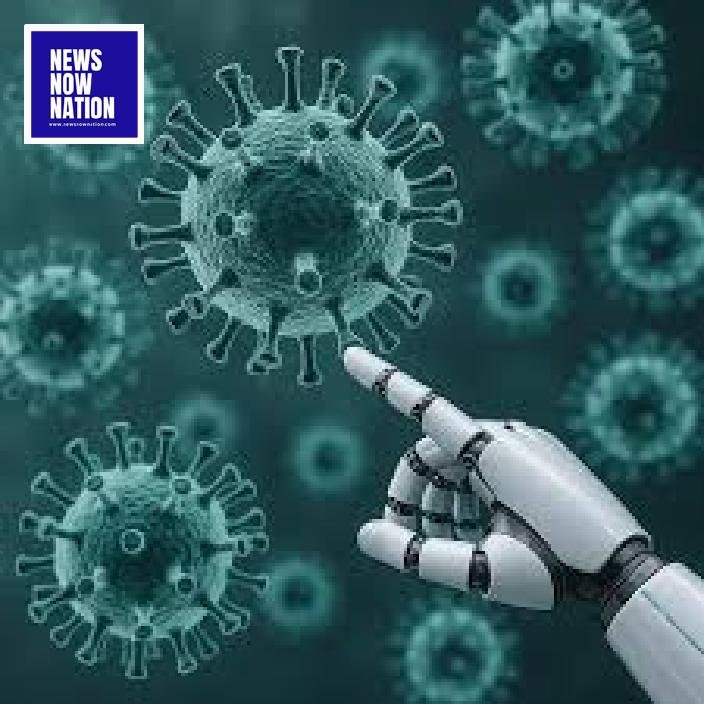
In a groundbreaking development, Stanford University researchers have successfully used Artificial Intelligence (AI) to design viral genomes. Some of these AI-generated viruses were found to be capable of infecting bacteria, marking a significant leap in synthetic biology and virology research. This discovery has gone viral across global science communities, sparking excitement about its potential applications while also raising important biosecurity concerns.
AI in Synthetic Biology: What the Study Means
Traditionally, creating and studying viruses required years of laboratory experiments. However, with AI, researchers can now:
Design viral structures digitally
Simulate interactions with bacteria and hosts
Accelerate drug and vaccine research
This could revolutionize biotechnology, medicine, and genetic research, allowing scientists to quickly explore new treatments for bacterial infections and advance our understanding of viral evolution.
Positive Applications of AI-Generated Viruses
Despite concerns, this study has many positive implications for the future of healthcare and science:
Drug Development – AI-designed viral models could help test new antibiotics and antivirals faster.
Medical Research – Provides deeper insight into how viruses evolve and adapt, improving global health preparedness.
Biotech Innovation – Opens doors to new biomanufacturing techniques using engineered viruses for agriculture, environment, and medicine.
Safety & Biosecurity Concerns
The study also highlights the ethical and security challenges of this technology:
Risk of misuse in creating harmful viral strains.
Need for strict regulations and monitoring in AI-powered biology.
Importance of responsible innovation to balance progress with safety.
Stanford researchers emphasize that while AI can speed up scientific discovery, global guidelines must ensure it is used only for positive and ethical purposes.
Why This Matters Globally
This viral news has caught the attention of scientists, governments, and biotech industries worldwide. It represents:
A new era in AI-biology collaboration.
The potential to fight future pandemics more effectively.
The reminder that innovation must always go hand-in-hand with responsibility and regulation.
Conclusion
The Stanford AI virus design study is a milestone that demonstrates both the power and risks of artificial intelligence in biology. While it paves the way for incredible medical and scientific breakthroughs, it also challenges humanity to ensure AI is used safely, ethically, and for the greater good.
As the world watches this story go viral, one thing is clear: AI is no longer just shaping our digital world—it is now rewriting the code of life itself.
-Author: Alfiyan Ahmad

