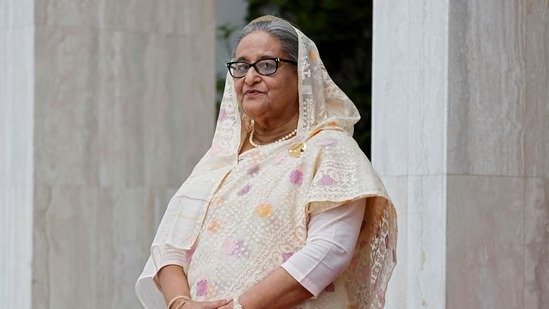
Bangladesh’s political landscape has entered a decisive and uncertain phase following the return of the Bangladesh Nationalist Party (BNP) to power, raising pressing questions about the future of former Prime Minister Sheikh Hasina. With her currently staying in Delhi, attention has shifted to the legal, political and diplomatic implications of her position amid calls from sections of the new establishment to review her status.
Sheikh Hasina, who dominated Bangladeshi politics for over a decade, left Dhaka amid growing political unrest and mounting pressure from opposition forces. Her relocation to India has since become a focal point of debate, especially as the BNP consolidates authority and signals a reassessment of cases linked to the previous administration.
Senior political observers in Dhaka suggest that the BNP’s return marks a significant departure from the governance style of the Awami League era. The new leadership faces pressure from its support base to pursue accountability, particularly over allegations of political suppression, corruption, and rights violations during Hasina’s tenure. While no formal extradition request has been confirmed so far, the issue is increasingly being discussed within political and legal circles.
India, which has historically shared close ties with Sheikh Hasina’s government, now finds itself navigating a delicate diplomatic situation. Officials in New Delhi are said to be monitoring developments closely, balancing legal frameworks with broader regional stability concerns. Any formal extradition request would involve complex legal procedures and diplomatic negotiations, making immediate action unlikely.
Experts point out that the situation could also impact India-Bangladesh relations, which have seen steady cooperation in areas such as trade, security and connectivity in recent years. A shift in Dhaka’s political leadership may lead to a recalibration of bilateral priorities, though both sides are expected to avoid abrupt disruptions.
Meanwhile, Sheikh Hasina’s political future remains uncertain. Analysts note that her options depend on how aggressively the BNP pursues legal action and how international stakeholders respond. For now, her stay in Delhi places her at the center of a rapidly evolving geopolitical and legal conversation.
As Bangladesh charts its next course, the unfolding developments around Sheikh Hasina will be closely watched across South Asia, carrying implications not only for domestic politics but also for regional diplomacy and stability.
