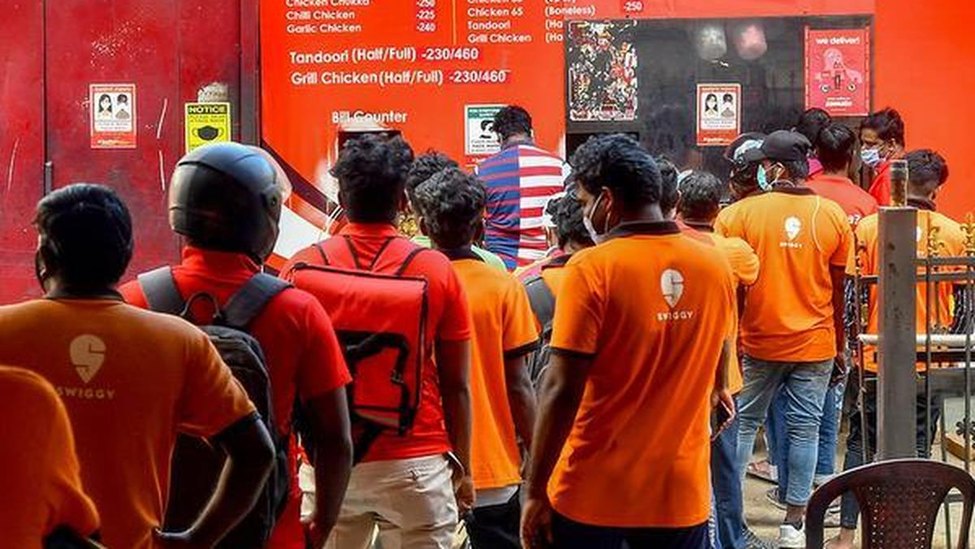
The rapid expansion of the gig economy has transformed employment patterns across India, particularly in sectors such as food delivery, ride-hailing, logistics and digital services. As millions of workers increasingly rely on app-based platforms for their livelihoods, policymakers are examining how labour laws and social welfare systems should adapt to this evolving workforce. In this context, the Tamil Nadu State Planning Commission has recommended stronger legal protection and social security measures for gig and platform workers in the state.
The recommendation highlights the growing importance of ensuring fair working conditions, economic security and legal recognition for workers engaged in the gig economy.
Rising Importance of the Gig Economy
Gig workers typically operate outside the traditional employer–employee relationship. They provide services through digital platforms or short-term contracts and are usually classified as independent contractors rather than employees. This structure allows companies to scale their services quickly while offering workers flexibility in choosing working hours.
However, the absence of formal employment contracts often leaves gig workers without benefits such as minimum wages, health insurance, paid leave or retirement savings.
India’s labour reforms have begun acknowledging this emerging workforce. The Code on Social Security formally defines gig and platform workers and lays the groundwork for extending social protection schemes to them.
Tamil Nadu’s Call for Stronger Legal Framework
The Tamil Nadu State Planning Commission has suggested that gig workers should receive legal protection that guarantees basic labour rights and access to welfare benefits. The commission’s proposal aims to ensure that workers who contribute significantly to the digital economy are not left without safety nets.
Experts associated with the commission have emphasized that while gig platforms provide employment opportunities to a large number of people, regulatory safeguards are essential to protect workers from income instability and occupational risks.
The commission has recommended a comprehensive framework that could include insurance coverage, health benefits, accident compensation and retirement savings options.
Social Security for Platform Workers
Social security remains one of the most critical concerns for gig workers. Many workers engaged in delivery or transport services face daily risks such as road accidents, income fluctuations and lack of job stability.
Governments across India have started exploring welfare schemes specifically designed for gig workers. In Tamil Nadu, previous initiatives have included proposals for accident insurance coverage and financial support schemes aimed at improving worker welfare.
Such initiatives aim to provide a safety net for workers who often lack access to traditional labour protections.
In addition to insurance, policymakers are also considering measures that could provide financial support during illness, disability or unemployment.
Addressing Challenges in the Gig Workforce
Despite the growing importance of gig work, several structural challenges continue to affect workers in the sector.
One major issue is the lack of clear employment classification. Because gig workers are treated as independent contractors rather than employees, they often fall outside the scope of traditional labour regulations.
Another challenge is the absence of reliable data on the gig workforce. Many labour surveys categorize gig workers under broad groups such as self-employed or casual labour, making it difficult to design targeted welfare policies.
Experts believe that better data collection and worker registration systems could help governments design more effective support programs.
Potential Policy Solutions
The recommendations by the Tamil Nadu State Planning Commission reflect a broader policy debate taking place across the country.
Some of the key policy options being discussed include:
- Establishing dedicated welfare boards for gig workers
- Mandatory registration of workers on national databases
- Contributions from digital platforms to social security funds
- Accident insurance and healthcare benefits
- Income protection mechanisms during emergencies
The idea of platform companies contributing to social security funds has gained support among labour experts. In many policy discussions, aggregators are expected to contribute a small percentage of their annual turnover to support welfare programs for gig workers.
Importance of Inclusive Labour Policies
Ensuring social security for gig workers is not only a labour welfare issue but also an economic priority. As the gig economy expands, millions of workers depend on digital platforms for income.
Industry analysts estimate that India’s gig workforce could reach tens of millions within the next decade, making it a significant component of the country’s labour market.
Without proper regulations, however, workers may face long-term financial insecurity, which can affect productivity and economic stability.
Providing legal protection and social security benefits can help create a more balanced relationship between digital platforms and workers while ensuring sustainable growth in the gig economy.
Future Outlook
The recommendations by the Tamil Nadu State Planning Commission highlight the need for modern labour policies that reflect the realities of the digital economy.
As app-based services continue to expand in sectors such as logistics, transportation, healthcare and freelance work, governments will increasingly need to develop frameworks that protect workers while supporting innovation.
If implemented effectively, stronger labour protections could improve working conditions, enhance job security and ensure long-term economic stability for millions of gig workers across India.
Follow for more updates regarding business related news in newsnownation.com.
