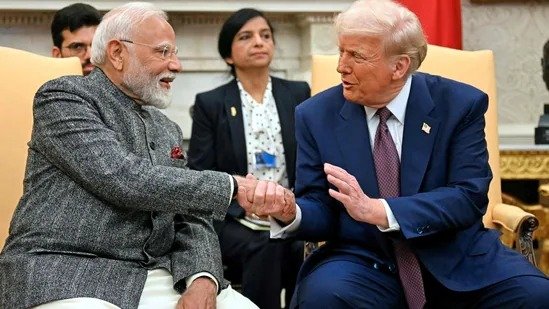
India’s Ministry of External Affairs (MEA) has clarified that recent amendments made to the official factsheet on the India-United States trade deal reflect a mutually agreed understanding between the two nations, amid ongoing negotiations on a broader bilateral trade framework. The statement from the MEA comes amid reports of significant changes to the document initially released by the White House, prompting debate over the direction and terms of the interim agreement.
The factsheet, issued by the U.S. administration following high-level discussions between Indian and American leaders, was intended to outline the key components of the proposed trade arrangement. However, within 24 hours of its release, several elements of the factsheet were altered or softened — including the removal of references to specific agricultural products such as pulses and changes in language around commitments to purchase U.S. goods valued at up to $500 billion. Observers interpreted these revisions as adjustments made in response to Indian concerns over sensitive sectors and domestic priorities.
In its official response, the MEA emphasised that the changes were not unilateral but instead reflected a shared understanding reached through ongoing dialogue. The ministry underscored that trade negotiations are dynamic processes, and that factsheets serve as interim summaries rather than binding legal agreements. New Delhi reiterated its commitment to safeguarding national interests while pursuing opportunities to deepen economic cooperation with the United States.
Trade experts say the revisions highlight the complexity of negotiating trade terms between the world’s two largest democracies, each with its own strategic priorities. India has been particularly sensitive to protecting its agricultural sector and digital taxation policies, which were reportedly focal points during consultations that led to adjustments in the U.S. factsheet. Analysts also note that language changes in official documents can signal both diplomatic compromise and tactical retreat ahead of a more formalised legal pact.
The broader India-US trade framework, initially announced amid optimism over bilateral economic ties, aims to reduce tariffs on a range of industrial and agricultural goods while addressing non-tariff barriers and regulatory standards. A final legal agreement is being targeted for completion by the end of March, according to Indian commerce officials.
While political discourse in India has become increasingly vocal regarding the deal’s implications — including protests by farmers’ groups and criticism from opposition parties — the government maintains that the revisions demonstrate responsiveness to legitimate domestic concerns without derailing the overall process of strengthening trade relations.
Stay connected with NewsNowNation for ongoing coverage and expert insights into this developing story and its implications for India’s economy and global trade relations.
