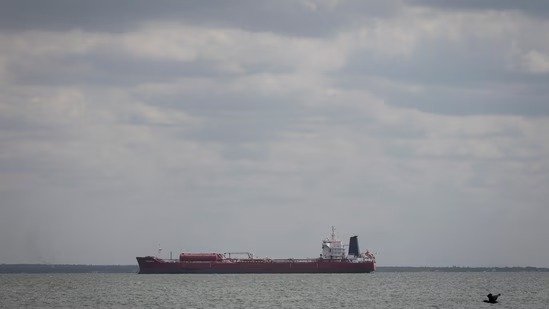
In a significant enforcement action, Indian maritime authorities have detained several tanker ships linked to Iran and subject to United States sanctions off the coast of Mumbai, according to officials involved in the operation. The seizures — which targeted vessels allegedly operating under layers of opaque ownership to evade global sanction regimes — highlight India’s growing engagement with international compliance measures and regulatory enforcement in its territorial waters.
The tanker detentions unfolded after intelligence and maritime monitoring units identified a cluster of vessels whose ownership and operational documentation raised red flags related to US sanctions lists. While no official statement has been made regarding the identities of the shipping firms or individuals tied to the vessels, multiple sources suggest the ships were part of a network used to shuttle sanctioned crude and oil products, raising concerns among enforcement agencies about possible sanctions circumvention.
Authorities say the tankers were intercepted as they approached Indian ports near Mumbai and subsequently instructed to anchor under the jurisdiction of Indian maritime law. The operation involved coordination between the Indian Coast Guard, Directorate General of Shipping, and other compliance bodies tasked with ensuring maritime security and penal code adherence. Legal teams are now engaged to verify documentation, ownership chains, and sanction compliance violations.
Officials emphasised that the detentions were conducted in accordance with established legal frameworks, including international maritime law and India’s obligations under global sanction coordination agreements. While India does not have a direct sanctions regime identical to that of the United States, it has increasingly aligned certain enforcement mechanisms to disrupt activities that could undermine global financial and security mandates.
The seizure of these tankers reflects broader efforts to tighten regulatory oversight over maritime trade, particularly as geopolitical tensions have intensified in recent years. Iran, which has long faced sanctions from the US and other Western states over its nuclear programme and regional activities, has seen Iranian-linked shipping entities target alternative markets through complex ownership and flag structures. Compliance agencies within India and abroad have been tracking such movements to prevent illicit activity and uphold transparency in international trade.
Maritime security analysts believe this action sends a clear signal to global shipping stakeholders that Indian waters will not be used as safe harbour for vessels attempting to circumvent sanctions or obscure chain of ownership for sensitive cargo. The detained tankers are expected to remain under government control while legal investigations assess the scope of any violations.
Some experts caution that the process of adjudication may take time, given the intricate nature of maritime law, multiple national jurisdictions involved, and the overlapping nature of sanction lists between different nations. India’s legal apparatus is now positioned to set a precedent in such cross-border regulatory enforcement, particularly in cases intertwined with international security and trade compliance.
Industry reactions have been mixed, with some shipping analysts applauding the decisive action as a necessary step for maritime governance, while others urge careful due process to ensure lawful treatment of the detentions and the rights of ship operators. At the diplomatic level, the seizures have sparked interest, with observers watching how this aligns with India’s broader foreign policy, especially in relation to the US and Middle Eastern nations.
The incident also underscores ongoing global tensions over energy supply chains, sanctions, and international trade governance. With crude and petrochemical shipments remaining vital to global markets, the interdiction of sanction-linked vessels is expected to impact discussions on how nations navigate enforcement without jeopardising legitimate commercial activity.
For continued updates and in-depth analysis on this developing story, visit NewsNowNation and follow our coverage for comprehensive reports on geopolitics, maritime security, and global trade compliance.
